
Tools
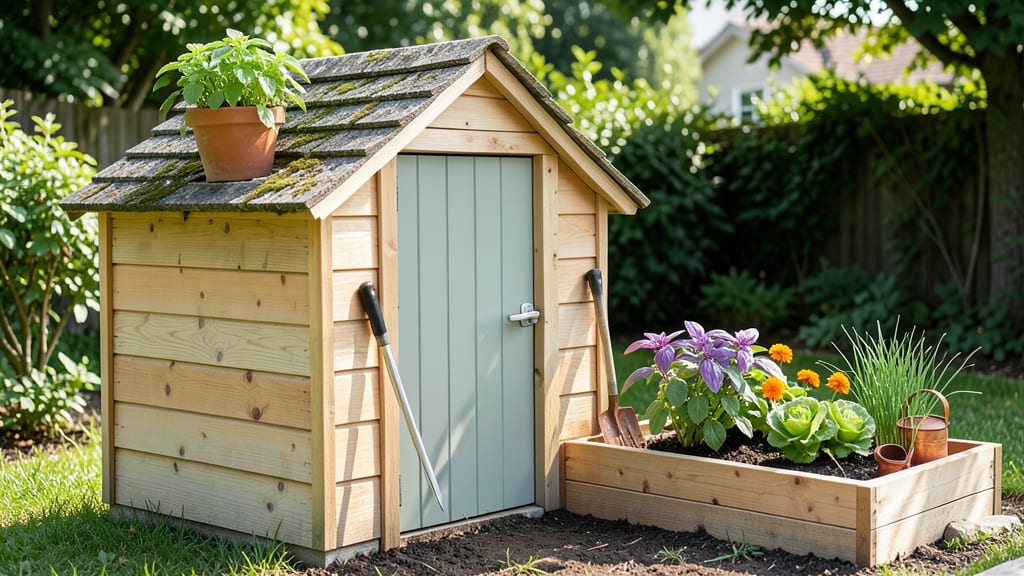
A 5 by 3 garden shed maximizes small yards with smart layouts like corner placement, vertical storage, or modular designs. Opt for a sturdy concrete slab or gravel foundation to ensure stability and longevity in tight spaces.
A 5 by 3 garden shed thrives in tight spaces when you prioritize functional design over square footage. 💫 Corner placement frees up yard space while keeping the shed accessible, and vertical storage solutions like pegboards or wall-mounted shelves multiply usable square footage without expanding the footprint.
For example, I've seen gardeners use the back wall for hanging tools and the side walls for deep shelving, creating a surprisingly organized workspace in just 15 square feet.
When it comes to foundations, concrete slabs offer the most durability but require professional installation, while gravel bases provide a budget-friendly DIY option that still prevents moisture damage.
The key is matching your foundation choice to your yard's drainage and soil conditions—something I always verify with a simple percolation test before breaking ground.
💡 In This Article
- Optimizing 5x3 Garden Shed Space for Storage and Workflow
- Best Foundation Choices for Small Garden Sheds
Optimizing 5x3 garden shed space for storage and workflow
A 5x3 garden shed (150 square feet) transforms into a highly functional workspace when you prioritize vertical space and strategic zoning. The key is maximizing the 8-foot walls—most sheds have 6-foot ceilings, so adding 2 feet of shelving on upper walls instantly doubles storage without expanding the footprint.
For example, a pegboard mounted at 54 inches (eye level) creates instant tool organization while keeping frequently used items accessible.
Workflow efficiency starts with door placement. A 3-foot wide double door (standard for 5x3 sheds) allows easy movement of wheelbarrows or large potting benches, but positioning it on the long side (5-foot wall) creates more interior space than a narrower door on the 3-foot end wall.
Adding a skylight (2x3 feet) over the workbench area floods the interior with natural light, reducing the need for artificial lighting and improving visibility for tasks like seed sorting or tool sharpening.
Ventilation is often overlooked but critical in small sheds. A roof vent (12x12 inches) combined with a soffit vent along the eaves creates a passive airflow system that prevents moisture buildup. This is especially important in humid climates where condensation on tools can lead to rust.
I've found that positioning vents on opposite walls (one high, one low) mimics a natural chimney effect, pulling stale air out while drawing fresh air in.
Interior layout should follow the "golden triangle" principle: place your most-used items (tools, watering cans) within a 3-foot radius of the entry door. This minimizes wasted steps when moving between tasks.
For example, a workbench (4x2 feet) against the back wall with a fold-down extension provides ample surface area for potting or repairs, while wall-mounted hooks above keep smaller tools within arm's reach.
The 3-foot depth of most 5x3 sheds actually works to your advantage here—it's wide enough for two people to work side-by-side but not so deep that tools get buried in the back.
Consider these storage solutions for vertical optimization:
- Upper shelves (60-72 inches): Store seasonal items like holiday decorations or extra potting soil bags
- Mid-level pegboard (48-54 inches): Hang tools by frequency of use with hooks or bins
- Lower cabinets (12-24 inches): Keep frequently used supplies (gloves, pruners) at waist height
- Ceiling space: Suspend lightweight items like bird feeders or garden hoses with S-hooks
The 3-foot width of your shed actually creates a perfect opportunity for a modular workstation. Many gardeners install a rolling cart (24x36 inches) that can be positioned near the door when needed but pushed against the wall to free up space.
This mobile approach works particularly well for tasks requiring extra surface area, like repotting large plants or organizing garden tools.