
Planting
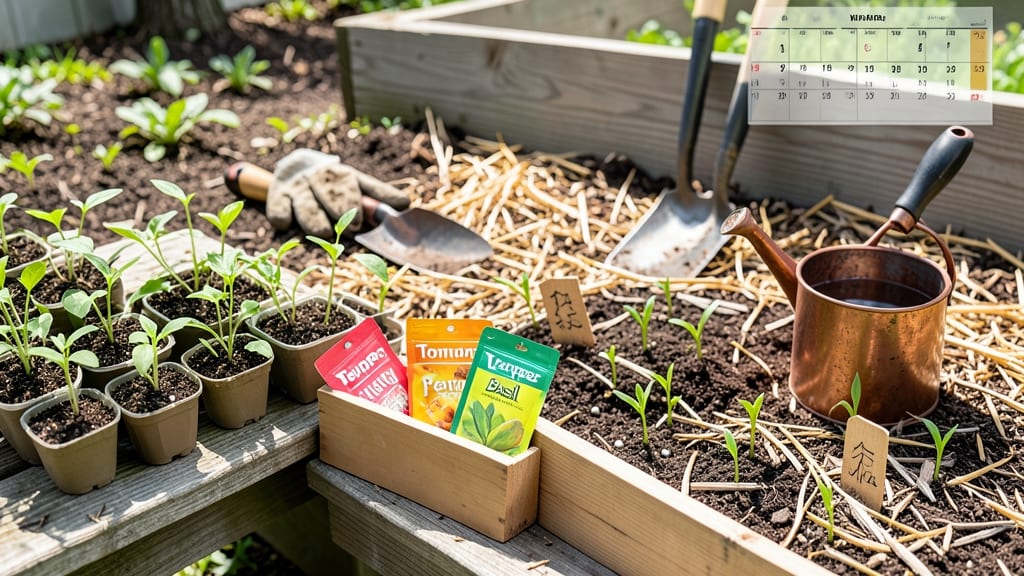
Planting your garden in Maryland at the right time means the difference between a bountiful harvest and a struggle against frost or pests.
Maryland’s diverse climate—from the humid Chesapeake Bay to the cooler Appalachian foothills—means your garden’s success hinges on planting at the perfect time. Get it wrong, and you’ll battle frost, pests, or stunted growth. But follow Maryland’s frost-free timeline, and you’ll harvest like a pro.
Most General Garden Vegetables/Flowers 🌱 thrive when planted after the last frost date, typically around April 15 in Maryland’s USDA Zones 7a-7b. However, cool-season crops like lettuce and spinach can go in as early as late February or early March, while warm-season favorites like tomatoes and peppers need to wait until after May 10 to avoid frost damage.
In this guide, you’ll discover the exact planting windows for your county, how to adjust for Maryland’s microclimates, and common mistakes to avoid—so you can enjoy a garden that grows strong and thrives all season long.
Maryland’s frost-free planting zones by county: exact dates for vegetables & flowers
Maryland’s last spring frost dates vary dramatically—from early April in Calvert County to late May in Garrett County. These differences mean your tomatoes might thrive in one region but fail in another.
Understanding your USDA Zone (6a–8a) and elevation adjustments is key to timing warm-season crops like peppers and cool-season greens like spinach perfectly.
Below, I’ve broken down 2023–2024 averages for Maryland’s 10 key counties, including ideal planting windows for vegetables and flowers. Use this as your guide to avoid frost damage and maximize harvests.
For example, Baltimore City gardeners can plant cucumbers by April 10, while Allegany County residents should wait until May 15.
🌱
For warm-season crops like squash and beans
How to adjust your planting schedule for Maryland’s microclimates (urban vs. rural)
Maryland’s urban heat islands—like Baltimore’s Inner Harbor—can warm 2–3 weeks earlier than Garrett County’s mountain valleys. This microclimate shift means your tomato seedlings might thrive in April downtown while still risking frost in rural areas. Understanding these differences lets you extend your growing season or protect delicate plants.
Urban areas absorb heat from pavement and buildings, creating warmer microclimates perfect for early warm-season crops like peppers and squash. Meanwhile, rural zones with higher elevations (like Frederick or Allegany counties) often face later last-frost dates, delaying planting by weeks.
Even within cities, windbreaks and row covers can shield gardens in colder pockets.
🌱 Maryland Microclimate Planting Adjustments
Plant 2–3 weeks earlier than rural zones
Wait 1–2 weeks later for soil warmth
Add 3–5 feet of shrubs to block cold winds
Extend season 2–4 weeks in cooler areas
Urban Checklist: Test soil temp (60°F+ for warm crops), use container gardening for space, and monitor heat stress on seedlings.
For urban gardeners, focus on container gardening and heat-tolerant varieties like ‘Early Girl’ tomatoes or ‘Black Beauty’ eggplants. These thrive in warmer microclimates but may struggle in cooler rural soils. Use soil thermometers—warm-season crops need 60°F+ soil to germinate, while cool-season veggies like kale tolerate 45°F+.
In rural areas, prioritize windbreaks (like evergreen hedges) to protect gardens from Appalachian winds. Add row covers over seedlings to trap heat and delay frost damage.
For example, Garrett County’s last frost often hits May 10–15, so wait until late May to plant tomatoes outdoors—even if urban neighbors start earlier.
Pro tip: Succession planting works year-round. In urban heat islands, sow fast-growing radishes every 2 weeks from March to August. In rural zones, focus on fall crops like spinach or carrots, which handle cooler soils better.
Always check local frost maps (like the Mid-Atlantic Regional Association) for updates.
Remember, microclimates aren’t just about temperature—they’re shaped by sun exposure, soil type, and even building reflections. A north-facing urban balcony might stay cooler than a south-facing rural slope.
Adjust your planting calendar based on these factors, and you’ll maximize yields no matter where you garden in Maryland. 🌿