
Planting
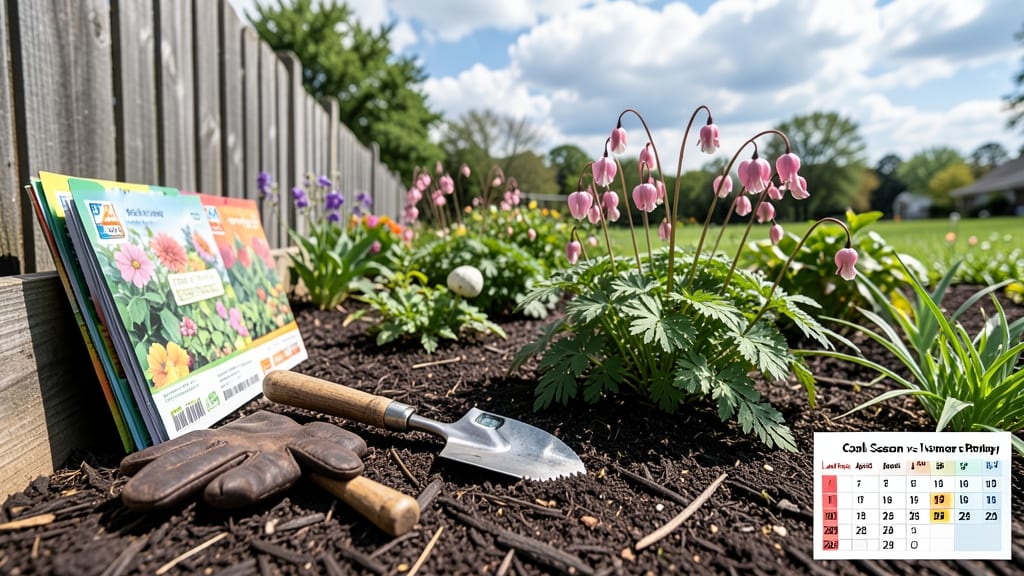
Planting your garden in Pennsylvania at the wrong time can mean the difference between a bountiful harvest and a sad pile of frost-nipped seedlings.
Pennsylvania’s diverse climate—from the cool mountains to the humid valleys—means planting your garden at the wrong time can spell disaster for your crops. Get the exact last frost dates by zone and learn which vegetables, flowers, and herbs thrive when planted now in your part of PA.
Whether you're in the warmer southeastern zone or the cooler northwestern regions, timing is everything. Skip the guesswork and start with the right soil temperature, frost-free window, and crop-specific schedule to avoid common pitfalls like stunted growth or wasted seeds.
In this guide, I’ll break down the best planting times for your PA garden, including when to sow cool-season greens, transplant tomatoes, and more—so you can enjoy a garden that grows as fast as your enthusiasm.
Pennsylvania last frost dates by Zone: when to plant cool-season vs. warm-season crops
Pennsylvania spans USDA hardiness zones 5a to 6b, creating a patchwork of planting windows across the state.
Whether you're in the cool mountain regions of the Poconos or the warmer valleys near Pittsburgh, knowing your exact last spring frost date and first fall frost date is critical for timing your garden right.
A late frost can wipe out tender seedlings, while planting too early in cooler zones risks stunted growth.
I’ve broken down the average last frost dates by zone to help you plan your cool-season crops (like spinach and peas) and warm-season crops (like tomatoes and peppers) with precision.
For example, in Zone 5a (northwest PA), you’ll need to wait until mid-May for warm-season plants, while Zone 6b (southeast PA) can start as early as late April. These timelines ensure your plants thrive—not just survive.
Below, you’ll find a zone-by-zone comparison of last frost dates, first fall frost timelines, and ideal planting windows for key crops. Pro tip: Use row covers or a cold frame to extend your growing season by 2–4 weeks in cooler zones, especially for heat-loving plants like basil and cucumbers.
Now that you know your last frost dates, let’s talk cool-season vs. warm-season crops. Cool-season crops like lettuce, kale, and peas can handle light frosts and even thrive in spring’s cooler temperatures.
Plant these 4–6 weeks before your last frost date for a head start. In Zone 5a, that means sowing spinach by March 15 and broccoli by April 1.
On the flip side, warm-season crops such as tomatoes, peppers, and basil need soil temperatures above 60°F to germinate. In Zone 6b, you can start tomato seeds indoors by March 1 and transplant them outdoors by May 10.
But in Zone 5a, wait until May 25—planting too early risks cold-sensitive roots rotting.
For herbs like cilantro and parsley, which bolt in heat, I recommend planting them in early spring or late summer.
In Zone 6a, sow cilantro by March 15 for a spring harvest, then again by August 15 for a fall crop before the first frost. Basil, however, waits until after your last frost—so in Zone 5b, hold off until May 10.
Don’t forget about fall planting! Many cool
Best crops to plant now in Pennsylvania: month-by-month planting guide for maximum yield
Spring in Pennsylvania brings a flurry of planting opportunities, but timing is everything. Whether you're in Zone 5 or Zone 6, knowing exactly when to plant each crop ensures a bountiful harvest.
March through June is your window for cool-season crops, warm-season staples, and even some flowers that thrive in Pennsylvania's moderate climate.
Start with leafy greens like spinach and kale in early March, while root vegetables such as carrots and beets can wait until April. By May, you can safely plant tomatoes, peppers, and beans, which love the warmer soil.
Don't forget flowers like marigolds and nasturtiums—they deter pests and add color to your garden beds.
Succession planting is key to extending your harvest. For example, sow lettuce every two weeks from March to June, and follow up with bush beans like 'Burpee's Bush Beans' once the soil warms to 60°F. This method keeps your kitchen garden productive all season long.
Here’s a quick reference for PA-specific planting times to maximize your garden’s potential:
| Crop Type | Best Months to Plant | PA-Specific Varieties | Succession Planting Tip |
|---|---|---|---|
| Leafy Greens | March–April, September | 'Bloomsdale Long Standing' Lettuce, 'Winterbor' Kale | Sow every 2 weeks for continuous harvest |
| Root Vegetables | April–May | 'Danvers' Carrots, 'Detroit Dark Red' Beets | Thin seedlings to 2–3 inches apart |
| Fruiting Plants | May–June (after last frost) | 'Burpee's Bush Beans', 'Brandywine' Tomatoes | Use row covers for early starts |
| Flowers | April–May | Marigolds, Nasturtiums, Zinnias | Interplant with veggies to repel pests |
For warm-season crops, wait until the soil reaches at least 60°F—usually late May in most of PA. Test your soil with a thermometer to avoid planting too early. If you're in Zone 5, consider using black plastic mulch to warm the soil faster for tomatoes and peppers.
Don’t overlook herbs like cilantro and dill, which thrive in cooler spring temperatures. Plant them in March for an early harvest, or wait until September for a fall crop. Basil, on the other hand, prefers warmer weather—plant it in May after the last frost date has passed.
Extend your growing season by planting fall crops like broccoli and cabbage in early August. These cool-season favorites will mature before the first frost, giving you a second harvest bounty. With the right timing and a little planning, your Pennsylvania garden can be productive from spring through fall.