
Planting
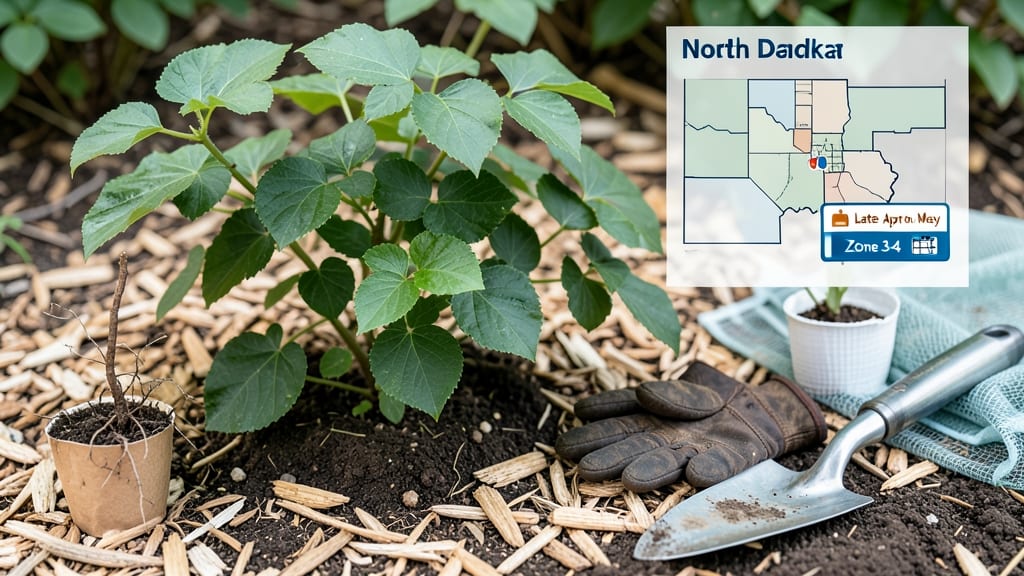
To plant a garden in North Dakota, timing is everything—your 120-day growing window starts after the last frost, usually by mid-May in most regions.
North Dakota’s short growing season demands precision—plant too early and risk frost damage, too late and miss peak harvests. Timing your garden correctly means the difference between a bountiful yield and wasted seeds.
With USDA zones 3b-4b, you’ll need to plan for a late-April to mid-June planting window, depending on your microclimate. Cities like Fargo and Bismarck have slightly different frost dates, so knowing your local averages is key.
Below, I’ll break down the best planting times for cool-season crops (like potatoes and peas) versus warm-season favorites (tomatoes and peppers), plus 5 pro tips to stretch your season without a greenhouse.
North Dakota frost dates by region: when last and first frosts occur
North Dakota’s frost dates are the backbone of successful gardening here. With USDA Hardiness Zones 3-5, your planting schedule hinges on knowing when to expect those last spring frosts and first fall frosts.
In my experience, even a week’s difference can mean the difference between thriving plants and frost-nipped failures. Let’s break down what you need to know for Fargo, Bismarck, and Dickinson, the state’s key gardening hubs.
Understanding these dates helps you plan for cold-hardy crops like kale and peas in early spring, while warm-season favorites like tomatoes and peppers wait until after the average last frost. Historical data shows these dates can shift by 1-2 weeks yearly, so always check local forecasts.
For example, Fargo’s last spring frost typically arrives around May 10, while Dickinson’s is often 2-3 days earlier due to its more continental climate.
Here’s where the comparison-table becomes your best friend. It shows the average last spring frost and first fall frost dates for ND’s major regions, along with USDA Zone specifics. This visual guide will help you align your planting with the climate’s rhythm.
| Region | USDA Zone | Avg Last Spring Frost | Avg First Fall Frost | Frost-Free Days | Key Planting Notes |
|---|---|---|---|---|---|
| Fargo | 4b-5a | May 10 | September 15 | 125-135 | Wait until May 20 for warm crops; use row covers for early starts. |
| Bismarck | 4a-4b | May 5 | September 20 | 130-140 | Soil warms slower; test soil temperature before planting (aim for 50°F). |
| Dickinson | 4a | May 3 | September 25 | 135-145 | Drier climate; mulch heavily to retain moisture. |
| Grand Forks | 3b-4a | May 15 | September 10 | 115-125 | Shorter season; focus on fast-maturing varieties. |
| Minot | 4a | May 7 | September 18 | 128-138 | Windier; use windbreaks for delicate plants. |
Now that you’ve got the frost date basics, let’s talk microclimates. Even within cities, frost patterns vary. For instance, a south-facing slope in Bismarck might warm up 3-5 days earlier than a low-lying area.
If you’re near a large body of water (like the Red River in Fargo), expect slightly cooler nights that delay frost dates by a few days. Always scout your yard for these nuances before planting.
For cold-sensitive crops like basil or cucumbers, I recommend waiting until after May 20 in Fargo or May 10 in Dickinson. These dates give you a 90% chance of avoiding frost damage.
To hedge your bets, use black plastic mulch or floating row covers to warm the soil and protect young plants. I’ve seen tomato seedlings thrive under these covers planted as early as May 1 in Bismarck—just remove them by June 1 to prevent heat stress.
Don’t forget about fall planting. Many cool-season crops, like spinach and radishes, can handle light frosts and even improve in flavor after a touch of frost. In Fargo, you can often plant these until August 15 for a fall harvest.
Use the first fall frost dates from the table above as your deadline for warm-season crops like peppers and eggplants—these need to be harvested or brought indoors before September 1 in most of ND.
Pro tip: Keep a gardening journal for at least 3 years to track your local frost dates. I’ve seen years where Fargo’s last frost hit as late as May 25 and others where it arrived by April 20.
Your data will become more reliable than the 30-year averages in the table above. Start by noting the date of your first frost in fall and the last frost in spring each year.
If you’re new to ND gardening, don’t stress about getting the dates perfect. Even experienced gardeners lose plants to unexpected frosts. Start with cold-hardy crops like peas, lettuce, and kale in early spring, and gradually introduce warm-season plants as the season progresses.
With time, you’ll develop an instinct for your local frost patterns—and soon, you’ll be the one helping neighbors adjust their planting schedules!
Remember, the key to North Dakota gardening is flexibility. Use these frost dates as your guidelines, not rules, and always keep an eye on the weather forecast in the days leading up to your planned planting. Happy growing!
Optimal planting timeline for North Dakota crops: cool vs. warm season
North Dakota’s short growing season (just 90-120 frost-free days) means timing is everything. Cool-season crops like kale and potatoes thrive in early spring, while warm-season tomatoes and peppers need to wait until after the last frost.
I’ve broken down the best planting windows for 15+ staple crops, including succession planting tips to stretch your harvest.
Start with hardy cool-season veggies in late April as soon as soil warms to 40°F. These include potatoes, onions, and peas, which can handle light frosts. By mid-May, transition to warm-season crops like cucumbers and beans once nighttime temps stay above 50°F.
For extended harvests, plan succession plantings every 2-3 weeks for lettuce or radishes.
🌱 Summary Table: North Dakota Planting Timeline
| Crop | Planting Window | Notes |
|---|---|---|
| Potatoes | Late April | Plant seed potatoes 4" deep; harvest in July-August. |
| Peas | Late April - Early May | Tolerates light frost; succession plant every 2 weeks. |
| Lettuce | April, July (fall crop) | Direct sow or transplant; harvest cut-and-come-again. |
| Tomatoes | Mid-May (after frost) | Use row covers for early starts; harvest July-September. |
| Cucumbers | Late May - Early June | Needs warm soil; trellis for space-saving. |
| Kale | April, July | Cold-hardy; sweeter after frost. |
| Beans | Late May - June | Wait until soil is 60°F+; harvest in August. |
| Carrots | Late April - Early June | Sow thinly; harvest July-September. |
| Peppers | Early June (start indoors) | Needs long, warm season; harvest August-September. |
For extended harvests, try succession planting with fast-growing crops like radishes (every 2 weeks) or bush beans (every 3 weeks). Cool-season crops planted in July (e.g., spinach or turnips) will mature before the first frost.
Always check your local frost dates—Fargo’s last frost averages May 15, while Dickinson’s can be 10 days later.
Pro tip: Use row covers to push warm-season crops like tomatoes or cucumbers 2-3 weeks earlier. Remove covers when flowers appear to prevent heat stress.
For cold-hardy varieties, choose Arctic King potatoes or Winterbor kale, which survive -20°F temps. Mulch heavily in fall to protect roots from early frosts.
Plan your planting calendar around ND’s 120-day window. Start with early spring crops, then transition to summer favorites, and finish with fall harvests like garlic or overwintered onions. With this timeline, you’ll maximize your garden’s