
Plants
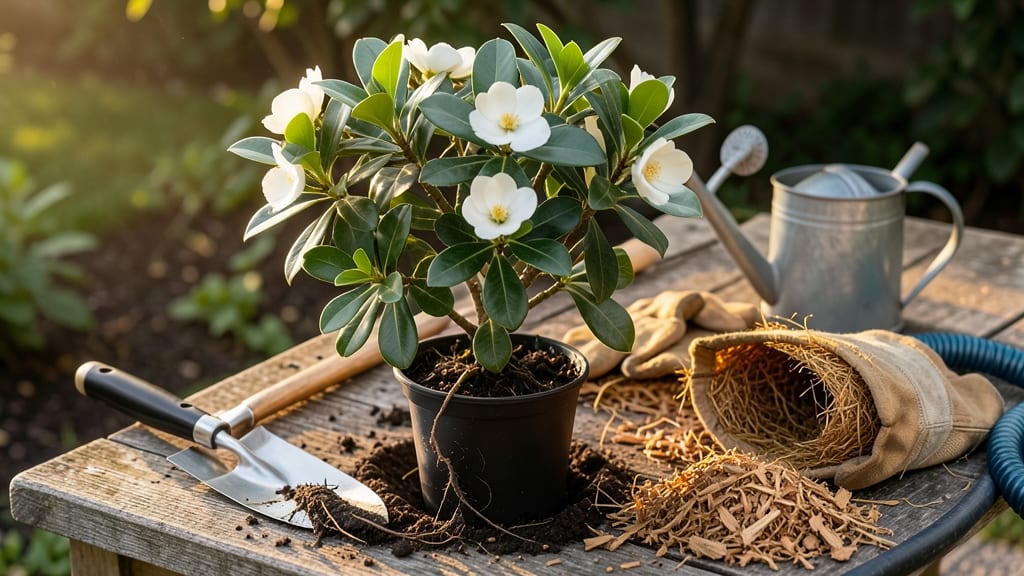
Plant gardenias in Georgia between mid-March and April, after the last frost and when soil warms to 60°F—this is the best window to set your 🌸 shrubs up for fragrant blooms all summer.
If you’ve ever watched a gardenia struggle to take root in Georgia’s heat or seen buds drop before they open, you know timing matters more than you’d think.
The key is beating the last frost while avoiding the brutal afternoon sun of late spring. Gardenias thrive in partial shade, but planting too early risks cold damage, while waiting too long can stress roots before they establish.
Below, I’ll walk you through the exact steps to prep soil, choose the right location, and keep your gardenias happy through Georgia’s long, humid summers—so you can enjoy those iconic white blooms year after year.
Best planting months for gardenias in Georgia’s climate zones
Georgia’s humid subtropical climate makes it ideal for gardenias, but timing your planting is critical to avoid frost damage or stunted growth. Gardenias thrive in USDA Zones 7b-8a, which covers most of Georgia, from Atlanta’s cooler hills to Savannah’s coastal warmth.
The key is planting after the last frost when soil temperatures reach 60°F or higher, ensuring strong root establishment before summer’s heat.
In Georgia, the optimal planting window spans from mid-March to mid-April, aligning with the state’s average last frost date of March 15. However, regional microclimates—like the warmer coastal areas (Zone 8a) or higher elevations (Zone 7b)—can shift this window by 1-2 weeks.
Container-grown gardenias offer more flexibility, allowing for early February or late May planting if acclimated properly.
Below is a detailed comparison of planting timelines for Georgia’s climate zones, including soil temperature thresholds and frost risk. Use this as your guide to maximize bloom potential and avoid common pitfalls like root rot from waterlogging or heat stress from premature planting.
For in-ground planting, wait until soil temperatures consistently stay above 60°F to prevent root rot. Use a soil thermometer to monitor—Georgia’s spring soil can fluctuate wildly between day and night.
In Zone 7b, like Atlanta, aim for late March to avoid late frosts, while Zone 8a gardeners in Savannah can plant as early as late February.
Container planting offers more flexibility but requires proper acclimation. If planting in early spring (February), move containers to a sheltered location at night to protect from unpredictable cold snaps.
Conversely, late spring planting (May) is riskier in hotter zones like Savannah, where intense afternoon sun can stress young plants. Always choose a shady spot for the first 2–3 weeks post-planting.
Regional variations matter—Atlanta’s Piedmont region has cooler nights, while Savannah’s coastal plain stays warmer longer. If you’re in Zone 7b, err on the side of planting later (early April) to avoid frost.
In Zone 8a, you can push the window to February for a head start on blooms. Just remember: gardenia roots need warmth to establish, so never plant before soil temps rise.
One common mistake Georgia gardeners make is planting too late, hoping for cooler summer conditions. By May or June, gardenias struggle to establish roots before the humid heat sets in.
If you miss the spring window, opt for container-grown plants and plant in early fall (September) to give roots time to settle before winter. Just avoid planting after October 15, as new growth won’t harden off before frost.
To check if your gardenia is ready for planting, press your finger into the soil—it should feel warm to the touch
How to prepare gardenia soil and location for maximum blooms
Gardenias thrive in Georgia’s climate, but they demand specific soil conditions and the right sunlight exposure to reward you with those iconic fragrant white blooms. The key?
Mimicking their native acidic, well-draining soil while protecting them from Georgia’s intense afternoon sun. Let’s break down the essential prep steps to set your gardenias up for success.
Start by testing your soil’s pH level—gardenias crave acidic soil between 5.0 and 6.5. Georgia’s native soil often leans alkaline, so you’ll likely need to amend it.
Mix in peat moss or pine bark fines to lower the pH naturally, and add compost or well-rotted leaf mold for organic matter. This combo ensures your soil holds moisture without suffocating roots.
- ☑️ Test soil pH (aim for 5.0–6.5) with a home test kit or lab analysis
- ☑️ Amend with 20% peat moss or pine bark fines to acidify soil
- ☑️ Work in 3–4 inches of compost for nutrients and drainage
- ☑️ Loosen soil to 12 inches deep to prevent root compaction
- ☑️ Add a 1-inch layer of mulch (pine straw or oak leaves) to retain moisture
Next, choose the perfect location to balance sun and shade. Gardenias need morning sunlight (6 AM–10 AM) for energy but will scorch in Georgia’s afternoon heat (after 2 PM). Plant them where they receive dappled shade from trees or a north-facing wall.
If your yard lacks natural shade, consider a container setup near an east-facing window or under a patio awning.
Drainage is non-negotiable—waterlogged roots will kill your gardenias faster than anything. If your yard has clay-heavy soil, raise the planting area by 6–12 inches or use a raised bed with a mix of 50% sand and 50% amended soil.
Always plant in a spot where water drains within 24 hours; if it pools, relocate or improve drainage immediately.
Finally, acclimate your gardenias gradually if starting from containers. Harden off nursery plants by placing them outdoors for 2–3 hours daily over 5–7 days, increasing exposure until they’re fully adjusted.
This step is critical in Georgia’s humid summers, where sudden heat stress can shock young plants. Water deeply before transplanting to reduce transplant shock.
With the right soil prep and sunlight strategy, your gardenias will establish roots quickly and burst into fragrant blooms by midsummer. The secret? Patience and precision—gardenias reward careful gardeners with years of luxurious, sweet-scented flowers. 🌸