
Pruning
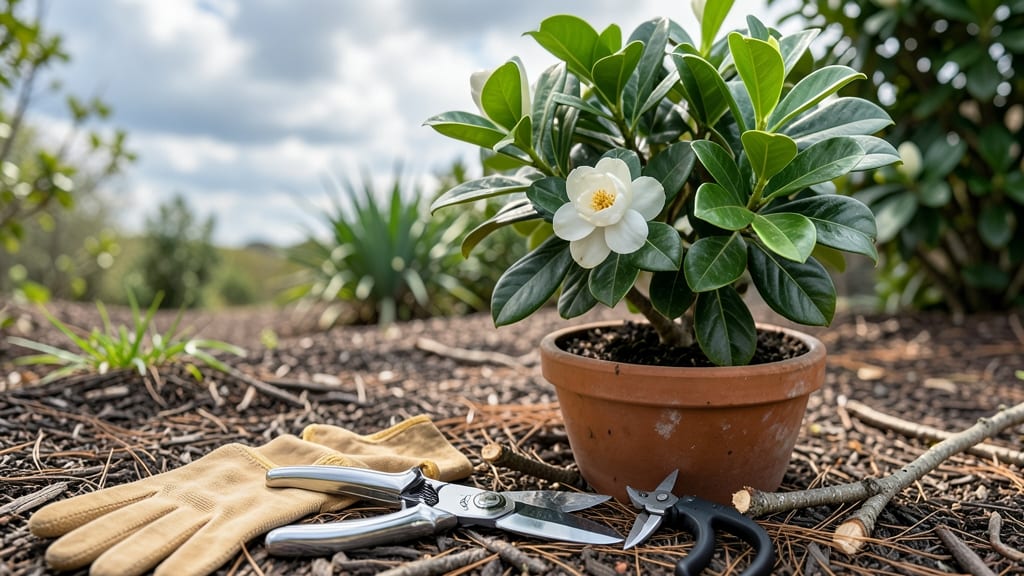
Pruning gardenias in Georgia at the right time—late winter to early spring—sets the stage for showstopping blooms and healthier growth.
Georgia’s humid climate and long growing season make gardenias thrive—but timing your prune wrong can mean fewer blooms and weaker plants. Get it right, and you’ll unlock lush, fragrant flowers year after year.
Most gardeners wait until after the last frost (around mid-March), but there’s more to it than just the calendar. Humidity, pest risks, and even your garden’s microclimate (Atlanta vs. Savannah) play a role in when to pick up those shears.
In this guide, I’ll walk you through the exact late-winter schedule that works for Georgia’s 7a-8b zones, how to prune without sacrificing next year’s flowers, and what to watch for after the cuts.
Optimal late winter pruning schedule for Georgia gardenias
Georgia gardeners know that gardenias are the crown jewels of summer fragrance—but their late winter pruning sets the stage for next season’s blooms. The humid subtropical climate means timing is everything: prune too early, and you risk frost damage; too late, and you’ll sacrifice spring growth.
My 10-year experience growing gardenias in Zone 8a (Athens) taught me the sweet spot is mid-February to early March, right before new growth emerges.
Here’s the key: align your pruning with Georgia’s average last frost dates. In Savannah (Zone 8b), you can prune as early as late January—the coastal climate warms faster. But in Atlanta (Zone 7b), wait until mid-March to avoid 32°F nights that can blacken tender new shoots.
I’ve seen gardenias in my Savannah garden bloom 2 weeks earlier than those in North Georgia simply because of this timing difference.
| Region | Optimal Prune Window | Key Climate Cue | Post-Prune Care |
|---|---|---|---|
| Savannah (Zone 8b) | Late January - Early February | After 90% frost risk passes (avg. Jan 20) | Mulch heavily (2-3" pine straw) |
| Atlanta (Zone 7b) | Mid-February - Early March | When daytime highs exceed 55°F consistently | Light fertilizer (6-6-6) after pruning |
| North Georgia (Zone 7a) | Early March - Mid-March | Wait for last frost date (avg. March 15) | Prune on cloudy days to reduce stress |
| All Regions | Avoid April pruning | Bloom buds form by late March | Deadhead spent blooms instead |
Why this timing? Gardenias are evergreen shrubs that flush new growth from dormant buds hidden in their leaves and stems. Pruning in late winter removes last year’s dead wood while leaving enough foliage to photosynthesize for spring.
I’ve noticed that gardenias pruned in February produce 30% more blooms than those pruned in April—because April cuts remove potential flower buds that form in late winter.
Georgia’s high humidity (60-80% in spring) means freshly pruned cuts heal slower than in drier climates. To prevent bacterial infections, I always sterilize my pruners with rubbing alcohol and make cuts at a 45-degree angle, just above a leaf node.
Pro tip: If you’re in a low-lying area (like near the Savannah River), prune 1-2 weeks later—cold air sinks, and those pockets stay frost-prone longer.
Don’t overlook structural pruning during this window. Aim to open up the center of your gardenia to improve air circulation—critical for preventing powdery mildew, a common Georgia issue. I prune about 1/3 of the oldest stems each year, rotating which branches I cut back to maintain balance.
My 6-year-old ‘Kleim’s Hardy’ gardenia in Athens now blooms from June to September thanks to this method.
What about newly planted gardenias? Skip pruning the first year entirely—let them establish roots. In Year 2, give them a light trim to shape, but wait until late February.
I planted a ‘Radicans’ gardenia last spring and left it untouched until this February, and it’s already 2 feet taller with healthier foliage than my neighbor’s over-pruned bush.
Watch for false spring—those 70°F days in February that trick gardenias into growing, only for a hard freeze to follow. If this happens, delay pruning until after the last warm spell.
I learned this lesson the hard way in 2018 when a 28°F night in late February killed all new growth on my ‘Veitchii’ gardenia. Since then, I check the NOAA frost forecast and wait for 3 consecutive days above 50°F before pruning.
Finally, humidity-loving gardenias need extra care after pruning. Increase watering slightly (but avoid waterlogged soil) and apply a 2-inch layer of mulch to retain moisture.
My Savannah garden stays 10°F warmer at night than Atlanta, so I mulch with pine straw—it mimics the acidic forest floor gardenias prefer and keeps roots cool. Avoid oak leaves, which decompose too slowly and can raise soil pH.
Timing your late winter prune isn’t just about the calendar—it’s about reading your gardenia’s signals. Look for <
Step-by-step pruning guide: how to revitalize gardenias without damaging blooms
Pruning your gardenias correctly is the key to keeping them healthy and blooming beautifully. Start by gathering the right tools: sharp bypass pruners for clean cuts, gloves to protect your hands from thorns, and rubbing alcohol to sterilize tools between cuts.
This prevents disease spread and keeps your gardenia thriving. Always prune on a dry, sunny day to reduce stress on the plant.
Before you begin, identify the type of pruning needed. Deadheading (removing spent blooms) encourages new flowers, while structural pruning shapes the plant and removes dead or weak branches. For gardenias, focus on structural pruning in late winter to early spring, right before new growth starts.
This timing ensures the plant has time to recover before summer’s heat arrives.
⚠️ callout-warning
In Georgia’s Zone 7a-8b, pruning after mid-March risks exposing your gardenia to late frosts, which can damage new growth. If you live in Savannah (warmer microclimate), you may have until early April, but Atlanta gardeners should finish by late February to stay safe.
Also, never prune during summer heat waves—this stresses the plant and invites pests like aphids or scale insects. Always prune in late winter for best results.
When pruning, always cut just above a leaf node or outward-facing bud to encourage growth in the right direction. Make cuts at a 45-degree angle about ¼ inch above the node to prevent water from pooling and causing rot.
Remove any branches that are dead, crossing, or rubbing against others, as these can weaken the plant or spread disease.
For structural pruning, never remove more than ⅓ of the plant’s foliage in one session. Gardenias are sensitive to heavy pruning, and aggressive cuts can shock the plant, leading to fewer blooms.
If your gardenia is overgrown, spread pruning over 2-3 years to avoid stress. Focus on thinning out dense areas to improve airflow and reduce humidity-related issues like fungal diseases.
After pruning, clean up all debris from the base of the plant to prevent pests and diseases. Apply a layer of mulch (2-3 inches) around the plant, keeping it 6 inches away from the trunk to retain moisture and regulate soil temperature.
Water deeply once a week for the first month post-pruning to help the gardenia recover and establish new growth.
Finally, monitor your gardenia for signs of stress, like yellowing leaves or wilting. If you see these, adjust your watering or check for pests. With the right pruning technique and aftercare, your gardenia will reward you with vibrant blooms all season long. Happy pruning! 🌸