
Planting
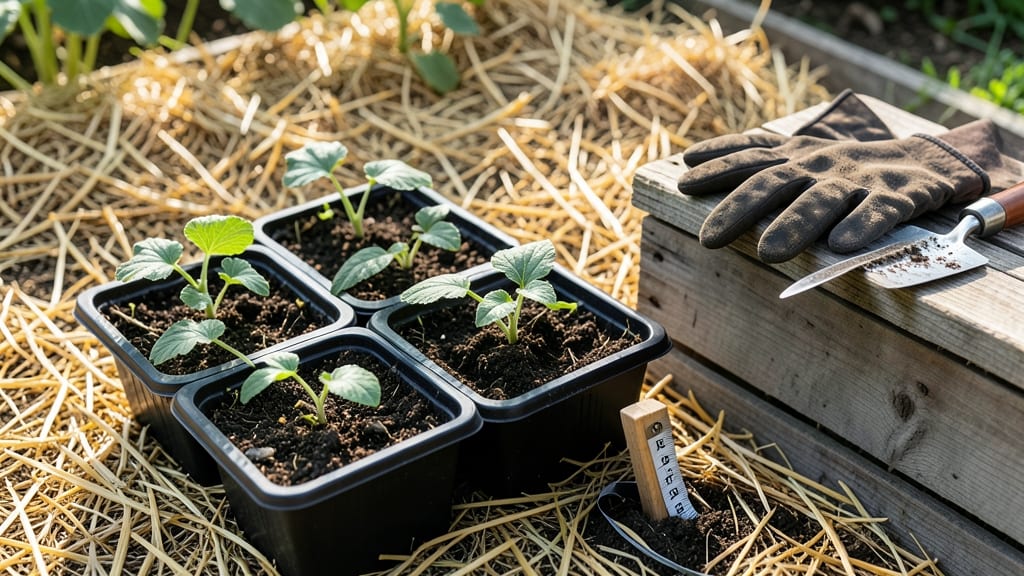
Proper squash spacing in garden is the unsung hero of a bountiful harvest—because even the hardiest 🎃 varieties will struggle if crowded.
Picture this: you’ve spent weeks nurturing your squash plants, only to watch them wilt under the weight of their own vines or succumb to powdery mildew because they’re fighting for air. That’s not just a lost crop—it’s a lesson in how much space your squash really needs to thrive.
Whether you’re growing bushy zucchini or sprawling butternut squash, the right spacing isn’t just about fitting more plants in—it’s about giving each one room to breathe, grow strong, and produce like a pro.
Below, I’ll break down the exact spacing rules for your garden, from soil prep to companion plants that keep pests at bay.
You’ll learn how to avoid the three biggest spacing mistakes that gardeners make, plus how to tweak your layout for small spaces or high-yield goals. Ready to turn your garden into a squash powerhouse?
Optimal squash spacing by variety: summer vs winter squash guidelines
Getting the right squash spacing in garden layouts is the difference between a bumper crop and a disappointing harvest. Squash plants fall into two main categories: summer squash (like zucchini and pattypan) and winter squash (like butternut and pumpkins).
Each has unique spacing needs to prevent disease, maximize sunlight, and ensure healthy fruit development.
Summer squash typically matures faster and has smaller vines, while winter squash requires more room to grow larger fruits and sprawling vines. Ignoring these spacing guidelines often leads to powdery mildew, stunted growth, and poor yields. Let’s break down the exact spacing requirements for each type to help you plan your garden like a pro.
| Variety | Plant Type | Plant Spacing (inches) | Row Spacing (feet) | Hill Spacing (feet) | Notes |
|---|---|---|---|---|---|
| Zucchini | Bush (summer) | 12-24 | 3-4 | 2-3 | Fast-growing; thin to 1 plant per hill |
| Pattypan | Bush (summer) | 12-18 | 3 | 2 | Compact; great for small gardens |
| Butternut | Vining (winter) | 36-48 | 5-6 | 4-5 | Needs trellis for heavy fruits |
| Pumpkin | Vining (winter) | 36-72 | 6-8 | 5-6 | Large varieties need max space |
| Acorn | Bush (summer) | 12-18 | 3 | 2 | Dwarf varieties ideal for containers |
| Spaghetti | Vining (summer) | 24-36 | 4-5 | 3-4 | Trellis recommended for support |
For bush-type squash like zucchini or acorn, you’ll want to keep plants 12-24 inches apart in rows spaced 3-4 feet apart. This spacing ensures good airflow and reduces the risk of fungal diseases like powdery mildew. Thin seedlings to the strongest plant per hill to avoid overcrowding early on.
Vining squash such as butternut or pumpkins need significantly more space—36-72 inches apart—with rows 5-8 feet apart. These varieties spread aggressively, so plan accordingly. If space is limited, consider trellising vining squash to save room while still providing support for heavy fruits.
Companion planting can also optimize your squash spacing in garden. Pair squash with nasturtiums (which deter pests) or beans (which fix nitrogen in the soil).
Avoid planting near potatoes or fennel, as they can stunt squash growth. Strategic spacing and companion plants work together to create a thriving, high-yield garden.
Remember, proper spacing isn’t just about yield—it’s also about plant health. Overcrowded squash plants compete for nutrients, leading to weaker vines and smaller fruits. By following these guidelines, you’ll ensure your squash plants have the room they need to flourish and produce an abundance of delicious harvests.
Start with a well-drained soil mix, and always water at the base of plants to keep foliage dry. This simple habit reduces disease risk and keeps your squash garden productive all season long. Happy planting!
How to adjust squash spacing for small gardens: compact layouts that work
Small gardens don’t mean small harvests—it’s all about smart squash spacing. With the right techniques, you can grow zucchini, butternut, or pumpkins in containers, raised beds, or even vertical spaces.
The key is adapting plant spacing to your space while preventing disease and overcrowding. Let’s explore how to maximize your yield without sacrificing plant health.
Most gardeners assume squash needs 3-6 feet between plants, but that’s for traditional in-ground gardens. In small spaces, compact spacing and trellising can cut that by half—without sacrificing productivity.
For example, bush varieties like Eight Ball zucchini thrive in 2-foot-wide containers, while vining types can climb 3-4 feet up trellises, saving precious ground space.
🌱 Compact Squash Spacing Cheat Sheet
18-24" apart
1 plant per 5-gallon pot
3-4' vertical space
2-week intervals
Adjust based on variety—always prioritize airflow to prevent disease.
Vertical gardening is a game-changer for small spaces. Use A-frame trellises or tomato cages to guide vining squash like butternut or spaghetti squash upward. This saves 80% of ground space while keeping fruits off the soil, reducing rot and pests. Just ensure your trellis is sturdy—mature squash can weigh 10+ pounds!
Another space-saving trick? Succession planting. Instead of planting all your squash at once, stagger seeds every 2 weeks through early summer. This extends your harvest and prevents overcrowding in tight spaces.
For example, plant 4 zucchini hills in May, then 4 more in June—you’ll enjoy fresh squash all season long without sacrificing yield.
Avoid these common spacing mistakes that waste space and invite problems:
- Overcrowding: Leads to powdery mildew and stunted growth.
- Skipping trellises: Vining squash sprawls, stealing space from other plants.
- Poor pruning: Letting vines get too dense reduces airflow and fruit quality.
For raised beds, aim for 1 plant per square foot for bush varieties, or 2 plants per 4’x8’ bed if using trellises. Container gardening works too—just use 5-gallon pots with well-draining soil and compost.
Place pots in full sun and water deeply every 2-3 days to mimic in-ground conditions.
With these compact layouts, you’ll turn even a balcony or patio into a squash powerhouse. Start small, experiment with spacing, and watch your harvest grow—literally! 🎃