
Planting
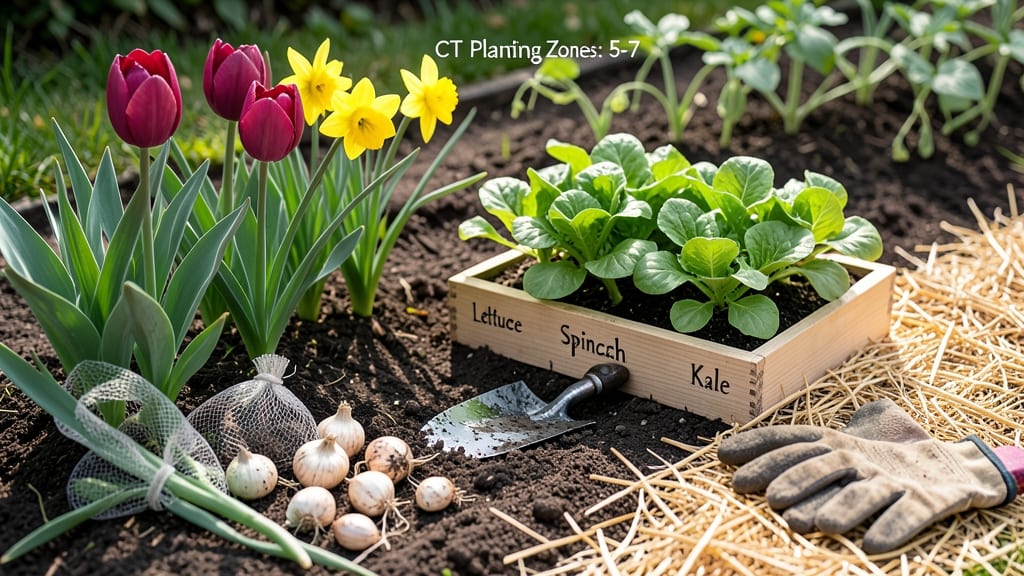
Planting your garden in Connecticut after the last frost date—typically mid-April—sets the stage for a bountiful harvest, but timing is everything in the 5b-6b zone.
Connecticut’s unpredictable spring weather can turn a gardener’s excitement into frustration—planting too early risks frost damage, while waiting too long shortens your growing season. Knowing the exact last frost dates for your CT zone is the key to maximizing your harvest, whether you're growing tomatoes, herbs, or cold-hardy greens.
From coastal New Haven to inland Hartford, frost dates shift by weeks, and microclimates mean your neighbor’s perfect timing might leave your 🌱 General Garden Plants vulnerable. This guide breaks down the best planting windows for every crop, so you can avoid the common mistakes that waste time and money.
You’ll learn how to adjust for late frosts, extend your season with simple tricks, and pick the right crops for each month—no guesswork, just proven deadlines tailored to Connecticut’s climate.
Connecticut’s last frost dates by planting Zone (and how they affect your garden)
Connecticut spans USDA Hardiness Zones 5b and 6b, with last frost dates that shift by just a few weeks between coastal areas and inland regions.
In Zone 5b (northern CT), the average last spring frost arrives around May 1, while Zone 6b (southern CT) typically sees frost-free conditions by April 15.
These dates are critical because planting warm-season crops like tomatoes or peppers too early means frost damage, while waiting too long shortens your harvest window.
For example, Hartford (Zone 5b) has a historical last frost date of May 5 (with a 10% chance of frost until May 15), while New Haven (Zone 6a/6b) averages April 20—a difference that can mean the difference between a thriving garden and a failed crop.
Even Stamford’s coastal microclimate often enjoys 2-3 frost-free weeks earlier than inland areas due to lake-effect warming.
Understanding these variations helps you time cool-season crops (like spinach or peas) for early spring planting and warm-season crops (like basil or cucumbers) for post-frost dates.
The first fall frost typically arrives between October 10 (Zone 6b) and October 25 (Zone 5b), giving you a 165-day growing season—plenty of time for succession planting and fall harvests if you plan correctly.
| Location | Zone | Avg. Last Spring Frost | Avg. First Fall Frost | Safe Planting Window |
|---|---|---|---|---|
| Hartford | 5b | May 1 | October 20 | May 15–September 15 |
| New Haven | 6a/6b | April 20 | October 10 | April 25–September 30 |
| Stamford | 6b | April 15 | October 5 | April 30–October 1 |
*Dates are averages; check local forecasts for real-time updates.
Your planting zone also dictates which cool-season crops you can grow in fall. For instance, kale and carrots thrive when planted 6-8 weeks before the first frost, meaning September 1 (Zone 6b) or September 15 (Zone 5b) is ideal.
Meanwhile, warm-season crops like tomatoes and peppers need soil temperatures above 60°F, which typically occurs 2-3 weeks after the last frost—so wait until early May in Zone 5b or mid-April in Zone 6b.
Pro tip: Use frost cloths or row covers to extend your season by 2-4 weeks for early plantings. I’ve successfully grown spinach and lettuce in March by covering them with lightweight fabric, then removed it after the last frost.
This technique also protects tender seedlings like basil and cucumbers from late-spring frosts that can devastate your garden overnight.
For herbs and perennials, timing matters less—but soil conditions do. Plant rosemary and thyme in spring (after frost) or early fall when temperatures are mild. These drought-tolerant plants thrive in well-draining soil, so amend your beds with compost before planting to ensure they establish roots quickly before winter.
Don’t forget about microclimates in CT! A south-facing slope warms up faster than a north-facing valley, meaning you can plant warm-season crops 1-2 weeks earlier in sunny spots.
I’ve noticed my tomato plants on the south side of my house ripen 10 days ahead of those in a shadier bed—proof that paying attention to your garden’s nuances pays off.
To stay ahead of frost surprises, bookmark the CT Agricultural Experiment Station’s frost date tracker or use apps like Old Farmer’s Almanac for real-time updates. Even with the best planning, late frosts happen—so keep frost cloths on hand and monitor your local forecast like a hawk.
With these zone-specific guidelines, you’ll turn Connecticut’s unpredictable climate into an advantage for a bountiful harvest.
🌱
How to adjust planting times for Connecticut’s unpredictable weather patterns
Connecticut’s unpredictable spring weather can leave gardeners guessing about the best time to plant. Even if you’ve memorized the average last frost date of mid-April, a late snowstorm or unexpected heatwave can throw off your plans.
The key is flexibility—using tools and strategies to extend your growing season and adapt to Mother Nature’s whims. Whether you’re planting tomatoes, peppers, or cool-season greens, knowing how to adjust your timeline can mean the difference between a thriving garden and a sad, frost-bitten disappointment.
One of the first steps is to monitor soil temperatures rather than relying solely on air temperatures. Warm-season crops like cucumbers and squash need soil that’s at least 60°F to germinate properly. A soil thermometer is your best friend here—it gives you a more accurate picture than a weather forecast.
Pair this with a 14-day forecast to get a sense of whether a cold snap is coming. If you’re still unsure, consider starting your warm-season plants indoors 4-6 weeks before the last frost date to give them a head start.
5 Ways to Adjust Planting Times in Connecticut
- 1. Use Frost Cloths: Cover tender plants with frost cloth to protect them from unexpected late-spring frosts. This can buy you an extra 2-3 weeks of planting time for warm-season crops.
- 2. Build a Cold Frame: A simple cold frame can extend your growing season by 4-6 weeks in both spring and fall. It traps heat during the day and insulates at night, keeping cool-season crops like lettuce and spinach thriving.
- 3. Practice Succession Planting: Instead of planting all your lettuce or radishes at once, stagger your plantings every 2 weeks. This ensures a steady harvest and reduces the risk of losing everything to a single frost.
- 4. Plant Heat-Tolerant Varieties: Choose heat-resistant seeds like ‘Heatmaster’ tomatoes or ‘Malaga’ spinach, which can handle unexpected heatwaves better than traditional varieties.
- 5. Adjust for Microclimates: Coastal areas like New Haven may have warmer springs than inland cities like Hartford. Use local weather stations or gardeners’ reports to fine-tune your planting schedule.
Another smart strategy is to plant cool-season crops early and warm-season crops late in the season. For example, you can direct-sow spinach and peas as early as late February or early March under row covers. These crops can tolerate light frosts and even thrive in cooler temperatures.
On the other hand, if you’re itching to plant tomatoes or eggplants but the weather is still chilly, consider using a black plastic mulch to warm the soil faster and create a microclimate for your plants.
Don’t forget about succession planting, which is especially useful in Connecticut’s short growing season. Instead of planting all your bush beans or carrots at once, plant a portion every 2-3 weeks until mid-July.
This way, you’ll have a continuous harvest and won’t be left with a glut of produce all at once. It’s also a great way to fill gaps left by early crops like radishes or lettuce, which bolt or go to seed quickly in the heat.
If you’re still unsure about the best time to plant, keep a garden journal to track your successes and failures over the years.
Note when you planted, what worked, and what didn’t. Over time, you’ll develop a personalized planting schedule that accounts for your specific microclimate and the quirks of Connecticut’s weather. And remember, even the most experienced gardeners adjust their plans year to year—it’s all part of the fun!
With these strategies, you’ll be well on your way to maximizing your growing season and enjoying a bountiful harvest, no matter what Connecticut throws your way. Happy gardening!