
Tools
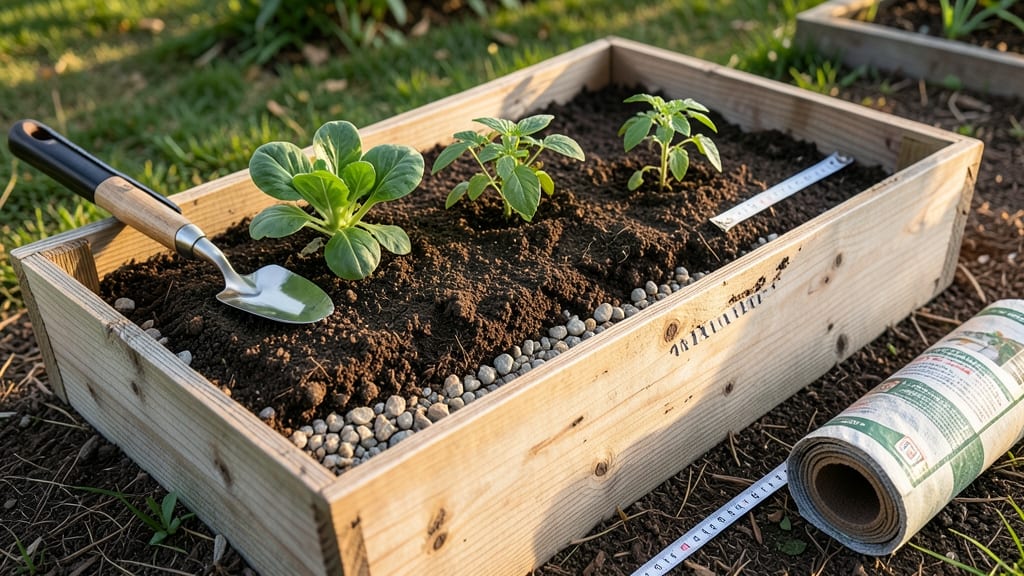
The ideal raised garden bed soil depth is the foundation of a thriving harvest — and most gardeners don’t realize how much it matters until their plants start struggling.
You’ve picked the perfect spot, chosen disease-resistant seeds, and even built your bed to the right height. But if your soil isn’t deep enough, your carrots will fork, your tomatoes will top-heavy, and your herbs will bolt before you can use them.
The truth? Most plants need at least 6–12 inches of quality soil to grow strong roots, and many do better with even more.
This isn’t just about digging deeper—it’s about layering the right materials for drainage, aeration, and nutrients. A well-built raised bed can give you twice the growing space of an in-ground plot while keeping weeds down and soil fertile.
But get the depth wrong, and you’re fighting an uphill battle before the first seed even sprouts.
In this guide, I’ll walk you through the science of soil depth, how to measure it right, and the layering tricks that keep your raised garden bed producing all season long—no guesswork included.
Ideal raised garden bed soil depth by plant type: root space requirements
When planning your raised garden bed, soil depth isn’t just about filling space—it’s about creating the perfect environment for roots to thrive. Shallow-rooted plants like lettuce or basil need only 6–8 inches of soil, while deep-rooted varieties like carrots or tomatoes demand 12–18 inches to access nutrients and water.
Ignoring these needs can stunt growth or even kill plants before they mature.
Soil depth directly impacts drainage, nutrient availability, and root expansion. A bed that’s too shallow forces roots to compete for resources, while over-deep beds can become waterlogged, suffocating roots.
Balancing these factors ensures healthy plants from seedling to harvest. Let’s break down the ideal depths for your favorite crops.
📋 Summary Table: Soil Depth Requirements by Plant Type
For shallow-rooted crops like lettuce or radishes, 6–8 inches of soil is perfect because they mature quickly before roots need more space. These plants thrive in well-draining, nutrient-rich layers, so focus on adding compost and organic matter to the top 6 inches. Over-deepening isn’t necessary and can waste resources.
Herbs like basil and parsley fall into the 8–10 inch category, needing slightly more depth to support their bushy growth habits.
If your bed is only 6 inches deep, opt for container-friendly varieties like dwarf basil or grow them in deeper sections of the bed. Mulching the surface helps retain moisture and prevents soil compaction.
Medium-rooted vegetables, including peppers and kale, require 10–12 inches of soil to anchor their roots and access nutrients. These plants benefit from a balanced soil mix with equal parts topsoil, compost, and perlite for aeration. Without enough depth, they’ll struggle to stay upright or produce abundant yields.
Deep-rooted plants like carrots and tomatoes are the most demanding, needing 12–18 inches of soil to thrive. Carrots, in particular, need loose soil to prevent forking, while tomatoes rely on deep layers for stability and fruit production.
If your bed isn’t deep enough, consider interplanting shallow crops around them or using raised bed extensions.
Flowers like marigolds or sunflowers typically fit into the 8–12 inch range, but taller varieties (e.g., sunflowers) may need extra support or deeper beds. Always check the mature height of your chosen flowers—some, like hollyhocks, can reach 5–6 feet tall and require 18+ inches of soil for stability.
Beyond depth, consider soil composition. A mix of 60% topsoil, 30% compost, and 10% perlite or vermiculite works for most beds. For sandy soils, add peat moss to retain moisture, while clay-heavy soils benefit from extra perlite for drainage.
Test your soil’s pH—most vegetables prefer 6.0–7.0, while blueberries need 4.5–5.5.
One common mistake is over-filling beds with too much soil, which can lead to poor drainage and root rot. Leave 2–3 inches of space below the rim for water to drain freely.
If your bed feels compacted, aerate the soil with a garden fork before planting. For long-term health, rotate crops annually to prevent nutrient depletion.
Pro tip: Use a soil depth gauge or ruler to measure layers as you build your bed. Label sections if you’re growing multiple crops with different needs. With the right depth and mix, your raised bed will become a high-yielding, low-maintenance garden oasis. 🌱
Layering techniques for perfect soil depth: carcass, compost, and mulch
Building a raised garden bed isn’t just about filling it with dirt—it’s about creating a stratified ecosystem where each layer serves a purpose. Think of it like a cake: the bottom layer handles drainage, the middle provides nutrients, and the top supports plant roots.
Without this structure, you risk waterlogging, nutrient runoff, or stunted growth. I’ve learned the hard way that skipping layers leads to plants that struggle even with perfect sunlight and watering.
Your raised bed needs three core layers: a drainage carcass at the bottom, a compost-rich middle for fertility, and a topsoil layer for root growth. The magic happens when you balance these layers correctly—too much gravel can suffocate roots, while too little compost means your plants starve.
Let’s break down how to layer them like a pro for optimal depth and plant health.
Step-by-Step Layering for Raised Garden Beds
-
Step 1: Drainage Layer (4–6 inches)
Use coarse materials like gravel, broken pottery, or bark chips to prevent waterlogging. This layer should take up 20–30% of your bed’s total depth. -
Step 2: Carbon-Rich Layer (2–4 inches)
Add shredded leaves, straw, or coconut coir to improve aeration and balance moisture. Avoid fresh wood chips—they can rob nitrogen. -
Step 3: Compost Layer (6–12 inches)
Fill the bulk of your bed with well-aged compost, worm castings, and aged manure. Aim for 50–70% of your total soil volume to ensure nutrient density. -
Step 4: Topsoil Layer (4–6 inches)
Use high-quality topsoil or a mix of compost and peat moss to create a loose, crumbly surface. This is where roots will thrive. -
Step 5: Mulch Topping (2–3 inches)
Add straw, wood chips, or grass clippings to retain moisture, suppress weeds, and regulate soil temperature.
💡 Pro Tip: For deep-rooted plants like tomatoes or carrots, extend the compost layer to 12–18 inches total depth.
Now, let’s talk about materials that make or break your layers. I’ve tested everything from river rocks to pine bark fines, and some choices backfire spectacularly. For example, sand might seem like a drainage fix, but it compacts over time and suffocates roots.
Instead, opt for perlite or vermiculite in your topsoil mix for long-term aeration. And if you’re using cardboard as a weed barrier, make sure it’s buried under at least 2 inches of soil—otherwise, it’ll decompose too fast and clog your drainage.
Troubleshooting is where many gardeners stumble. If your raised bed drains too quickly, add a layer of peat moss or coconut coir to the topsoil to slow water flow. For compacted soil, mix in composted leaves or perlite to loosen the texture.
And if your plants wilt despite regular watering, check the bottom layer—it might be clogged with fine debris instead of coarse materials.
Remember, the goal is balance. A bed layered with 80% compost and 20% drainage works for most vegetables, but herbs and shallow-rooted flowers thrive in 60% compost and 40% topsoil.
Adjust based on what you’re growing, and don’t forget to test your soil pH before planting—even the perfect layers won’t help if your soil is too acidic or alkaline.
Once your layers are set, give them a week to settle before planting. Water deeply to help the layers meld together, and watch your garden transform from a guesswork project into a high-performing ecosystem.
Your plants will thank you with stronger roots, bigger yields, and fewer struggles—no matter what Zone you’re in. 🌱