
Planting
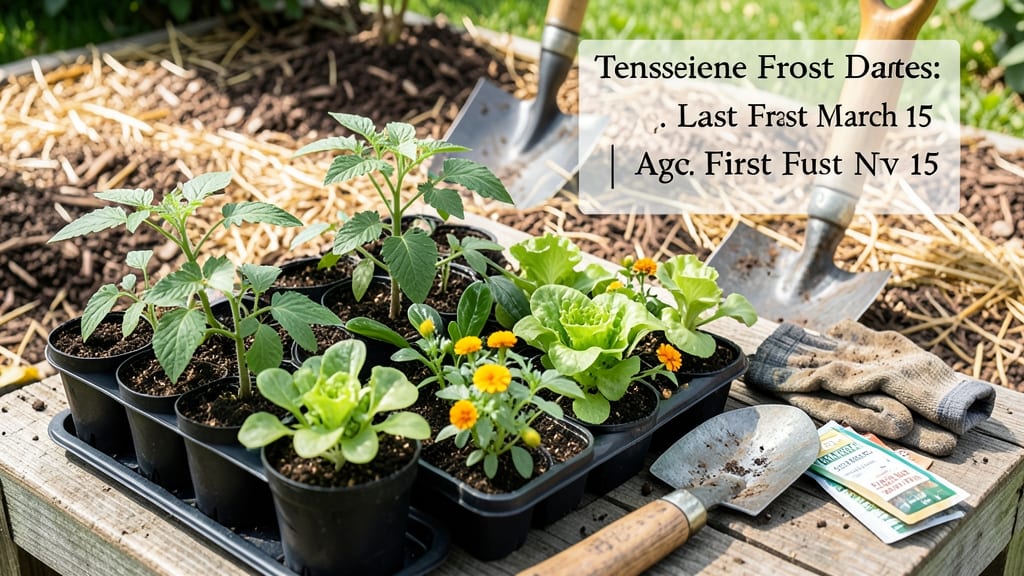
Planting your garden in Tennessee at the right time means the difference between a bountiful harvest and a season of frustration 🌱 — and the clock starts ticking after your last frost.
Tennessee’s diverse climate—from humid Appalachian valleys to hot Memphis summers—means planting your garden at the wrong time can turn your green thumb into a frustrated frown. Get the exact dates for your zone to maximize yields and avoid frost-killed dreams.
Cool-season crops like broccoli and spinach need to hit the soil 4-6 weeks before your last frost, while tomatoes and peppers wait until 2-3 weeks after to avoid wilting in the heat. Miss these windows, and you’re left with leggy seedlings or stunted growth.
Below, I break down Tennessee’s zone-specific deadlines, microclimate adjustments (mountains vs. cities), and 5 hacks to beat frost and heat—so you can plant with confidence and harvest like a pro.
Tennessee planting deadlines by Zone: last frost dates & heat-tolerant timing
Tennessee spans USDA Zones 6a-7b, meaning your planting schedule should shift dramatically from the cool mountain valleys of East Tennessee to the hot river valleys of West Tennessee. Missing the last spring frost can mean wilted seedlings, while planting heat-sensitive crops too early risks stunted growth.
Let’s break down the exact windows for your zone to ensure your garden thrives—not just survives.
In Zone 6a (e.g., Johnson City, Bristol), the average last frost date is April 15, giving you a 45-day window to plant cool-season crops like kale and peas before summer heat arrives.
Meanwhile, Zone 7b (e.g., Memphis, Nashville) enjoys a 30-day extension, with its last frost around April 1, allowing for earlier warm-season plantings like tomatoes and peppers. These differences matter—especially for frost-tender plants that need to establish roots before summer’s 90°F+ stretches.
Fall planting follows the opposite rule: Zone 6a’s first frost hits October 15, while Zone 7b holds out until November 1. This means you’ve got a 60-day window in Zone 6a to sow broccoli and carrots for a winter harvest, compared to Zone 7b’s 75-day extension. Miss these dates, and you’ll be left with bolted greens or frozen roots.
| Zone & Location | Last Spring Frost | First Fall Frost | Cool-Season Window | Warm-Season Window | Heat-Tolerant Crops |
|---|---|---|---|---|---|
| 6a (East TN: Johnson City, Bristol) | April 15 | October 15 | Feb 15–Apr 15 | May 1–Jun 15 | Okra, Sweet Potatoes, Southern Peas |
| 6b (Middle TN: Knoxville, Chattanooga) | April 1 | October 25 | Feb 1–Apr 1 | Apr 15–Jun 1 | Tomatoes, Peppers, Eggplant |
| 7a (Middle TN: Nashville, Murfreesboro) | March 25 | November 1 | Jan 15–Mar 25 | Mar 15–May 15 | Cucumbers, Corn, Basil |
| 7b (West TN: Memphis, Jackson) | March 15 | November 15 | Jan 1–Mar 15 | Feb 28–Apr 30 | Watermelon, Black-Eyed Peas, Okra |
For heat-sensitive crops like lettuce and spinach, aim to plant 4-6 weeks before your last frost. These greens bolt (go to seed) when temperatures hit 80°F, so Zone 7b gardeners should start them indoors by February 1 to avoid summer’s wrath.
Meanwhile, warm-season lovers like tomatoes and peppers need soil temps above 60°F—so wait until 2-3 weeks after your last frost to transplant them. In Zone 6a, that’s May 1; in Zone 7b, you can push it to April 15.
Pro tip: Use row covers to extend your cool-season window by 2-3 weeks in Zone 6a, protecting broccoli and cabbage from late frosts. Conversely, mulch heavily in Zone 7b to keep soil temps stable for okra and sweet potatoes, which thrive in 90°F+ heat.
These tweaks can mean the difference between a bountiful harvest and a disappointing yield.
Don’t overlook
How to adjust planting for Tennessee’s microclimates: mountains vs. cities vs. river valleys
Tennessee’s geography creates dramatic planting differences within just 100 miles. The Appalachian Mountains in East Tennessee can have 1,000-foot elevation shifts from Chattanooga to Knoxville, while urban heat islands in Nashville make nights 5°F warmer than rural areas.
River valleys like Memphis stretch growing seasons by 2-3 weeks thanks to humidity. These microclimates mean your neighbor’s planting schedule might kill your garden—or yours might fail theirs!
Your first step is identifying your microclimate. Mountain regions (e.g., Great Smoky Mountains) have cooler springs and later fall frosts, while river valleys (e.g., Memphis) stay warm longer. Cities like Nashville experience urban heat stress, forcing earlier planting of heat-sensitive crops.
Let’s compare how to adjust your timing for each scenario.
| Microclimate | Typical Planting Strategy | Aggressive Planting Strategy | Key Adjustments |
|---|---|---|---|
| Mountains (e.g., Knoxville, USDA 6b-7a) | Plant cool crops (lettuce, peas) by March 20; warm crops (tomatoes, peppers) after May 10. | Start warm crops indoors March 1; transplant 2 weeks earlier with row covers. | Use cold frames; extend fall planting to September 20. |
| Cities (e.g., Nashville, USDA 7a-7b) | Plant warm crops after April 15; cool crops by March 10. | Start heat-lovers (okra, sweet potatoes) by April 1; use shade cloth for greens. | Water deeply at night to combat heat stress; mulch heavily. |
| River Valleys (e.g., Memphis, USDA 7b-8a) | Plant warm crops after March 25; cool crops by February 20. | Extend fall planting to October 15; try tropical crops (eggplant, peppers). | Improve drainage; use drip irrigation to avoid fungal issues. |
For mountain gardens, focus on early spring prep and fall extensions. My trick? Use black plastic mulch in late winter to warm soil for tomatoes—this can shave 2 weeks off your planting timeline.
In cities, Nashville’s heat demands shade-tolerant greens like Swiss chard or kale, which handle 90°F+ days better than lettuce.
River valleys like Memphis reward bold planting. I’ve seen squash and beans thrive when planted by March 1—something impossible in the mountains.
The key? Drainage: Clay soils here stay soggy, so raise beds or add compost to prevent root rot. Succession planting every 2 weeks ensures a steady harvest through October.
Pro tip: Test your microclimate with a minimum-maximum thermometer for 2 weeks. Note when temps hit 50°F at night (safe for tomatoes) or 80°F during the day (ideal for peppers).
Adjust your schedule based on real data—not your neighbor’s! For example, my Chattanooga garden (Zone 7a) can plant cucumbers by April 20, while a Memphis friend starts theirs March 15.
Don’t let Tennessee’s microclimates confuse you—lean into them. Mountain gardeners race the frost with early starts, city dwellers beat the heat with shade, and valley growers stretch seasons with bold choices.
With these adjustments, you’ll turn your microclimate into a competitive advantage instead of a challenge. Happy planting! 🌱