
Plants
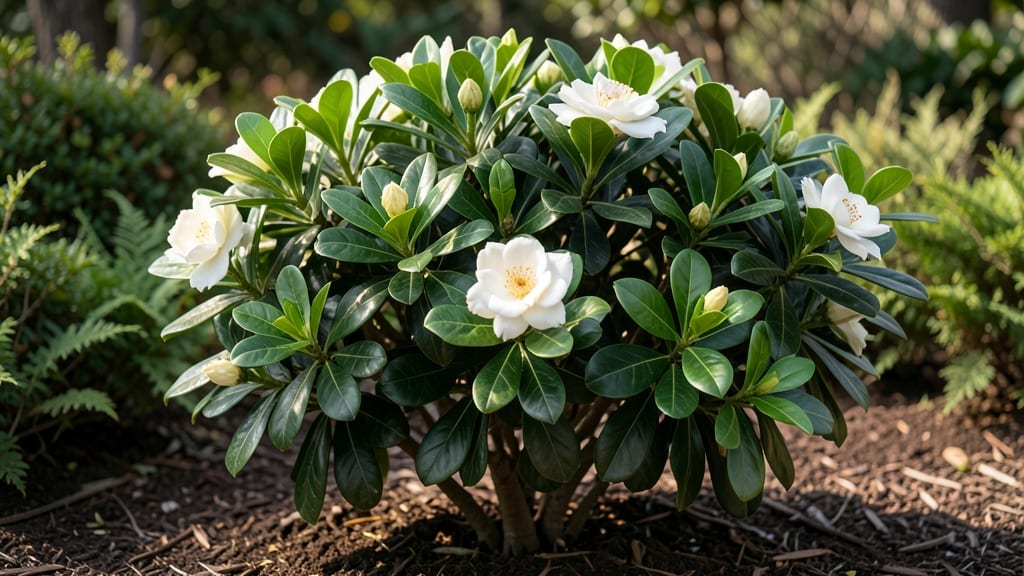
A gardenia plant thrives in partial shade—bright, indirect light that keeps its leaves lush and blooms fragrant, but not the harsh sun that scorches its delicate petals 🌸.
Struggling to get your gardenia to bloom? The battle between sun and shade might be the secret weapon you’ve been missing—discover the exact light balance these fragrant divas crave.
Too much sun? You’ll see crispy leaf edges and faded blooms. Too little? Your plant might grow leggy with sparse flowers. The key is finding that sweet spot—morning sun for energy, afternoon shade for protection—especially in hotter climates like USDA Zone 6a where afternoon rays can be brutal.
In this guide, I’ll break down the ideal light mix, regional tweaks, and how to spot when your gardenia is getting it just right (or wrong). Ready to unlock those show-stopping blooms?
 Best Window Placement
Gardenia plant sun requirements: how much light for optimal blooms?
If your gardenia plant is throwing tantrums—dropping buds or sporting pale leaves—it’s likely screaming for the right light balance. These tropical beauties thrive in bright, indirect sunlight, but too much sun can scorch their delicate foliage, while too little shade stunts their iconic fragrant blooms.
The magic number? 4-6 hours of morning sun paired with afternoon shade. This sweet spot ensures lush growth and abundant, heavily scented flowers that’ll make your garden smell like a tropical paradise.
Think of gardenias as divas who love the spotlight but hate the heat. Morning sunlight (6 AM–12 PM) fuels photosynthesis, while afternoon shade (12 PM–6 PM) prevents leaf burn.
In hot climates like USDA Zones 8-10, this rule becomes even more critical—direct afternoon sun can turn leaves crispy in minutes. Even in cooler zones, gardenias will reward you with 30-50% more blooms when given this light rhythm.
Here’s the hard data on sunlight for peak performance: Gardenias exposed to 4-6 hours of filtered light daily produce 2-3 times more flowers than those in deep shade or scorching sun.
Studies show their fragrance intensity also peaks under these conditions—so if your gardenia smells faint, it’s time to tweak its light exposure. The key is mimicking their natural understory habitat, where they’d bask in dappled sunlight under taller trees.
| Light Condition | Daily Sun Hours | Growth Impact | Bloom Impact | Fragrance Intensity | Best For |
|---|---|---|---|---|---|
| Full Sun (6+ hrs) | 6-8 hours | Leaf burn risk; stunted growth | Fewer, smaller blooms | Weak or nonexistent | Hot, dry climates (with afternoon shade) |
| Partial Sun (4-6 hrs) | 4-6 hours (morning sun) | Healthy, glossy foliage | Abundant, large blooms | Peak intensity (tropical scent) | Ideal for most gardenias |
| Partial Shade (2-4 hrs) | 2-4 hours (filtered light) | Slow growth; leggy stems | Moderate blooms (smaller) | Mild fragrance | Indoor or heavily shaded gardens |
| Deep Shade (<2 hrs) | <2 hours | Pale, sparse leaves | Very few or no blooms | Little to no scent | Avoid for outdoor gardenias |
Your gardenia’s location matters more than you think. East-facing windows or patios are perfect because they offer gentle morning sun without the harsh afternoon rays. If you’re growing gardenias in containers, rotate them weekly so all sides get even light—this prevents lopsided growth and ensures balanced blooming.
Pro tip: Use a sheer white curtain on south-facing windows to diffuse light without blocking airflow.
Watch for these red flags that your gardenia isn’t getting the right light: Yellowing leaves often signal too much sun, while dark green but sparse foliage means it’s craving more light. Bud drop before flowering? That’s usually a sign of stress from inconsistent light.
Even worse, bleached or crispy leaf edges mean your plant is sunburned—move it to a shadier spot immediately. The good news? Gardenias are forgiving if you catch these signs early.
Regional tweaks are essential. In hot, humid climates (like Florida or Southern California), gardenias need afternoon shade from 12 PM–4 PM to survive. In cooler zones (like USDA Zone 6), they can handle more morning sun since afternoon shade is less critical.
If you’re in a cloudy, rainy climate, supplement with a grow light for 4-6 hours daily to mimic sunlight. LED grow lights with a 5000K-6500K color temperature work best for gardenias.
Pruning plays a surprising role in light management. Thin out dense foliage every spring to improve airflow and let light penetrate to inner branches. This encourages blooms on older wood (gardenia flowers form on last year’s growth).
Aim to create an open, airy canopy—this not only boosts light exposure but also reduces humidity-related diseases like powdery mildew. Just avoid heavy pruning in late summer, as new growth won’t have time to harden off before winter.
For container gardenias, choose pots with good drainage and place them where they’ll get morning sun and afternoon shade. Dark-colored containers absorb heat, which can stress roots—opt for terracotta or light-colored plastic instead.
If your patio gets intense afternoon sun, use a lattice or trellis to create shade while keeping air circulating. Even a large umbrella can save your gardenia from heat stress during peak summer hours.
Remember, gardenias are not low-light plants—they’re light-loving divas that need the right balance. If you’re struggling with blooms, start by moving your plant to a brighter spot with morning sun, then monitor for improvements over 4-6 weeks.
With the perfect light recipe, your gardenia will reward you with glossy leaves and intoxicating blooms that’ll make your garden the envy of the neighborhood.
Shade-tolerant gardenia care: how to grow in low-light conditions
Gardenias thrive in bright, indirect light, but many gardeners struggle when growing them indoors or in heavily shaded outdoor spots. The key is adapting their care to mimic their natural partial shade preferences.
With the right container selection, soil amendments, and humidity control, you can coax even shade-loving varieties like Gardenia jasminoides ‘Kleim’s Hardy’ into blooming beautifully. Let’s break down the essentials to keep your gardenia happy in low-light conditions.
First, choose a container with drainage holes—gardenias hate soggy roots, even in shade. Terracotta pots work well because they warm up slightly from indoor heat, while plastic containers retain moisture longer. If growing outdoors in shade, opt for a lightweight, breathable fabric pot to prevent root rot.
The right container isn’t just about drainage; it’s also about root health in environments where sunlight is scarce.
⚠️ callout-warning
Next, focus on soil amendments to compensate for low light. Gardenias need acidic, well-draining soil with a pH of 5.0-6.5. Mix in peat moss or pine bark fines to improve aeration and retain moisture without suffocating roots.
A slow-release fertilizer like 10-10-10 (applied every 6-8 weeks) will give your plant the nutrients it needs to thrive in less-than-ideal light. Think of it as giving your gardenia a nutritional boost to make up for the lack of sunlight.
Humidity is another critical factor for shade-grown gardenias. These tropical plants love 60-70% humidity, but indoor air is often much drier. Place a humidifier nearby or set your pot on a tray filled with pebbles and water to create a microclimate.
Mist the leaves daily in dry climates, but avoid wetting the flowers to prevent fungal issues. A simple grouping of plants near a bathroom or kitchen (where humidity naturally rises) can also work wonders.
If your gardenia is in a windowless room or deep shade, consider artificial lighting. A full-spectrum LED grow light placed 12-18 inches above the plant for 12-14 hours daily can mimic sunlight. Position the light to cover the plant’s canopy evenly, and adjust the height as it grows.
For best results, use a timer** to maintain consistency—gardenias respond poorly to erratic light cycles, even in shade.
Finally, prune strategically to encourage airflow and light penetration. Remove any dead or crowded branches in early spring, and trim back leggy growth to promote a fuller, bushier shape. This isn’t just about aesthetics; it’s about ensuring the center of the plant gets enough light, even in shade.
With these adjustments, your gardenia can still produce fragrant blooms—you just need to work a little harder to compensate for the lack of natural light.