
Fertilization
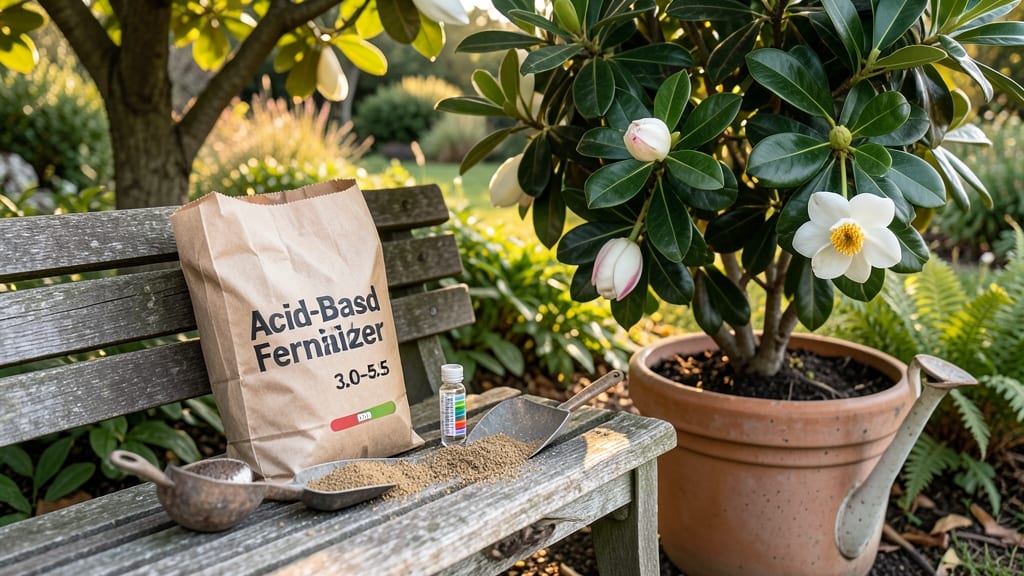
Your gardenias need an acid-based fertilizer to unlock their full potential—think of it as the pH-specific fuel that turns yellowing leaves into glossy, fragrant blooms 🌸.
Struggling to keep your gardenias blooming year after year? The secret lies in their soil pH—gardenias thrive only in acidic conditions (4.5-5.5), and without the right acid-based fertilizer, their leaves yellow, buds drop, and growth stalls.
Most gardeners overlook the science behind feeding these tropical favorites, assuming any fertilizer will do. But gardenias are picky—they crave nutrients like iron and manganese that only dissolve in acidic soil, and a standard fertilizer can actually harm them by raising the pH.
In this guide, I’ll break down the best acid-based fertilizers for gardenias, how often to apply them, and the telltale signs your plant is begging for a pH adjustment—so you can finally enjoy those signature white blooms all season long.

How acid-based fertilizers work to revitalize gardenias (pH science explained)
Gardenias are acid-loving plants that require a soil pH between 4.5 and 5.5 to thrive. When the pH rises above 6.0, essential nutrients like iron, manganese, and phosphorus become locked in the soil, causing yellowing leaves, bud drop, and stunted growth.
Acid-based fertilizers lower pH while delivering nutrients in a form gardenias can absorb efficiently.
The key lies in chelated nutrients—micronutrients bound to organic molecules that remain soluble in acidic soil. Unlike alkaline fertilizers, which raise pH and reduce nutrient availability, acid-based fertilizers enhance nutrient uptake by keeping the soil environment optimal.
This is why gardenias often show dramatic improvement within weeks of proper acid fertilization.
| pH Level | Nutrient Availability | Gardenia Health | Recommended Action |
|---|---|---|---|
| Below 4.5 | Aluminum & manganese toxicity | Brown leaf tips, stunted growth | Add lime (calcium carbonate) to raise pH |
| 4.5-5.5 | Optimal iron, phosphorus, manganese | Vibrant blooms, dark green leaves | Apply acid-based fertilizer monthly (spring-fall) |
| 5.6-6.0 | Reduced iron & manganese uptake | Yellow leaves (chlorosis), weak stems | Add sulfur or iron sulfate to lower pH |
| Above 6.0 | Nutrient lockout (phosphorus, iron) | Bud drop, leaf scorch, no blooms | Apply elemental sulfur (1 lb per 100 sq ft) |
The most effective acid-based fertilizers for gardenias include iron sulfate, which both lowers pH and provides iron, and sulfur-coated urea, which releases nitrogen slowly while acidifying the soil. Organic options like cottonseed meal or blood meal also work well, though they require more frequent application.
Citrus-based fertilizers (like lemon peel tea) are popular but less potent—ideal for maintenance feeding rather than correcting pH issues.
When applying acid-based fertilizers, always water the soil first to prevent root burn. For established gardenias, spread 1 tablespoon of granular acid fertilizer around the root zone every 4-6 weeks during the growing season (spring through fall).
In containers, reduce the dose to ½ teaspoon per gallon of soil to avoid over-acidification, which can harm beneficial soil microbes.
One common mistake is assuming more acid equals better growth. Over-acidification (pH below 4.5) causes aluminum toxicity, leading to brown leaf tips and poor root function. To test your soil, use a digital pH meter or send a sample to a local extension office.
Aim to adjust pH gradually, changing no more than 0.5 pH units per month.
Gardenias also benefit from organic matter like pine bark fines or peat moss, which naturally lower pH while improving soil structure. Mix 2-3 inches of organic mulch into the topsoil annually to maintain acidity without harsh chemicals.
This approach mimics their natural tropical forest habitat, where acidic leaf litter keeps the soil ideal for growth.
For houseplant gardenias, use a balanced acid fertilizer (like 6-6-6) diluted to half-strength every 6-8 weeks. Avoid liquid fertilizers with high salt content, as they can accumulate in pots and damage roots. Instead, opt for slow-release granules mixed into the soil during repotting to provide steady nutrition.
Remember, gardenias are heavy feeders during bloom season (late spring to summer). If you notice yellowing leaves between veins, it’s a classic sign of iron deficiency—apply a chelated iron supplement immediately.
For bud drop, the issue is often phosphorus deficiency, which responds well to bone meal or superphosphate applied in early spring.
By understanding how pH affects nutrient availability and choosing the right acid-based fertilizers, you’ll transform your gardenias from struggling shrubs to bloom-producing powerhouses. Start with a soil test, adjust the pH gradually, and feed consistently—your gardenias will reward you with fragrant, glossy blooms all season long. 🌸
Monthly acid-based fertilizer schedule for gardenias (by season & bloom cycle)
Gardenias follow a natural growth cycle that directly impacts when—and how often—they need acid-based fertilizer. Unlike most plants, their nutrient needs shift dramatically with seasonal changes, bloom stages, and even climate conditions.
Skipping this schedule can lead to yellowing leaves, bud drop, or stunted growth, even if your soil pH is correct.
I’ve designed this feeding plan based on three key phases: vegetative growth (spring), peak flowering (summer), and recovery (fall). Each phase requires a different fertilizer type and application frequency to maximize blooms without overloading the plant.
For example, iron sulfate boosts green growth in spring, while citrus-based fertilizers support blooming in summer.
No fertilizer needed
Apply iron sulfate or peat-based fertilizer every 4 weeks
Switch to citrus-based fertilizer (high in phosphorus) every 3 weeks
Feed every 4 weeks with acid-loving fertilizer (e.g., 6-6-6 NPK)
Light feeding with sulfur-coated urea every 6 weeks
Apply organic matter (e.g., pine needles) to maintain acidity
For potted gardenias, halve the fertilizer dose but follow the same seasonal timing. Container plants dry out faster, so always water deeply after feeding to prevent root burn.
Pro tip: Mix a 1 tbsp of Epsom salt (magnesium sulfate) into your spring fertilizer to prevent chlorosis—a common issue in alkaline soils.
If your gardenias are houseplants, adjust the schedule to match indoor lighting cycles. Reduce summer feedings by 50% if they’re not blooming, as excess nutrients can stress indoor plants. Always apply fertilizer to moist (not soggy) soil to avoid damaging delicate roots.
Monitor your gardenias’ response closely. Healthy leaves and abundant blooms confirm you’re on track, while yellowing between veins signals iron deficiency—time to boost your acid fertilizer with chelated iron. With this schedule, your gardenias will reward you with fragrant blooms year after year.