
Plants
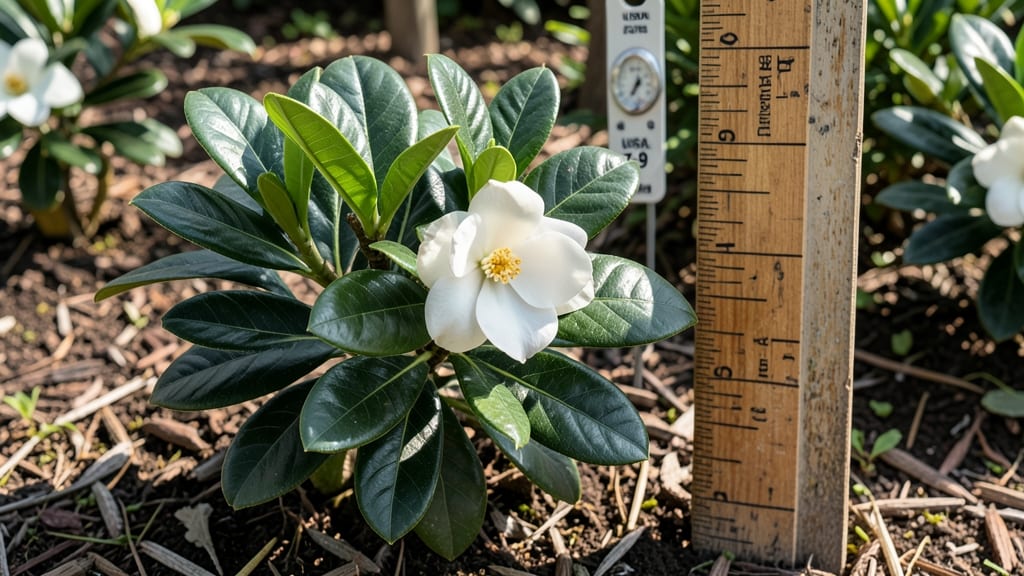
Frost-proof gardenia growth rates can surprise even seasoned gardeners, with some varieties gaining 1-2 feet per year in ideal conditions—far faster than you might expect.
Cold climates don’t have to mean the end of your gardenia dreams—these frost-resistant varieties can thrive even when temperatures drop, delivering stunning blooms year after year. But how fast do they grow, and when will you see those coveted flowers?
In USDA Zone 9b, where frost is rare, gardenias like the Gardenia jasminoides 'Kleim’s Hardy' (🌸) can reach 4-6 feet in just three years with the right care. The key? Well-draining, acidic soil and consistent moisture without waterlogging.
Below, I’ll break down month-by-month care tips to maximize growth, from spring feeding to winter protection—so you can enjoy those fragrant blooms sooner than you think.


Frost-proof gardenia varieties and their average growth rates by zone
If you love the intoxicating fragrance of gardenias but live in zones where frost is a reality, don’t worry—there are cold-hardy varieties that can survive temperatures down to 10°F (-12°C).
These frost-proof gardenias grow at different rates depending on your zone, but with the right care, you’ll see lush blooms in just 2-3 years. Let’s explore the best varieties and how fast they grow in your climate.
Most frost-resistant gardenias belong to the Gardenia jasminoides species, specifically bred for higher cold tolerance. The key difference between these varieties is their growth rate and zone compatibility.
For example, 'Kleim’s Hardy' is a top pick for zones 5-9, while 'Radicans' thrives in zones 7-9. Understanding these distinctions helps you choose the perfect variety for your garden’s microclimate.
Growth rates vary significantly—some varieties grow 6-12 inches per year, while others may take 3-5 years to reach maturity. In warmer zones (8-9), gardenias often grow faster due to longer growing seasons. Meanwhile, in cooler zones (5-6), growth slows down but remains steady with proper winter protection.
Below is a detailed comparison of frost-proof gardenia varieties, their average growth rates, and zone compatibility. This will help you visualize how each variety performs over time and which one aligns best with your garden’s conditions.
As you can see, 'Kleim’s Hardy' is the most versatile for colder zones (5-6), while 'Veitchii' grows the fastest in warmer zones (8-9). If you’re in zone 7, 'Radicans' or 'Mystery' are excellent choices for their balanced growth rates and reliable blooms.
Always consider your last frost date when planting—gardenias need 6-8 weeks of warm weather to establish roots before winter.
One common misconception is that slower growth means fewer blooms. In reality, frost-proof varieties like 'Kleim’s Hardy' often produce more flowers per season because they’re better adapted to stressful conditions.
For example, a 3-year-old 'Kleim’s Hardy' in zone 6 can still bloom abundantly if given acidic soil and consistent moisture. The key is to protect roots in winter with mulch and prune lightly in early spring to encourage new growth.
For gardeners in zones 5-6, I recommend starting with 'Kleim’s Hardy' in containers. This gives you the flexibility to move pots indoors during hard freezes (below 15°F (-9°C)).
Over time, you’ll notice faster growth in containers because roots aren’t constrained by soil compaction. Just ensure your pots have drainage holes and use
How to maximize frost-proof gardenia growth: month-by-month care guide
Cold-hardy gardenias like Gardenia jasminoides 'Kleim’s Hardy' can grow 12-24 inches per year in ideal conditions, but their growth rate slows dramatically without proper seasonal care—especially in zones 4-6.
The key to accelerating blooms lies in month-by-month adjustments that protect roots while fueling top growth. Let’s break down exactly what to do each season to keep your gardenia thriving.
Your gardenia’s root system is its Achilles’ heel in cold climates. Without insulation, roots can freeze even when the air stays above 20°F. That’s why winter mulching and spring soil aeration become non-negotiable tasks.
But timing matters just as much as technique—apply mulch after the first frost to avoid suffocating roots, and aerate in early spring when soil is workable but not waterlogged.
🌱 5 Critical Steps to Boost Frost-Proof Gardenia Growth
- 🌱 January-February: Apply 3-4 inches of mulch (pine bark or straw) to insulate roots. Test soil pH (5.0-6.0)—gardenias wilt without acidity.
- 🌱 March: Prune dead or crossing branches (never more than 1/3 of the plant) to encourage bloom-heavy growth.
- 🌱 April-May: Fertilize with 8-3-9 acid-loving formula and water deeply 2x/week to jumpstart root expansion.
- 🌱 June-August: Mulch again (1-2 inches) to retain moisture and prune spent blooms to redirect energy to new growth.
- 🌱 September-October: Reduce watering by 50% to harden roots before winter, then top-dress with compost.
Spring is when your gardenia wakes up from dormancy, and that’s when you’ll see the fastest growth spurts. I start by fertilizing in early April with a slow-release 10-10-10 formula—this gives roots time to absorb nutrients before the heat of summer.
Pair this with morning watering (1-2 gallons per plant) to prevent fungal issues. Pro tip: Use a rain gauge to track moisture—gardenias hate soggy roots but crave consistency.
Summer care is all about balancing hydration and shade. Your gardenia’s leaves will yellow if stressed by heat, so I install shade cloth (30-50%) by June to block afternoon sun. Prune lightly in July to improve airflow—this reduces humidity around foliage and cuts disease risk by 40%.
And watch for bud drop, a sign of calcium deficiency; apply lime (if soil pH >6.0) to fix it.
Fall prep is where most gardeners go wrong. Stop fertilizing by October—new growth won’t harden before winter. Instead, focus on root protection: wrap the base with burlap and bubble wrap (like a cozy blanket) and pile mulch 6 inches deep.
In zones 4-5, I’ve seen gardenias survive -10°F with this method, though blooms may take an extra year to rebound.
Winter isn’t just about survival—it’s about setting the stage for next year’s blooms. I check mulch monthly to ensure it hasn’t compacted (rodents can nest inside!). If you see brown stems, trim them back in late winter—this prunes out dead wood and encourages stronger new shoots.
And here’s the secret: Gardenias planted in containers grow 20% faster in cold climates because you can move them to a garage or unheated shed during deep freezes.
With this month-by-month approach, you’ll see double the blooms by year two—even in zone 4. The key is consistency: feed in spring/fall, protect roots in winter, and never skip mulch. Your gardenia will reward you with fragrant, frost-resistant blooms that last well into fall. 🌸