
Light Requirements
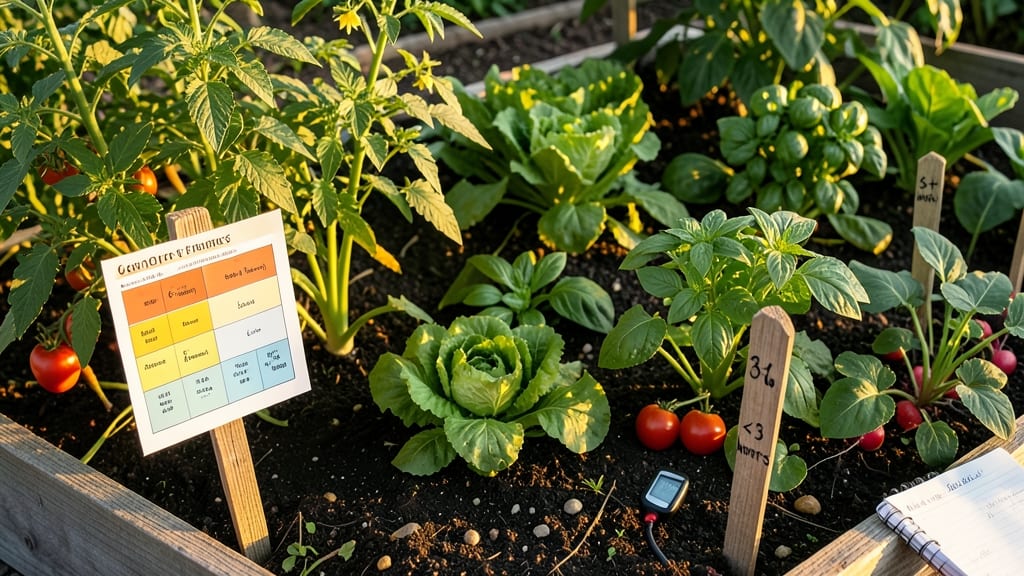
To grow a thriving vegetable garden, you’ll need to know how much sun for a vegetable garden—most crops thrive with 6 to 8 hours of sunlight daily, though some tolerate less, and getting the balance right makes all the difference.
Struggling to decide how much sunlight your vegetable garden needs? Too little sun means poor harvests, while too much can scorch your plants—getting it right is the key to thriving crops.
Sunlight isn’t just about hours; it’s also about intensity, which shifts with the seasons and your location. A south-facing spot in your yard might get full sun in summer but only partial sun in winter, and that affects what you can grow.
In this guide, I’ll break down the exact light needs for your favorite vegetables, from leafy greens to heavy producers, and share smart ways to maximize sunlight—even in small spaces or shady spots.

Sunlight requirements for vegetable gardens: full sun vs partial shade explained
Understanding sunlight requirements is the foundation of a successful vegetable garden. Most vegetables thrive with direct sunlight exposure, but the exact hours vary dramatically between crops. Full sun means 6+ hours of unfiltered sunlight daily, while partial shade offers 3-6 hours, and shade provides less than 3 hours.
Getting this right prevents stunted growth or sunburned leaves.
Sunlight isn't just about hours—it's also about intensity and angle. In summer, the sun sits higher in the sky, delivering stronger light, while winter sunlight is softer but lasts longer. Your location's latitude and nearby structures (like fences or trees) also affect how much light reaches your plants.
For example, a garden in Southern California gets more intense sun than one in Pacific Northwest, even with similar hour counts.
Here’s how to categorize your garden’s sunlight conditions and match them to the right vegetables:
| Sunlight Category | Daily Sunlight Hours | Ideal Vegetables | Seasonal Adjustments |
|---|---|---|---|
| Full Sun | 6+ hours | Tomatoes, Peppers, Cucumbers, Corn, Beans | Use shade cloth in peak summer if temps exceed 90°F |
| Partial Shade | 3-6 hours | Lettuce, Spinach, Kale, Green Onions, Radishes | Morning sun + afternoon shade works best |
| Shade (<3 hours) | <3 hours | Swiss Chard, Arugula, Microgreens, Bok Choy | Grow under dappled tree shade or use grow lights |
| Low Light (Indoor) | 2-4 hours (grow lights) | Herbs (Basil, Parsley), Dwarf Peppers, Compact Lettuce | Supplement with 12-16 hours of LED grow lights |
Most warm-season vegetables like tomatoes and peppers demand full sun to produce fruit. Without enough light, they’ll grow lush foliage but few (if any) tomatoes or peppers. Meanwhile, cool-season crops such as lettuce and spinach tolerate partial shade and may even bolt (go to seed prematurely) in hot, direct sun.
This is why timing matters—plant sun-loving crops in spring or fall when sunlight is less intense.
Your garden’s microclimate plays a huge role. A south-facing plot gets the most sun, while north-facing areas receive minimal light. Even a 5-foot fence can cast enough shade to reduce sunlight by 30-50% for nearby plants.
Use a sunlight tracker app or place a white board in your garden for a week to measure actual light exposure—this data is more accurate than guessing.
Seasonal shifts also demand adjustments. In summer, even full-sun plants may need afternoon shade to prevent wilting, while winter sunlight is gentle enough that partial-shade crops can handle more exposure.
For example, a bush bean planted in June might need afternoon shade, but the same plant in May could thrive in full sun. Pay attention to how your garden changes with the seasons.
If your space has uneven sunlight, strategically place taller plants (like corn or sunflowers) on the north side to avoid shading shorter crops. Container gardens offer flexibility—simply move pots to sunnier spots as needed.
For example, I keep my herb containers on a rolling tray so I can rotate them toward morning sun in summer and extend their light exposure in winter.
Remember, light quality matters too. Direct sunlight provides the full spectrum of light, while filtered or reflected light (like off a white wall) is less effective. If your garden lacks natural light, grow lights can supplement, especially for leafy greens.
For the best results, combine natural light with proper spacing—crowded plants compete for sunlight, leading to weaker growth.
Start by assessing your garden’s sunlight conditions today. Note which areas get morning sun, afternoon shade, or full-day exposure. Then, match your vegetable choices to these zones. With the right balance, you’ll avoid the frustration of poor harvests and enjoy a thriving garden all season long. 🌱
Best vegetables for low-sun vs high-sun gardens: crop-specific sunlight needs
Not all vegetables thrive under the same sunlight conditions. Some love basking in full sun for 6+ hours daily, while others prefer partial shade with just 3-6 hours.
Matching your plants to their ideal light conditions ensures healthier growth and better yields. Let’s break down the best crops for each scenario.
For sun-loving vegetables, think tomatoes, peppers, and eggplants. These need 6-8+ hours of sun to produce fruit. On the flip side, leafy greens like spinach and root vegetables like carrots can handle partial shade or even low-light conditions. Understanding these needs helps you maximize your garden’s potential.
- 🌞 Full Sun (6-8+ hours): Tomatoes, Peppers, Eggplants, Corn, Cucumbers, Squash, Beans, Okra
- 🌿 Partial Sun (3-6 hours): Lettuce, Kale, Swiss Chard, Spinach, Radishes, Beets, Green Onions, Herbs (Basil, Parsley)
- 🌳 Low Sun (<3 hours): Arugula, Endive, Radicchio, Microgreens, Peas (early stages), Lettuce (butterhead varieties)
If your garden gets less than 6 hours of sun, focus on leafy greens and root crops. These plants prioritize leaf and root development over fruiting, making them perfect for shadier spots.
For example, spinach and kale grow well with just 3-4 hours of sunlight and can even tolerate dappled shade from trees.
For high-sun gardens, prioritize fruiting vegetables like tomatoes and peppers. These plants need intense sunlight to produce flowers and fruit. Place them in the sunniest part of your yard, ideally near a south-facing fence or wall for extra heat.
If you’re growing cucumbers or squash, give them at least 6 hours of sun and plenty of space to sprawl.
Don’t forget about herbs like basil and parsley, which thrive in partial sun. These can handle 4-6 hours of sunlight and are great for adding flavor to your garden without demanding full sun.
If your garden has uneven sunlight, use containers or raised beds to move plants as needed throughout the day.
For container gardens, choose compact varieties of sun-loving plants like bush beans or cherry tomatoes. These can thrive in small spaces with adequate sunlight.
If your balcony or patio gets only a few hours of sun, opt for shade-tolerant herbs like mint or cilantro, which can grow happily with minimal light.
Remember, seasonal changes affect sunlight exposure. In summer, days are longer, so your plants get more light. In winter, shorter days mean less sunlight—adjust your planting plan accordingly. Rotate crops each season to balance sun exposure and keep your garden productive year-round.