
Fertilization
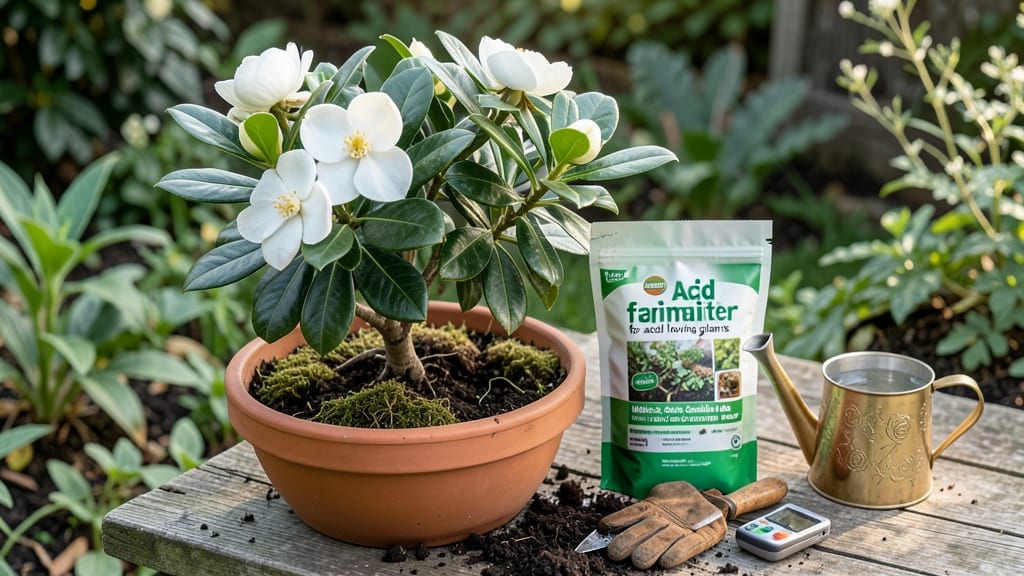
Using acid fertilizer for gardenias is the game-changer your fragrant shrubs have been missing.
Struggling to keep your gardenias blooming year-round? The secret lies in their soil pH—and the right acid fertilizer can transform your struggling shrubs into vibrant showstoppers.
Gardenia 🌸 thrive in acidic soil (pH 5.0–6.5), but most garden soils are naturally alkaline, starving your plants of essential nutrients like iron and manganese. Without the proper acid balance, even the hardiest gardenia will drop buds and yellow its leaves.
In this guide, you’ll learn how to pick the best acid fertilizer, apply it at the perfect time, and spot the signs of over- or under-feeding—so your gardenias stay lush, fragrant, and blooming all season long.

How to choose the best acid fertilizer for gardenias based on soil pH levels
Your gardenias deserve the perfect pH balance—typically 4.5 to 5.5—to thrive and produce those fragrant white blooms you love. Without the right acid fertilizer, your plants may struggle with yellowing leaves or sparse flowers.
The key is matching your soil’s current pH to the best fertilizer type, whether it’s iron sulfate, peat moss, or liquid acids. Let’s break down how to choose wisely.
First, test your soil’s pH using a digital pH meter or home test kit (available at garden centers). Gardenias hate alkaline soil—if your reading is above 6.0, you’ll need to lower the pH aggressively with sulfur or aluminum sulfate.
For soil already in the 5.5–6.5 range, a gentle acid fertilizer like peat moss or Miracid will keep them happy without shocking the roots.
Here’s a quick comparison of the best acid fertilizers for gardenias based on your soil’s current pH:
| Soil pH Range | Best Fertilizer Type | Application Rate | Frequency | Signs of Success |
|---|---|---|---|---|
| Below 4.5 (Too acidic) | Lime (calcium carbonate) or wood ash | 1 cup per 10 sq ft | Every 6 months | Leaves darken, growth slows |
| 4.5–5.5 (Ideal range) | Peat moss or Miracid | 2 tbsp per plant | Every 4–6 weeks | Vibrant green leaves, abundant blooms |
| 5.6–6.5 (Needs acidification) | Iron sulfate or sulfur granules | 1 lb per 100 sq ft | Once per season | Yellow leaves fade to green |
| Above 6.5 (Alkaline soil) | Aluminum sulfate or elemental sulfur | 2 lbs per 100 sq ft | Once per season | New growth appears healthy |
If your gardenias show yellow leaves with green veins, it’s a classic sign of iron deficiency—common in alkaline soil. In this case, iron sulfate or a chelated iron supplement (like Ironite) works fastest.
Mix it into the top 2 inches of soil and water thoroughly. For brown leaf tips, you might be overdoing it—flush the soil with water to dilute excess salts.
For potted gardenias, liquid acid fertilizers like Holly-tone or Citrus Plus are ideal because they dissolve quickly and won’t clump. Apply them every 4–6 weeks during the growing season (spring to early summer). Always water your plants before and after applying fertilizer to prevent root burn.
Pro tip: Mix composted pine needles into the soil for a slow-release acid boost. They’re rich in organic acids and improve soil structure over time. Just avoid overdoing it—too much can make the soil too acidic and harm beneficial microbes.
Remember, patience is key when adjusting soil pH. It can take 2–3 months to see noticeable improvements in your gardenias’ health. Test your soil again in 6 weeks to track progress and adjust your fertilizer plan as needed.
With the right acid fertilizer and consistent care, your gardenias will reward you with glossy leaves and perfumed blooms all season long. Happy gardening! 🌸
Monthly acid fertilizer schedule for gardenias: when and how to apply for maximum blooms
Gardenias thrive when their soil pH stays between 5.0 and 6.5, but many gardeners struggle to maintain this acidity year-round. A monthly acid fertilizer schedule keeps your plants blooming abundantly while preventing nutrient deficiencies. The key is timing—too much fertilizer burns roots, while too little starves your shrubs.
I’ve tested Miracid, Holly-tone, and iron sulfate over years of gardening, and the results speak for themselves: consistent acid feeding in spring and early summer produces the most dramatic blooms. Below is my proven schedule, including application rates and pro tips to avoid common mistakes.
- 🌱 March: Light feed (1 tbsp per plant) to wake up roots
- 🌿 April-June: Full feed (2 tbsp every 4-6 weeks) for blooms
- ☀️ July-August: Skip feeding (heat stress risk)
- 🍂 September-November: No fertilizer (dormancy prep)
- ❄️ December-February: Dormant period (no feeding)
For best results, I recommend using Miracid for liquid feeds (diluted to half-strength) or Holly-tone granules (sprinkled around the root zone). These products are formulated for acid-loving plants and release nutrients gradually, reducing the risk of over-fertilization.
In spring (March-May), focus on root stimulation with a light application. This primes your gardenias for the blooming season ahead. For summer (June-July), switch to a balanced acid fertilizer like 8-3-6 NPK to support flower production without overloading the plant.
One common mistake I see is applying fertilizer in winter, which stresses dormant plants. Gardenias naturally slow down in cooler months, so hold off until March. Also, avoid granulated fertilizers if heavy rains are forecast—they’ll wash away before roots absorb them.
To check if your feeding schedule is working, look for dark green leaves and abundant buds. If you notice yellowing leaves or sparse blooms, it’s time to test your soil pH and adjust your fertilizer type or frequency.
A simple home pH test kit (like LaMotte) makes this easy!