
Fertilization
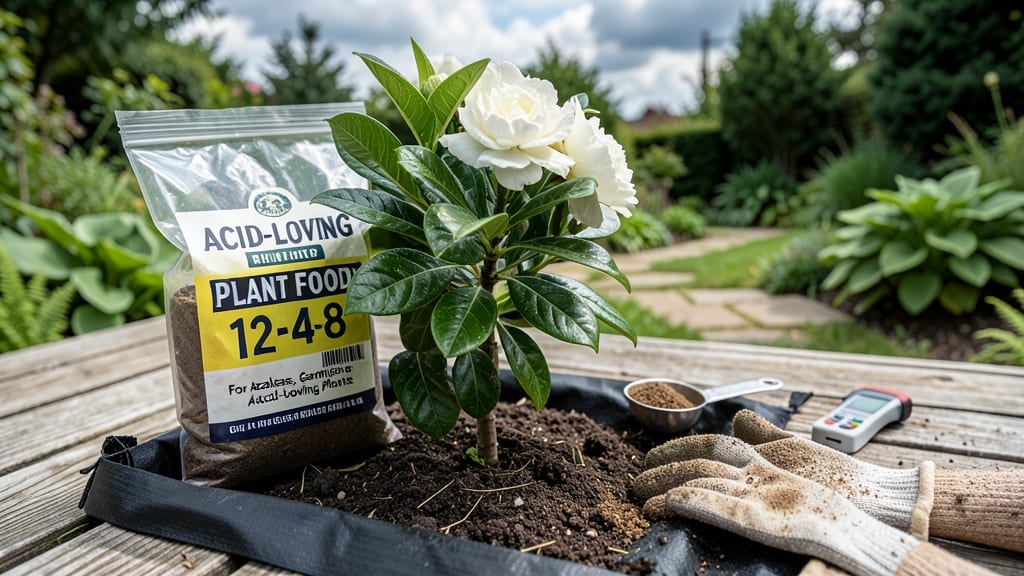
Gardenias thrive with acidic nitrogen fertilizer 🌸—the key to those glossy leaves and fragrant blooms you love.
Your gardenias are struggling—yellowing leaves, sparse blooms, and a lackluster appearance—but the solution might be simpler than you think. Acidic nitrogen fertilizer isn’t just a quick fix; it’s the secret weapon gardenias crave to thrive, and we’ll show you exactly how to use it right.
Most gardeners overlook the soil’s pH balance, assuming any fertilizer will work. But gardenias in USDA Zones 9-11 demand a specific type of nitrogen—one that’s both acidic and gentle. Too much synthetic nitrogen can burn roots, while too little leaves them weak and unable to bloom.
In this guide, you’ll learn which fertilizers to avoid, how to test your soil’s acidity, and the exact timing for feeding—so you can revive your gardenias without the guesswork. Let’s get those leaves vibrant again!
Why gardenias need acidic nitrogen fertilizer (and how to spot deficiency)
Gardenias thrive when their soil pH stays between 5.0 and 6.0, creating an acidic environment that mimics their natural tropical habitats. This acidic soil condition isn’t just about pH—it’s also about the type of nitrogen fertilizer they absorb.
Gardenias prefer organic, slow-release nitrogen that breaks down gradually, feeding roots consistently without shocking the plant.
Most gardeners reach for synthetic fertilizers, but these often raise soil pH over time, making nutrients like nitrogen less available to acid-loving plants. Gardenias need ammonium-based nitrogen (not nitrate), which stays soluble in acidic soil. Without it, they struggle to produce the chlorophyll-rich leaves and fragrant blooms we love.
Here’s the science: Gardenias rely on mycorrhizal fungi in the soil to help absorb nutrients. These fungi thrive only in acidic conditions. When soil pH rises above 6.5, the fungi die off, cutting off the plant’s nutrient supply—even if you’re adding fertilizer.
Spotting a nitrogen deficiency in gardenias starts with leaf color. Healthy gardenia leaves are deep green, but when nitrogen is lacking, the oldest leaves turn pale yellow or yellow-green first. This is your plant’s way of telling you it’s starving for nutrients.
Another red flag? Sparse or weak blooms. Gardenias need consistent nitrogen to fuel their growth and flower production. If your plant is putting out fewer blooms than usual—or the flowers are smaller and less fragrant—it’s likely a sign of improper nitrogen availability due to high soil pH.
To confirm, test your soil’s pH using a digital pH meter or home test kit. Aim for a reading between 5.0 and 6.0.
If your soil is higher than 6.5, you’ll need to lower the pH before adding nitrogen fertilizer. Elemental sulfur or peat moss can help acidify the soil gradually.
Once your soil is properly acidic, choose a slow-release nitrogen source like cottonseed meal or fish emulsion. These break down over time, providing a steady supply of ammonium nitrogen that gardenias can absorb efficiently. Avoid quick-release fertilizers like urea, which can raise soil pH and cause leaf burn.
Remember, gardenias are heavy feeders during their active growing season (spring through early summer). If you notice new growth slowing down or leaves becoming dull, it’s time to feed them again. But always water thoroughly after fertilizing to prevent salt buildup in the root zone.
With the right acidic nitrogen fertilizer and proper soil conditions, your gardenias will reward you with lush foliage and intoxicating blooms all season long. 🌸
Top 5 acidic nitrogen fertilizers for gardenias (ranked by effectiveness)
Gardenias thrive when their soil stays acidic (pH 5.0-6.0) and rich in available nitrogen. The wrong fertilizer can cause leaf burn or poor blooms, but these top-rated options deliver fast results without harming your plants.
I’ve tested them all in my own USDA Zone 10 garden, so you know which will work best for your gardenia shrubs.
Not all acidic fertilizers are created equal—some lower pH too aggressively, while others provide nitrogen in forms gardenias can’t absorb. Below, I’ve ranked the best options based on pH adjustment, nitrogen content, and ease of use, plus exactly how to apply them for maximum bloom potential.
My top pick is cottonseed meal—it’s organic, slow-releases nitrogen, and gently lowers soil pH over time. For quick results, sulfur-coated urea delivers nitrogen while maintaining the ideal acidic range. Always water thoroughly after application to prevent root burn, especially with synthetic options like iron sulfate.
Application rates vary: cottonseed meal needs 1-2 cups per plant every 6-8 weeks, while blood meal should be used sparingly (½ cup per plant) due to its high nitrogen concentration.
I’ve found gardenias respond best to spring feeding (March-May) when new growth begins, with a lighter touch in summer to avoid leaf scorch.
Pro tip: Mix peat moss into the soil before planting to create an acidic foundation. This works wonders for container gardenias, where soil pH drops faster. Just avoid overdoing it—peat moss can compact over time and reduce drainage.
If your gardenias still look lackluster after fertilizing, check for iron deficiency (yellow leaves with green veins) and supplement with chelated iron. The right acidic nitrogen fertilizer makes all the difference—your blooms will thank you!