
Watering
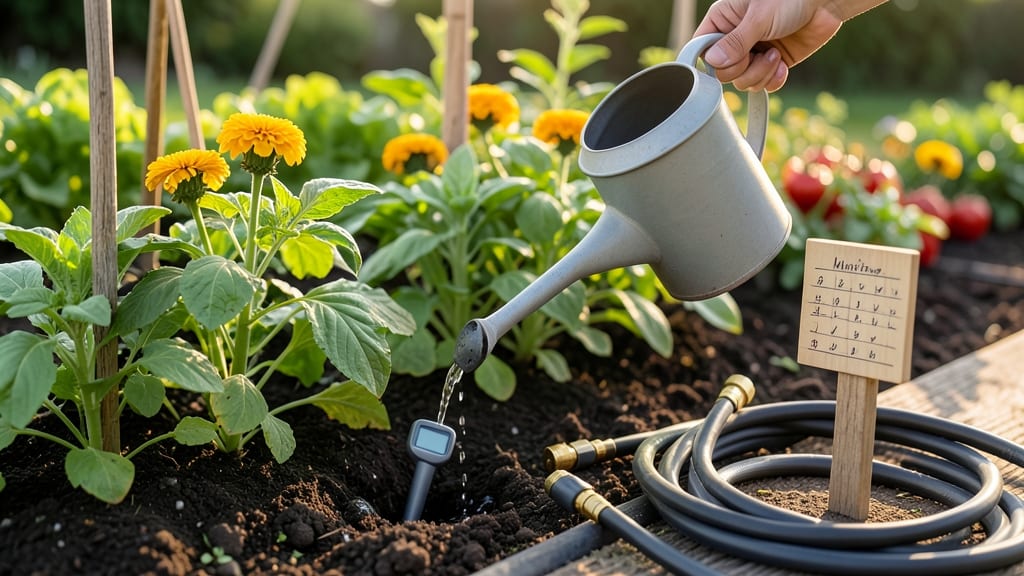
How often do I need to water my garden the right way? Knowing the frequency ensures your General Garden Plants 🌱 thrive without wasting a drop.
Overwatering or underwatering your garden can kill your plants faster than pests or diseases—yet most gardeners get it wrong. The secret to lush, thriving plants isn’t guesswork; it’s a science-backed watering schedule tailored to your plants, soil, and climate.
In Zone 6a, where spring planting kicks off in April, your watering routine should shift with the seasons. A deep soak once a week in spring keeps roots strong, but summer’s heat can demand daily checks—especially for thirsty veggies and herbs.
Below, I break down the exact schedule for your garden’s needs, from soil tests to seasonal tweaks, so you never guess again.
Watering frequency by plant type: what your garden really needs
Most gardeners struggle with the right watering schedule, but the truth is, every plant has unique needs. Vegetables like tomatoes and peppers demand consistent moisture, while drought-tolerant succulents thrive on neglect. The key? Understanding root depth and soil type—sandy soil drains fast, while clay holds moisture longer.
Let’s break down exactly how often to water your garden’s most popular plants, so you can stop guessing and start growing.
Before diving into schedules, check your soil’s moisture level with your finger. Stick it 1-2 inches deep—if it feels dry, it’s time to water. For container plants, the top inch should be dry before watering again.
Pro tip: Use a moisture meter for accuracy, especially in hot climates where evaporation speeds up. Your plants will thank you for the precision!
Root depth dictates how often you water—shallow-rooted herbs like basil need frequent, light watering, while deep-rooted perennials like lavender can go weeks without a drink. Seasonal adjustments are critical too: summer heat means daily watering for leafy greens, while winter often requires none at all. Below, I’ve organized plants by category so you can tailor your watering routine like a pro.
| Plant Type | Water Frequency | Root Depth | Best Time to Water | Signs of Overwatering |
|---|---|---|---|---|
| Vegetables (Tomatoes, Peppers, Lettuce) | Every 2-3 days (summer), 1-2x/week (spring/fall) | Moderate (6-12 inches) | Early morning (6-9 AM) | Yellowing leaves, mold, wilting despite wet soil |
| Herbs (Basil, Cilantro, Mint) | Every 1-2 days (keep soil moist) | Shallow (1-3 inches) | Morning or evening (avoid leaf burn) | Drooping leaves, brown edges, root rot |
| Flowers (Roses, Petunias, Marigolds) | Every 3-5 days (deep watering) | Moderate (6-12 inches) | Late afternoon (for evening blooms) | Black spots, stunted growth, fallen buds |
| Shrubs (Lavender, Boxwood, Hydrangeas) | Every 5-7 days (drought-tolerant) | Deep (12+ inches) | Morning (slow, deep soak) | Leaf scorch, wilting, fungal growth |
| Succulents & Cacti (Aloe, Jade, Snake Plant) | Every 2-4 weeks (let soil dry completely) | Very shallow (1-2 inches) | Deep watering (bottom-up for pots) | Soft, mushy stems, yellowing leaves |
| Trees (Fruit Trees, Maple, Oak) | Every 10-14 days (deep watering) | Very deep (24+ inches) | Early morning (slow drip) | Leaf drop, fungal cankers, cracked bark |
Vegetables like tomatoes and peppers are the thirstiest in your garden, needing 1-2 inches of water weekly during their growing season. I water mine at the base using a soaker hose to avoid wetting leaves, which prevents fungal diseases like blight.
For leafy greens like lettuce, shallow but frequent watering keeps them crisp—think of it like a daily shower for your salad!
Herbs are finicky about moisture. Basil, for example, wilts dramatically when thirsty but can’t handle soggy soil.
I water my herb pots every 1-2 days in summer, using room-temperature water to avoid shocking the roots. Rosemary and thyme, on the other hand, are drought-proof once established—overwatering is their biggest enemy. Always check the soil before watering!
Flowers like roses and hydrangeas love deep watering but hate wet feet. I water them early in the morning to let foliage dry out during the day, reducing mildew risk. Petunias and marigolds are more forgiving, but even they’ll protest with droopy blooms if they’re parched. Mulching around flowers retains moisture and keeps roots cool—it’s a game-changer in hot climates.
For shrubs and trees, deep and infrequent watering builds strong root systems. I water my lavender every 5-7 days in summer, giving it a slow soak until water runs out the drainage holes. Fruit trees need even less—once established, they can go weeks without water, especially in well-draining soil.
The key is to water deeply during dry spells to encourage roots to grow downward.
Succulents and c
Seasonal watering adjustments: when to water more (or less) than usual
Your garden’s watering needs aren’t static—they shift dramatically with the seasons. What works in spring can drown plants in summer, while fall and winter often require far less hydration. The key is adjusting your routine based on temperature, humidity, and rainfall patterns, not just a one-size-fits-all schedule.
For example, spring often brings cooler temps and frequent rain, so your plants may need only weekly deep watering. But by summer, heatwaves can evaporate moisture in hours, forcing you to water daily—or risk crispy, wilted leaves.
Meanwhile, fall signals a gradual slowdown, and winter might require almost no watering at all. Let’s break down how to fine-tune your approach for each season—and handle those tricky heatwaves or droughts like a pro.
- Spring: Water deeply 1x/week—soil warms slowly, and roots need encouragement. Reduce if rain exceeds 1 inch/week.
- Summer: Increase to daily or every other day during heatwaves (check soil 1" down—if dry, water). Use mulch to retain moisture.
- Fall: Shift to bi-weekly watering as temps drop. Focus on newly planted perennials and bulbs.
- Winter: Cut back to monthly or none unless in Zone 8+ or growing winter veggies like kale.
- Heatwaves: Water early morning (before 8 AM) to avoid evaporation. Use drip irrigation for efficiency.
- Droughts: Group plants by water needs, prioritize deep roots (like lavender), and avoid lawn watering.
Don’t forget that humidity plays a huge role—plants in dry climates (like Arizona) need more frequent watering than those in humid regions (like the Southeast), where moisture lingers in the air.
For instance, my tomatoes in Texas wilt by noon if I skip morning watering, while my hostas in upstate New York thrive on bi-weekly soakings even in summer.
Pro tip: Use a soil moisture meter to avoid guesswork. Stick it 1-2 inches deep—if it reads dry, water; if moist, wait. This beats the finger test (which can mislead in clay or sandy soils).
Pair this with a rain gauge to track natural precipitation, so you’re not overcompensating when Mother Nature does the work.
During heatwaves, consider shade cloth for delicate plants or container gardens. These dry out faster because pots have no moisture reserve.
And if your area faces drought restrictions, switch to drip irrigation or soaker hoses—they deliver water directly to roots, cutting waste by up to 30%. Even a simple mulch layer (2-3 inches of straw or wood chips) can reduce watering needs by 50% by locking in moisture.
Finally, observe your plants—they’ll tell you what they need. Wilting leaves? Time to water. Yellowing foliage? You might be overdoing it. Adjust your schedule weekly based on these cues, and soon you’ll have a garden that’s resilient, hydrated, and thriving—no matter what season it is. 🌱