
Watering
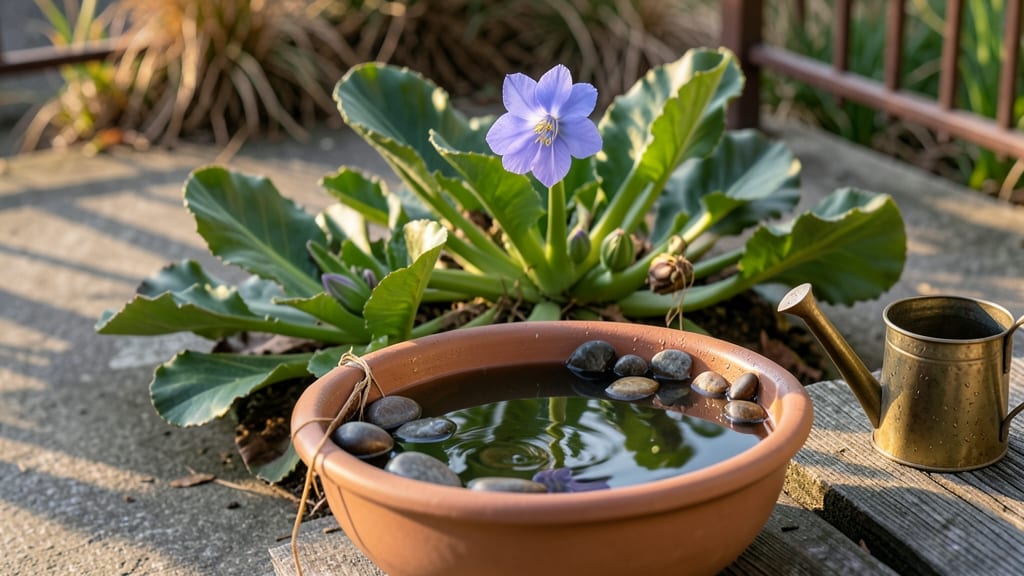
Growing a thriving container water garden with the right plants lets you bring aquatic beauty to patios, decks, or even windowsills—no yard or pond required.
Picture this: a tiny ecosystem teeming with life, where floating plants clean the water, submerged species add oxygen, and vibrant blooms attract butterflies. The best part? You don’t need a sprawling backyard to make it happen.
From hardy water hyacinths to delicate water lettuce, I’ll walk you through selecting the right container water garden plants for your space, setting up a balanced system, and keeping it lush with minimal effort.
Whether you’re a beginner or looking to troubleshoot common issues, this guide covers everything you need to create a self-sustaining mini-pond that thrives year after year.
Best low-maintenance container water plants for small spaces
Creating a miniature water garden in containers is easier than you think! The key is selecting hardy aquatic plants that thrive in small spaces while requiring minimal upkeep. These plants not only add beauty but also create a balanced ecosystem by oxygenating the water and controlling algae.
Whether you have a balcony, patio, or sunny windowsill, these low-maintenance container water plants will transform your space into a tranquil oasis with just a few gallons of water.
Floating plants like water hyacinth and water lettuce are perfect for beginners because they spread quickly, absorb excess nutrients, and provide shade to prevent algae growth. For submerged oxygenators, hornwort and anacharis are excellent choices—they release oxygen into the water while staying compact in containers.
These plants work together to create a self-sustaining micro-ecosystem that’s easy to maintain, even in urban settings.
Here’s a quick comparison of the top container-friendly water plants to help you choose the best options for your space and climate:
One of my favorite floating plants is water hyacinth, which produces stunning lavender flowers and spreads quickly to cover the water’s surface. It’s perfect for small containers like 5-gallon buckets or half-barrels because it stays compact while still providing shade to prevent algae.
Just be sure to place it where it can receive at least 6 hours of sunlight daily—this plant thrives in full sun and will reward you with vibrant blooms all season long.
For a more submerged oxygenator, hornwort is a game-changer. It grows in dense clumps and releases oxygen into the water, creating a healthier environment for any aquatic life you might have.
Unlike some submerged plants, hornwort doesn’t require specialized lighting—it does well in both full sun and partial shade, making it incredibly versatile. Plus, it’s perennial in many climates, so once established, it’ll come back year after year with minimal effort.
If you’re looking for a low-maintenance marginal plant, consider dwarf water lilies. These beauties produce delicate flowers and lush green foliage while staying small enough for containers. They prefer shallow water depths of 3-6 inches at the edges of your container, where their roots can anchor.
Dwarf varieties like ‘Tiny Star’ or ‘Mini Star’ are ideal for small spaces and will add a touch of elegance to your water garden without taking up too much room.
To keep your container water garden thriving, I recommend starting with a 3-plant combination: one floating plant (like water hyacinth), one submerged oxygenator (like hornwort), and one marginal plant (like a dwarf water lily). This trio creates a
How to create a balanced container water ecosystem in 5 steps
A balanced container water garden thrives on simplicity and the right mix of plants. Unlike traditional ponds, these mini-ecosystems rely on layered plants to filter water, provide oxygen, and prevent algae. The key? A 5-step process that mimics nature’s balance—without the complexity.
Start with a container at least 12 inches deep (deeper for lilies) and place it where it gets 6+ hours of sunlight.
Your goal is to create a self-cleaning system where each plant plays a role: oxygenators keep water fresh, floating plants block sunlight (reducing algae), and submerged plants anchor the ecosystem.
Choose the Right Container
Use a food-grade plastic or ceramic container with a 10-20 gallon capacity. Ensure it has no sharp edges (to protect roots) and place a drain plug for easy maintenance.
Layer Your Plants Strategically
Add a 2-inch gravel layer at the bottom for drainage, then plant submerged oxygenators (like hornwort) first. Top with floating plants (e.g., water lettuce) to shade the water.
Add Beneficial Bacteria
Introduce beneficial bacteria (like Microbe-Lift) to break down waste and prevent green water. This step is critical for long-term balance—skip it, and algae will take over.
Maintain Water Quality Weekly
Test water every 2 weeks for ammonia/nitrites. Top off evaporated water with dechlorinated tap water (let it sit 24 hours) and trim dead foliage to prevent rot.
Adjust Light and Fertilizer Seasonally
In summer, move containers to partial shade to prevent overheating. Feed plants monthly with aquatic fertilizer (5-10-5 NPK) during spring/summer only.
Your container water garden will thrive with minimal effort once balanced. The floating plants act as a natural filter, while submerged species release oxygen—keeping the ecosystem self-sustaining. Over time, you’ll notice fewer algae blooms and healthier growth.
Pro tip: Add a small solar fountain (optional) to increase oxygen flow and deter mosquitoes. This step isn’t mandatory but elevates your garden’s tranquility and functionality.
With these 5 simple steps, your mini-pond becomes a low-maintenance haven for wildlife and a stunning centerpiece. Happy gardening! 🌿