
Watering
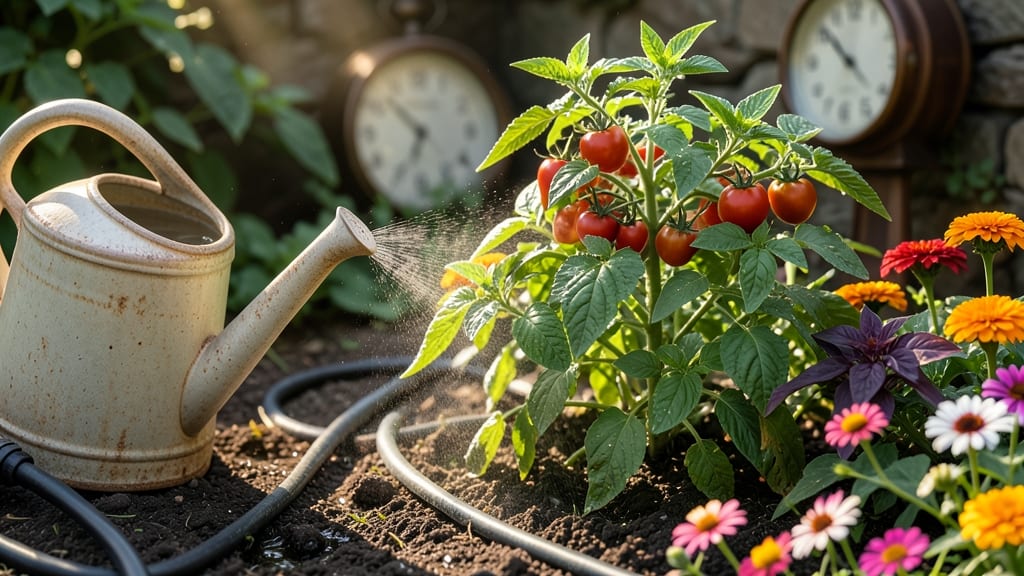
Watering your garden in summer at the right time can mean the difference between thriving 🌱 plants and wilted disappointment.
Summer heat can turn your garden from lush and thriving to crispy and struggling—unless you master the perfect watering schedule. The right timing isn’t just about frequency; it’s about maximizing hydration before the sun turns your soil into a desert.
Most gardeners assume more water equals better results, but overwatering in the heat actually stresses plants and wastes precious resources. The secret? Watering early in the morning—between 5 and 9 AM—when evaporation is low and roots can absorb moisture deeply.
In this guide, I’ll break down the science behind early morning watering, how to adjust your schedule for different plants, and the telltale signs your garden is getting too much—or too little—water. Let’s keep your garden hydrated the smart way.


Why early morning watering saves your garden from summer stress
Summer heat transforms your garden into a battleground between hydration and survival. The 5–9 AM window isn’t random—it’s rooted in science. When you water early, you beat evaporation by up to 30% compared to midday sessions.
The cooler temperatures allow water to penetrate soil deeply, reaching roots where they need it most.
Think about it: Soil moisture retention drops dramatically after 10 AM. A study from the University of California found that afternoon watering loses half its effectiveness due to rapid evaporation. That means your tomatoes or roses might be thirsty again by noon if you wait too long.
Here’s the kicker: Early morning watering prevents fungal diseases like powdery mildew. Wet foliage in the evening creates the perfect humid breeding ground for pathogens. By watering before dawn, leaves dry quickly, keeping your peppers and herbs healthy and disease-free.
Temperature matters more than you think. Soil absorbs water best when it’s cooler than 70°F (21°C). Afternoon heat can cause water to pool on the surface instead of soaking in, leading to wasted H₂O and stressed plants. That’s why my container gardens thrive with morning watering—no runoff, just deep hydration.
| Time Slot | Evaporation Loss | Root Penetration | Fungal Risk | Best For |
|---|---|---|---|---|
| 5–9 AM | Low (10–20%) | Deep (6+ inches) | Low | All plants |
| 10 AM–4 PM | High (30–50%) | Shallow (1–3 inches) | Moderate | Drought-tolerant plants |
| 5–9 PM | Moderate (20–30%) | Moderate (3–5 inches) | High | Avoid unless necessary |
My succulents and lavender love morning watering because they hate soggy roots. The key is to water deeply but infrequently—aim for 1–1.5 inches of water per week, delivered in the morning.
This mimics natural rainfall patterns and encourages roots to grow deeper, making your plants more resilient during heatwaves.
Don’t make the mistake of assuming evening watering is a close second. While it might seem logical to water when you get home, the humidity spike at night can invite pests like slugs and diseases like black spot on roses.
I learned this the hard way when my hydrangeas developed unsightly spots after switching to nighttime watering.
Pro tip: Use a soaker hose or drip irrigation for morning watering. These deliver water slowly and directly to the soil, reducing waste and ensuring even moisture distribution. Plus, they’re low-maintenance—set them up once, and you’re golden for the season.
If you’re dealing with sandy soil, morning watering is non-negotiable. Sand drains too quickly, and afternoon watering often leads to surface evaporation. For clay soil, however, you might need to water slightly later in the morning to avoid waterlogging.
Always check the top 1–2 inches of soil—if it’s dry, it’s time to water.
Remember, the goal is consistency. Stick to the 5–9 AM rule, and your garden will reward you with vibrant blooms, lush foliage, and bountiful harvests all summer long. Your plants will thank you—literally, with healthier growth and fewer pests! 🌱
Summer watering schedule by plant type: how often and when
Not all plants thirst the same way during summer’s scorching heat. Vegetables like tomatoes and peppers need daily hydration in extreme heat, while drought-tolerant succulents can survive weeks with minimal water.
Understanding these differences keeps your garden thriving—not wilting. Let’s break down the ideal watering schedule by plant type, so you can adjust based on what’s growing in your beds.
Your watering strategy should also adapt to weather conditions. A sudden heatwave or storm can dramatically change how often you water. For example, shrubs and trees need deep, infrequent watering, while annual flowers like marigolds prefer consistent moisture.
Below, we’ll cover the essentials for each category, plus a seasonal checklist to keep your garden resilient.
For vegetables, the key is consistency. Plants like tomatoes and peppers need 1-2 inches of water per week, but split into smaller sessions to prevent runoff.
Use a drip irrigation system or soaker hose to deliver water directly to the roots, minimizing evaporation. Mulch around the base to retain moisture and keep soil temperatures cool.
When temperatures soar above 90°F (32°C), increase frequency for high-need plants. Check soil moisture by sticking your finger 1-2 inches deep—if it’s dry, water immediately.
For shrubs and trees, deep watering once a week is often sufficient, but young trees may need more frequent attention until their roots establish.
Adjust your schedule based on weather forecasts. If a heatwave is predicted, water one extra day before the heat arrives. Conversely, after heavy rain, skip watering for a few days to avoid soggy soil.
A simple seasonal checklist can help: mark off tasks like checking mulch levels, adjusting sprinklers, and monitoring for pests that thrive in damp conditions.
Remember, overwatering is just as harmful as underwatering. Yellowing leaves or moldy stems signal excess moisture, while crispy edges or wilting indicate thirst. By tailoring your watering routine to each plant’s needs and adapting to summer’s whims, you’ll keep your garden lush, healthy, and resilient all season long. 🌱