
Tools
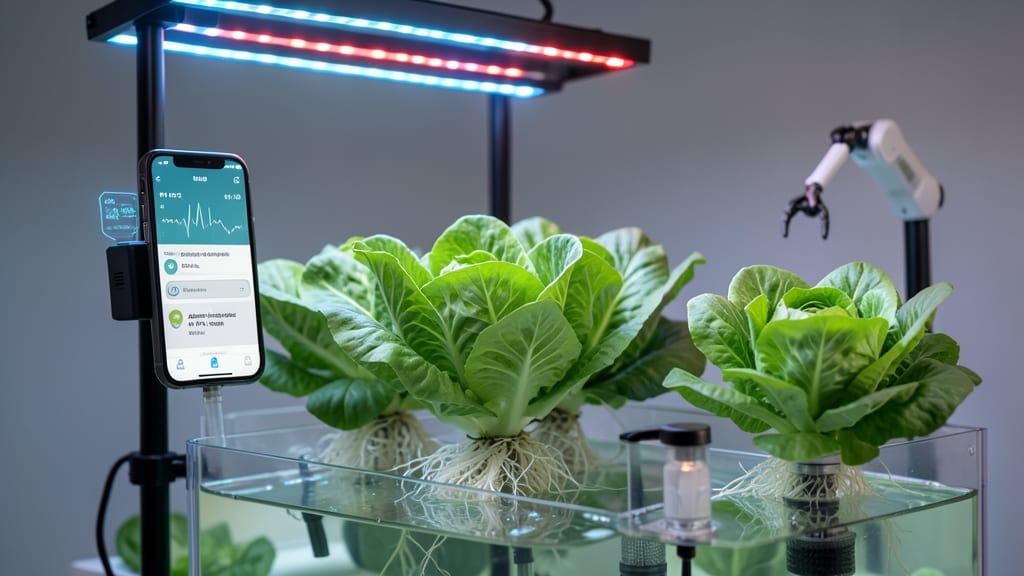
AI for gardening transforms plant care by analyzing soil conditions, predicting pest outbreaks, and automating irrigation, while smart tools like diagnostic apps and robotic planters deliver precision recommendations tailored to your garden's specific needs.
This technology doesn't just guess—it learns. 🌱 AI-powered systems scan your garden's unique conditions, from soil pH to leaf health, then recommend targeted actions like fertilizer adjustments or pest control.
For example, some apps can identify plant diseases through smartphone photos, while robotic planters adjust watering based on real-time weather forecasts. The result? Healthier plants, fewer wasted resources, and yields that consistently meet—or exceed—your expectations.
What sets AI gardening apart is its ability to adapt. Unlike traditional methods that rely on fixed schedules, these tools evolve with your garden's changing needs. 💡 Whether you're a backyard hobbyist or managing a large-scale farm, the right AI-powered solutions can cut down on guesswork while maximizing efficiency.
The key is choosing tools that match your specific goals—whether that's maximizing harvests, conserving water, or simply keeping your houseplants thriving.
💡 In This Article
- How AI Tools Improve Soil and Plant Diagnostics
- Top AI-Powered Gardening Tools for Beginners and Experts
How AI tools improve soil and plant diagnostics
AI-powered gardening tools revolutionize diagnostics by leveraging machine learning to analyze soil and plant conditions with precision. These systems use sensors to measure key factors like pH levels (4.0-7.0 for most plants), moisture content, and nutrient concentrations in real-time.
For example, smart soil probes like the Atterra can detect nitrogen, phosphorus, and potassium levels down to 0.1% accuracy, far surpassing traditional soil tests that require lab processing and take days.
The magic happens when AI combines this data with historical patterns and plant-specific databases. Imagine taking a photo of a yellowing tomato leaf—an AI app like Plantix can identify nutrient deficiencies (e.g., magnesium or iron) within seconds by comparing leaf patterns to its database of 1,000+ plant diseases.
These tools don't just name the problem; they suggest targeted solutions, like adjusting calcium levels in water (100-200 ppm) for blossom-end rot in tomatoes.
Predictive modeling takes diagnostics further by forecasting growth patterns. AI algorithms analyze factors like sunlight exposure, temperature fluctuations (65-75°F optimal range for most crops), and rainfall predictions to estimate when plants will flower or fruit.
For instance, FarmWise uses weather APIs to adjust irrigation schedules, reducing water waste by up to 30% while preventing overwatering-related root rot.
What makes this technology truly transformative is its ability to learn from your garden's unique ecosystem. Over time, AI systems refine their recommendations based on your specific soil composition and plant responses.
For example, if your basil consistently thrives with extra phosphorus (50 ppm), the app will prioritize phosphorus-rich amendments in future suggestions. This personalized approach eliminates the one-size-fits-all guesswork of traditional gardening.
For beginners, these diagnostics simplify complex processes. No more memorizing pH charts or guessing when to fertilize—AI handles the heavy lifting. Even experts benefit from the granular insights, like detecting early signs of powdery mildew (visible as white fungal growth) through image analysis before it spreads.
The result? Healthier plants, fewer losses, and gardens that perform at peak efficiency.
Consider the case of a strawberry patch struggling with poor yields. Traditional methods might blame pests or weather, but AI diagnostics would reveal soil boron deficiency (less than 0.5 ppm) combined with inconsistent watering patterns.
The system would then recommend a boron supplement (1-2 ppm) and a drip irrigation schedule every 48 hours—solutions that would take weeks to discover through trial and error.
The future of gardening diagnostics lies in these AI-driven insights, turning data into actionable intelligence that grows with your garden. 🌱