
Tools
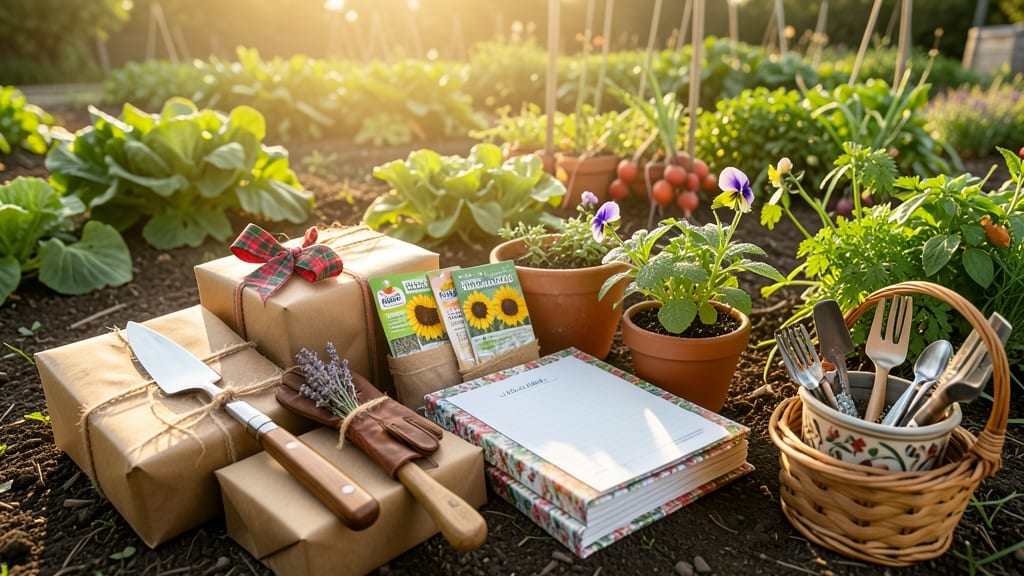
For allotment gardening gifts, prioritize practical tools, heirloom seeds, and custom plant care accessories that blend functionality with personal touches to create meaningful presents for any green thumb.
When selecting gifts for allotment gardeners, think beyond generic plants—focus on items that solve real problems or spark joy through personalization. 🌱 Practical tools like ergonomic pruners or weather-resistant seed storage boxes make daily tasks easier, while heirloom seeds with family histories add sentimental value.
I’ve found that custom engraved plant markers or handmade ceramic pots become cherished keepsakes, especially when paired with a handwritten note about the recipient’s gardening journey.
What sets these gifts apart is their dual purpose: they’re both useful and meaningful. A high-quality compost bin, for example, reduces waste while showing thoughtfulness, while a set of heirloom tomato seeds connects the giver to the gardener’s heritage.
The key is balancing functionality with that personal touch—whether it’s monogramming a watering can or including a care guide for the seeds.
💡 In This Article
- Best Practical Tools for Allotment Gardeners
- Personalized and Sentimental Plant-Related Gifts
Best practical tools for allotment gardeners
Allotment gardening thrives on efficiency, and the right tools can transform a labor-intensive chore into a satisfying, even enjoyable experience. Ergonomic designs like lightweight aluminum trowels or bent-handled pruners reduce wrist strain during repetitive tasks, which is crucial since gardeners often spend 2-4 hours daily tending to plots.
These tools feature cushioned grips and balanced weights that distribute force evenly, preventing the fatigue that leads to dropped tools or missed plants. 🔥 The difference is noticeable after just 15 minutes of use—what once felt like a workout becomes manageable.
Durability matters just as much as comfort. Tools made from stainless steel or reinforced plastic resist rust and corrosion, extending their lifespan by 3-5 years compared to cheaper alternatives.
For example, a high-quality 5-gallon compost bin with a locking lid prevents odors and pests while breaking down kitchen scraps 50% faster than open bins.
The science behind this is simple: controlled aeration and moisture retention speed up microbial activity, turning waste into nutrient-rich soil in 4-6 weeks instead of months.
Specialized tools address specific pain points. A long-handled weeder with a serrated edge, for instance, makes removing dandelions from between bricks or cracks 3 times faster than digging by hand. The serrations create clean cuts that prevent regrowth, while the extended handle keeps your back safe from bending.
These tools aren’t just conveniences—they’re investments in your gardening longevity, reducing the risk of injuries like tendonitis or lower back strain that plague many hobbyists.
Consider the allotment’s unique conditions too. Tools with non-slip grips are essential for wet climates, while those with adjustable heads (like cultivators) adapt to different soil types—from heavy clay to sandy loam. The best gifts in this category solve problems the recipient hasn’t even articulated yet.
A pH testing kit paired with lime or sulfur amendments, for example, helps gardeners troubleshoot soil issues before they affect plant health, saving both time and money.
For those with limited space, compact tools like foldable watering wands or collapsible seed trays maximize storage without sacrificing functionality. These innovations show thoughtfulness—they acknowledge that allotment gardeners often work in tight quarters with limited resources.
The key is selecting tools that align with the recipient’s specific challenges, whether it’s weeding, harvesting, or soil maintenance.
Don’t overlook the sensory experience either. Tools with wooden handles (like bamboo or ash) offer a warmer, more natural grip than plastic, while ergonomic designs reduce vibration—critical for tasks like pruning.
The tactile feedback alone can make gardening feel more connected to nature. A well-chosen tool becomes an extension of the gardener’s hands, making every task feel intentional and rewarding. ✨