
Pests
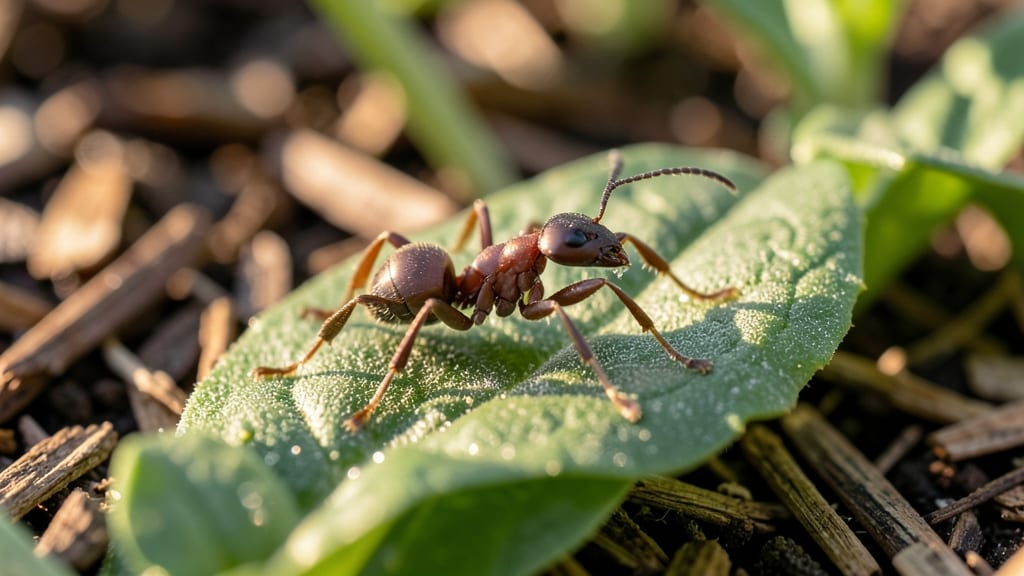
Ants in raised garden beds thrive by farming aphids and disrupting plant roots, but natural deterrents like diatomaceous earth, cinnamon, or citrus peels can repel them without harming plants or soil health. Target nests directly for best results.
These tiny invaders aren't just annoying—they create underground tunnels that damage roots and attract other pests like aphids, which they "farm" for honeydew. 🔥 The dry, warm conditions of raised beds make them prime real estate for ant colonies, and their presence often signals deeper soil or plant health issues.
Unlike chemical pesticides, natural solutions work by disrupting their scent trails or dehydrating them, giving your plants a fighting chance without the harsh side effects.
For immediate results, focus on the nest locations—these are usually near plant bases or along bed edges. A sprinkle of food-grade diatomaceous earth creates a barrier that dries out ants within 48 hours, while crushed citrus peels disrupt their communication.
The key is consistency: reapply after rain and combine methods for long-term control, like planting mint or thyme at the bed's perimeter to mask trails.
💡 In This Article
- Why Ants Invade Raised Garden Beds and Their Hidden Roles
- Top Natural Ant Repellents for Raised Beds (Ranked by Effectiveness)
Why ants invade raised garden beds and their hidden roles
The dry, well-drained environment of raised garden beds creates the perfect conditions for ants to establish colonies. These tiny insects thrive in temperatures between 70-90°F, and the elevated soil in raised beds stays warmer than ground-level plots.
The lack of moisture at the surface also means fewer predators like ground beetles or birds to disturb their nests, making them feel safer and more secure. 🔥
Ants don't just invade randomly—they target your garden for two key reasons: food sources and shelter. Many species, like the common pavement ant, cultivate aphids by protecting them from predators in exchange for honeydew.
This sticky substance attracts sooty mold, which coats plant leaves and blocks sunlight, reducing photosynthesis by up to 30%. Meanwhile, their tunneling disrupts root systems, creating entry points for fungal infections and weakening plants over time.
What most gardeners miss is how ants use raised beds as highways. Their scent trails guide thousands of workers along predictable paths, often along bed edges or between plants. These trails become superhighways for other pests too—aphids, whiteflies, and even earwigs follow the ants' pheromone signals.
The result? A cascading pest problem that starts with just a few ants but quickly spirals out of control. 💫
Here's the science: Ants are highly social insects that communicate through chemical signals called pheromones. When they find a food source like aphid honeydew or spilled fruit, they release these signals to recruit thousands more workers.
In raised beds, the open structure makes it easier for them to establish multiple satellite nests, each with hundreds of workers. This explains why you might see ant activity in one corner but not another—it's not random, it's strategic.
Interestingly, not all ants are harmful. Some species like the harvester ant actually help by aerating soil and breaking down organic matter. The key difference is their diet: beneficial ants prey on other insects, while the destructive ones focus on plants and sap.
Learning to identify which species you're dealing with can save you time—if you spot winged ants (swarmers), it's a sign of a mature colony that needs immediate attention. 🌟
Consider this comparison: A single ant colony can contain up to 500,000 individuals, and each worker can carry 50 times its body weight in food. That means one nest near your tomato plants could be moving enough honeydew to create a sticky mess that attracts flies and wasps.
The damage isn't just cosmetic—it's physiological, as plants struggle to absorb nutrients through mold-covered leaves.
What's fascinating is how ants modify their behavior based on bed conditions. In drier raised beds, they'll dig deeper to find moisture, creating tunnels that can go down 12-18 inches. In moister conditions, they'll stay closer to the surface where their trails are more visible.
This adaptability makes them particularly challenging pests to control—what works in one season might fail the next if conditions change. ✨