
Pests
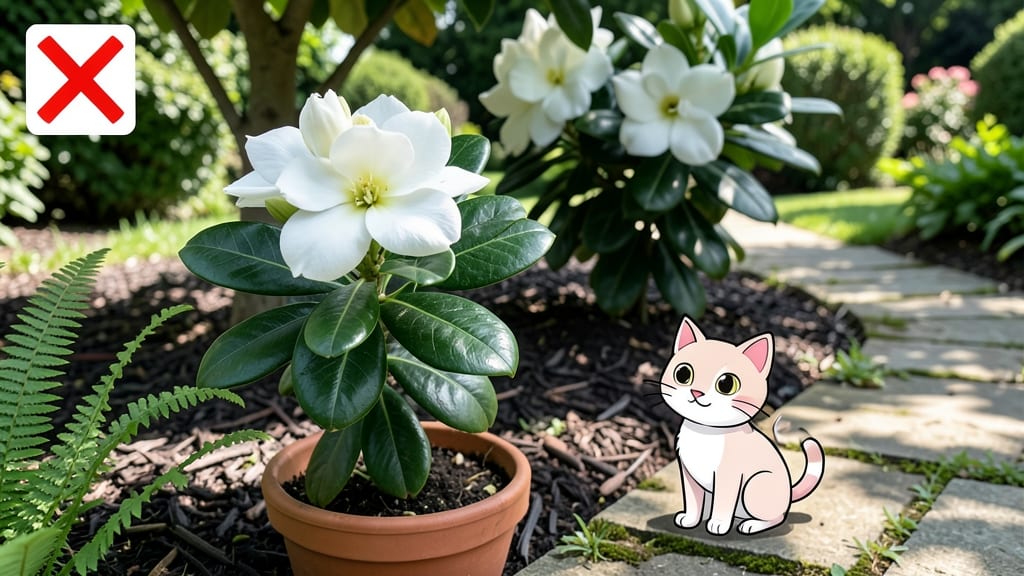
Gardenias are poisonous to cats because their leaves, flowers, and stems contain toxic compounds like saponins and essential oils that can trigger drooling, vomiting, and lethargy if ingested. Always supervise pets around these plants to avoid accidental poisoning.
Gardenias contain saponins, which create foaming saliva in cats—a telltale sign of poisoning—and essential oils that irritate their digestive and nervous systems.
Even small amounts of chewed leaves or flower petals can lead to mild to severe reactions, depending on the cat's size and sensitivity. 🐾 Unlike humans, cats lack the enzymes to safely metabolize these compounds, making them far more vulnerable.
If you suspect your cat has ingested gardenia, contact your vet immediately—they may recommend activated charcoal or IV fluids to flush the toxins.
To keep your feline friends safe, opt for cat-friendly alternatives like spider plants or Boston ferns, which add greenery without the risks. Place gardenias in high, secure spots or replace them with pet-safe flowers like sunflowers or marigolds.
Always monitor your cat’s behavior after introducing new plants, as some cats are curious enough to nibble even non-toxic foliage.
💡 In This Article
- Toxic Compounds in Gardenias and Their Effects on Feline Health
- Safe Alternatives to Gardenias for Cat-Friendly Gardens
Toxic compounds in gardenias and their effects on feline health
Gardenias contain two primary toxic compounds that pose serious risks to cats: saponins and essential oils. Saponins are natural glycosides that create a soapy foam when mixed with saliva, which is why you'll often see cats drooling excessively after chewing gardenia leaves or flowers.
These compounds disrupt cellular membranes in a cat's digestive system, leading to inflammation and irritation. The essential oils, particularly gardenol and jasmine ketone, act as neurotoxins, affecting the central nervous system and causing symptoms ranging from mild lethargy to severe neurological issues.
The severity of symptoms depends on the amount ingested and the cat's size.
A small 5-pound cat might experience mild symptoms like drooling and vomiting after consuming just one or two leaves, while a larger 15-pound cat could develop more severe reactions like diarrhea, weakness, or even tremors after ingesting a larger quantity.
The essential oils are particularly volatile, meaning they can be absorbed through the skin or inhaled, causing respiratory irritation even if the cat doesn't directly ingest the plant. 🐾 This makes gardenias dangerous even if your cat doesn't eat them—simply brushing against the plant or sniffing the flowers can trigger reactions.
Cats are especially vulnerable to gardenia toxicity because their livers are less efficient at metabolizing plant compounds compared to humans. Unlike omnivores, cats rely on a specialized diet that lacks the enzymes needed to break down saponins and essential oils safely.
When these toxins enter a cat's system, they overwhelm the liver, leading to a buildup of harmful byproducts. This is why symptoms often progress quickly—within 6 to 12 hours of exposure—and can escalate from mild digestive upset to life-threatening conditions like organ failure if left untreated.
One of the most concerning aspects of gardenia toxicity is its cumulative effect. Even small, repeated exposures can lead to chronic health issues, such as liver damage or kidney problems.
For example, a cat that nibbles on gardenia leaves daily might develop chronic vomiting or anemia over time, as the toxins gradually weaken its immune system.
This is why pet owners must be vigilant, especially if their cats show signs of curiosity around houseplants. 🌿 The strong, sweet fragrance of gardenias can also attract cats, making them more likely to investigate and ingest parts of the plant.
If you suspect your cat has been exposed to gardenias, immediate action is critical. The first step is to remove any remaining plant material from their mouth and rinse their fur with water to minimize skin absorption.
Then, contact your veterinarian or a pet poison control hotline for guidance. In severe cases, vets may induce vomiting or administer activated charcoal to bind the toxins in the stomach. Supportive care, such as IV fluids, may also be necessary to prevent dehydration caused by vomiting or diarrhea.
Always keep the plant's packaging or a sample handy when calling your vet—this helps them assess the potential toxicity level more accurately.
Understanding the science behind gardenia toxicity can help you recognize early warning signs and take swift action. For instance, excessive drooling combined with a sudden loss of appetite or hiding behavior are red flags that your cat may have ingested something harmful.
By familiarizing yourself with these symptoms, you can intervene before the situation becomes critical. Prevention is always the best approach, so consider relocating gardenias to areas inaccessible to your cat or replacing them with safer alternatives. 💡