
Planting
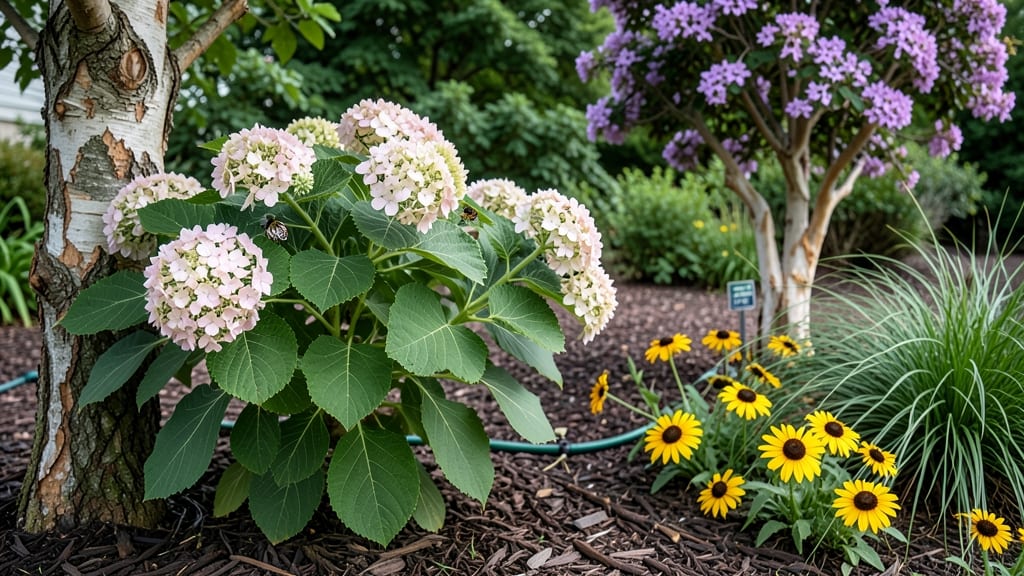
Atlanta, Georgia gardening zone includes USDA Zone 8a as its primary classification, with urban microclimates pushing some areas into Zone 8b, creating ideal conditions for year-round gardening and diverse plant life.
Understanding Atlanta's gardening zone helps you choose the right plants for your yard. The city's USDA Zone 8a designation means winters rarely dip below 10°F, while Zone 8b areas—common in urban heat pockets—can handle slightly warmer conditions.
This creates a perfect environment for everything from citrus trees to tender perennials. 🌿 The extended growing season (typically 220-240 frost-free days) lets gardeners experiment with warm-season crops well into fall and even try early spring plantings.
What sets Atlanta apart is how its urban landscape creates microclimates. Areas near concrete and asphalt can be 5-10°F warmer than rural outskirts, which might explain why your neighbor's garden thrives with plants you struggle to grow.
This variation means always checking your specific location's frost dates and heat exposure when selecting plants.
💡 In This Article
- USDA Zone 8a vs 8b: Atlanta’s Climate Nuances
- Best Plants for Atlanta’s Gardening Zone
USDA Zone 8a vs 8b: Atlanta’s climate nuances
The key difference between Zone 8a and 8b lies in their coldest winter temperature thresholds. Zone 8a can handle down to -10°F while Zone 8b extends protection to 10°F.
Atlanta's official designation as Zone 8a reflects its average annual minimum temperature of around 12-15°F, but this varies dramatically across neighborhoods due to urban heat island effects. Downtown Atlanta often experiences 5-10°F warmer winter lows than suburban areas like Decatur or Marietta, creating microclimates where Zone 8b plants thrive.
This temperature variation directly impacts plant survival. For example, a Mexican bush sage (Salvia leucantha), which tolerates down to 10°F, might survive winters in Buckhead but suffer frost damage in the northern suburbs.
Similarly, citrus trees like Meyer lemons (Zone 9-10) can sometimes overwinter in protected urban microclimates where winter temps rarely drop below 15°F. The city's 220-240 frost-free days further extend growing potential, with last spring frosts typically occurring around March 15 and first fall frosts around November 15.
Atlanta's elevation also plays a role in these microclimates. The city sits at about 1,050 feet above sea level, with higher elevations in the northern suburbs experiencing slightly cooler conditions. This creates a 1-2°F temperature gradient per 300 feet of elevation change.
Gardeners in higher areas might need to choose slightly more cold-hardy varieties than those in downtown heat pockets. The urban heat island effect isn't just about warmth—it also delays spring frost dates by 1-2 weeks in city centers compared to rural areas.
What makes Atlanta particularly interesting is how these microclimates interact with soil conditions. Urban areas with impermeable surfaces can have 10-15% lower soil moisture during summer heatwaves, while older neighborhoods with mature trees maintain more stable soil temperatures.
This means a plant's success depends on both its hardiness zone rating and your specific site conditions. For instance, a crepe myrtle (Zone 7-9) might struggle in a hot, dry downtown bed but thrive in a shaded suburban garden with consistent moisture.
To work with these variations, I recommend using the USDA Plant Hardiness Zone Map as a starting point, then adjust based on your specific location. Check local weather station data for your exact neighborhood—tools like the National Weather Service's climate database provide historical temperature records that reveal your true microclimate.
For example, Hartsfield-Jackson Airport records show winter lows of 18°F, while Stone Mountain Park (just 15 miles away) averages 22°F—a difference that matters for tender plants.
Understanding these nuances helps explain why some Atlanta gardeners successfully grow olive trees (Zone 8-10) while others struggle with camellias (Zone 7-9) in the same general area. The solution often lies in site-specific adjustments like choosing protected planting locations, using windbreaks, or selecting more cold-tolerant cultivars.
This level of detail transforms gardening from guesswork into a precise science tailored to Atlanta's unique climate patterns. 🌡️