
Planting
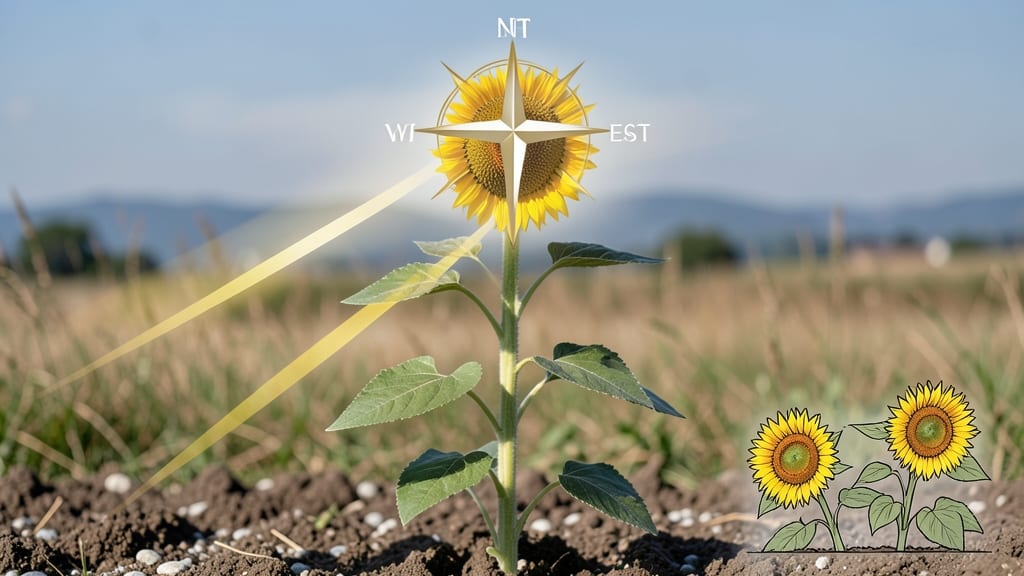
The best direction to plant a garden is south-facing for most temperate climates, giving plants 6-8 hours of direct sunlight daily. North-facing spots suit shade-tolerant plants, while east or west exposures offer partial sun options based on your local climate and plant types.
The direction you choose for your garden directly impacts plant health and productivity. 🌱 South-facing gardens receive the most consistent sunlight, which is crucial for fruiting plants like tomatoes and peppers that need intense light to thrive.
Meanwhile, east-facing spots get gentle morning sun—ideal for leafy greens that prefer cooler conditions. West-facing areas can get harsh afternoon heat, so drought-resistant plants like lavender or rosemary often do best there.
Don't overlook microclimates—your yard might have a north-facing corner that stays cooler and more humid, perfect for ferns or hostas. Testing your soil's pH and drainage before planting also plays a huge role in success, regardless of direction.
I always recommend sketching your yard's layout first to visualize how sunlight moves throughout the day and seasonally.
💡 In This Article
- How Sunlight Direction Affects Plant Growth
- Choosing the Right Garden Spot: Beyond Sunlight
How sunlight direction affects plant growth
The sun's path across the sky isn't just about quantity—it's about quality. Morning sunlight (east-facing) provides cooler, gentler light with a higher blue spectrum, perfect for photosynthesis without overheating.
This is why leafy greens like spinach or kale thrive in east-facing beds, where they get 4-6 hours of morning light without the intense afternoon heat.
In contrast, afternoon sunlight (west-facing) delivers more ultraviolet rays, which can stress plants by increasing evaporation rates and raising leaf temperatures by up to 10-15°F compared to morning light.
Latitude plays a surprising role in optimal directions. In the Northern Hemisphere, south-facing gardens receive the most consistent light year-round because the sun arcs from southeast to southwest.
At 30° latitude (like Phoenix or Miami), the sun is nearly overhead, so east or west exposures can actually get more direct light than south-facing spots at certain times of year.
Meanwhile, at 45° latitude (like Seattle or Denver), south-facing beds get the most reliable light, especially during shorter winter days when the sun stays low in the sky. This is why your garden's productivity can vary dramatically just by moving a few feet in different directions.
Different plants have evolved to capitalize on specific light conditions. Tomatoes and peppers, for example, need 6-8 hours of direct sun daily to produce fruit, which is why they're best suited for south-facing beds.
Their leaves have a waxy cuticle that reflects excess heat, but they still need the intense light to trigger flowering.
On the other hand, hostas and ferns have broad leaves that absorb light efficiently in low-light conditions, making them ideal for north-facing or deeply shaded areas where sunlight never reaches the ground.
Even within sun-loving plants, there are differences—roses, for instance, prefer the milder morning sun of east-facing spots to prevent leaf scorch.
Seasonal variations add another layer of complexity. In summer, the sun follows a higher arc, meaning east and west exposures get more direct light than they do in winter.
This is why many gardeners use seasonal planting charts: what thrives in a west-facing bed in June might struggle there in December. The angle of sunlight also affects how much light penetrates through foliage.
Vertical-growing plants like pole beans or cucumbers benefit from south-facing exposures because their leaves can capture light from multiple angles, while bush varieties might do better in east-facing spots where they receive more consistent light without competing for space in the canopy.
Don't forget about the "golden hours" of gardening—those first and last hours of sunlight each day. During these times, the light is softer and contains more red wavelengths, which stimulate plant growth hormones.
This is why many gardeners swear by east-facing beds for seedlings: the gentle morning light helps young plants establish strong stems without the stress of intense midday heat.
The same principle applies to harvesting: fruits and vegetables often develop their sweetest flavors when exposed to these golden hours, which is why many home gardeners prioritize south-facing beds for their most prized crops.
For those in the Southern Hemisphere, the rules flip entirely. North-facing gardens become the prime spots because the sun arcs from northeast to northwest. This geographical reversal means that gardening advice from the Northern Hemisphere often needs adjustment when applied below the equator.
The intensity of sunlight is also higher near the equator, so even shade-loving plants may need more protection from the harsh midday sun. Understanding these global differences is key to adapting successful gardening techniques to your specific location.