
Advice
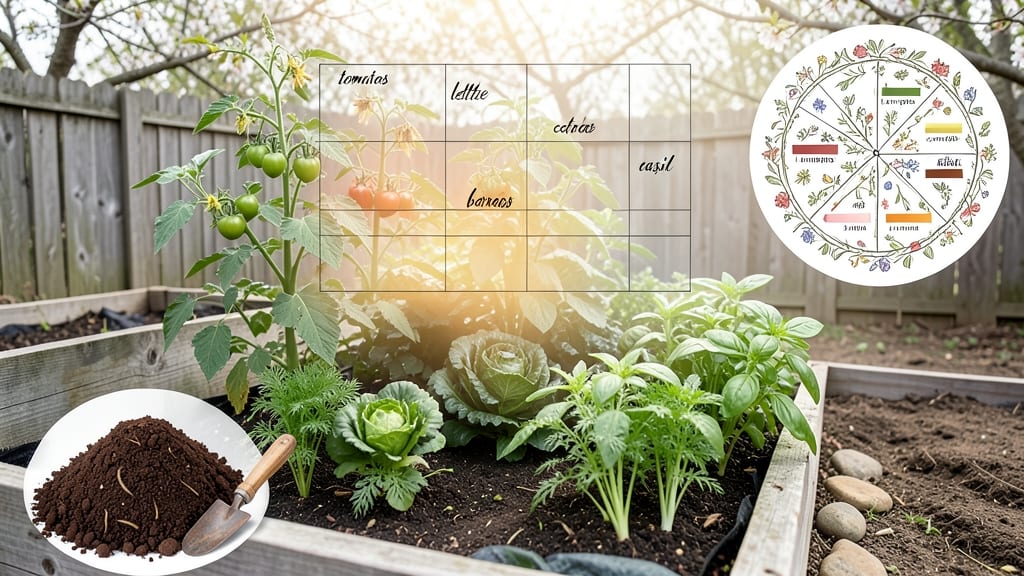
The best place to grow a garden combines 6-8 hours of direct sunlight daily, well-draining soil rich in organic matter, and a climate that matches your plants' needs—whether that means warm summers, mild winters, or protection from harsh winds.
Finding the perfect spot means balancing three key factors: sunlight exposure determines how efficiently plants photosynthesize, while soil structure and nutrients directly impact root health and nutrient uptake. 🌱 For example, leafy greens thrive in partial shade but bolt quickly in intense heat, while tomatoes and peppers demand full sun to produce fruit.
I've seen container gardens flourish on urban balconies with just morning sunlight, proving that adaptability is just as important as ideal conditions.
Climate plays a hidden role too—frost dates dictate planting windows, and humidity levels affect disease resistance. In my experience, the most successful gardeners don't just pick a sunny corner; they observe how wind patterns, afternoon shade, and seasonal temperature swings interact with their chosen plants.
This holistic approach often means the difference between a thriving garden and one that struggles season after season.
💡 In This Article
- How Sunlight, Soil, and Climate Impact Garden Success
- Top Garden Locations for Different Plant Types
How sunlight, soil, and climate impact garden success
Sunlight is the foundation of plant growth because it powers photosynthesis—the process where plants convert light energy into chemical energy to fuel their development. Most vegetables and flowers need 6-8 hours of direct sunlight to produce energy efficiently, but the type of sunlight matters too.
Morning sun (cooler and less intense) helps prevent leaf scorch, while afternoon sun (hotter and more direct) can stress delicate plants like lettuce. For example, tomatoes need full sun to set fruit, but their leaves can burn if exposed to 12+ hours of midday heat without adequate water.
The soil's composition directly affects root health and nutrient absorption. Well-draining soil prevents root rot by allowing excess water to escape, while organic matter (like compost) improves aeration and microbial activity. The ideal pH range for most plants is 6.0-7.0, but blueberries thrive in acidic soil (pH 4.5-5.57.0-8.0
I’ve seen gardens fail because the soil was too dense—clay-heavy soil can suffocate roots, while sandy soil drains too quickly, starving plants of nutrients. Climate factors like hardiness zones, frost dates, and humidity create microenvironments that determine what you can grow. For instance, Zone 5 (cold winters) allows for hearty crops like kale and potatoes, while Zone 9 (mild winters) supports year-round greens and citrus. Humidity levels also influence disease risk—high humidity encourages fungal growth, which is why raised beds with good airflow work better in damp climates. Even wind patterns matter: a sheltered spot protects tender plants like basil from drying out, while an exposed area can stress delicate flowers. Temperature swings are another critical factor. Many plants enter dormancy when nights dip below 50°F, while others, like peppers, need consistent warmth above 70°F to produce. I’ve noticed that container gardens in urban areas often have 5-10°F warmer microclimates than ground-level beds due to heat absorption from pavement and buildings. This means you can grow heat-loving plants like okra in containers even if your yard’s climate isn’t ideal. Seasonal adjustments are key too. In hot climates, afternoon shade (from a trellis or nearby structure) can extend the growing season for heat-sensitive crops. Conversely, in cooler regions, black plastic mulch absorbs sunlight and raises soil temperatures by 5-10°F, helping plants like tomatoes mature faster. The best gardeners treat their space like a puzzle, matching each plant’s needs to the available conditions—whether that’s a south-facing bed, a shaded patio corner, or a greenhouse for year-round control. Don’t overlook the role of moisture retention. Sandy soil drains quickly, requiring frequent watering, while clay soil holds too much water, risking root suffocation. Amending soil with compost or coconut coir can improve its structure, creating the perfect balance. For example, adding 2-3 inches of compost to a heavy clay bed can transform it into a fertile, well-draining growing medium within a season. 🌱