
Planting
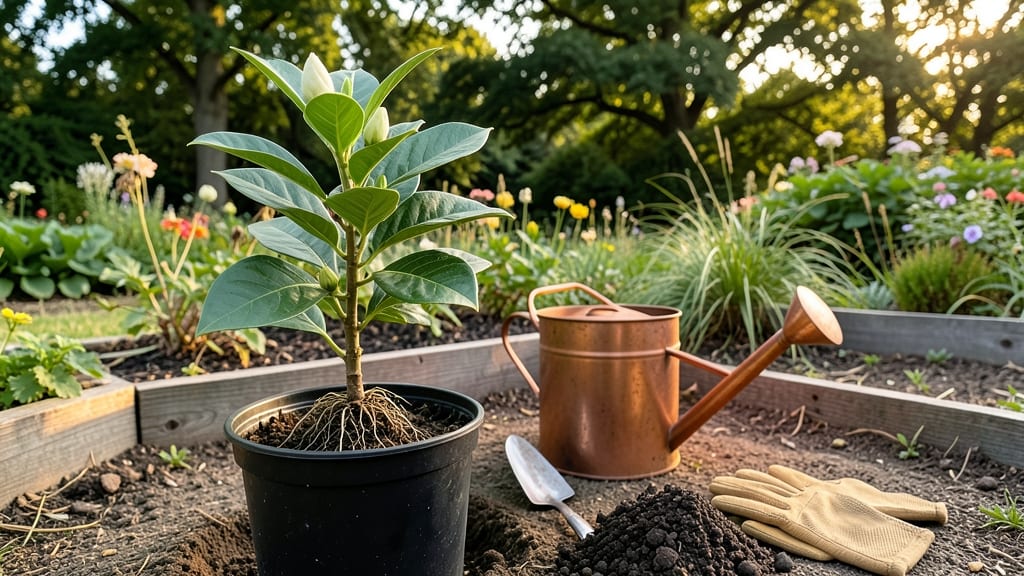
Plant gardenias at the best time when nights stay above 65°F—early spring to late spring for USDA Zones 8a-11—to give them the warm start they crave.
Gardenias thrive in Southern heat, but planting them too early can stunt growth or even kill them. Timing is everything when nights stay above 65°F, and this guide ensures your 🌸 blooms beautifully.
If you’ve ever watched a gardenia struggle in cooler soil or wilt under unexpected frost, you know how critical the right window is. The key? Planting after the last frost—typically March or April in most Southern zones—when the ground warms up and roots can establish without stress.
Here’s what you’ll learn: the exact planting window for your region, how to prep soil for acidic-loving gardenias, and the easiest way to avoid transplant shock so your shrub takes off strong.

Optimal planting window for gardenias in Southern heat zones
Gardenias love the Southern heat, but planting them at the wrong time can mean the difference between a blooming beauty and a struggling shrub. The key is waiting until nighttime temperatures consistently stay above 65°F.
This threshold ensures your gardenia establishes strong roots before summer's intensity hits. In USDA zones 8-11, timing varies slightly—but the goal is always the same: minimize transplant shock while maximizing growth potential.
For gardeners in Zone 9b-11 (like Florida or Southern California), the ideal window opens in late February to early March. These areas rarely face frost, so you can plant as soon as soil temperatures rise above 60°F.
Meanwhile, gardeners in Zone 8a (like parts of Texas or Georgia) should wait until mid-April to avoid late-spring frosts that can damage tender new growth.
Here’s why timing matters: Gardenias are sensitive to temperature fluctuations. Planting too early in cooler zones risks root rot from cold, wet soil, while planting too late delays blooming and weakens the shrub’s ability to handle summer heat.
The sweet spot? Warm soil + warm nights + no frost risk—that’s when your gardenia will thrive.
| USDA Zone | Best Planting Month | Night Temp Threshold | Regional Notes |
|---|---|---|---|
| Zone 8a | Mid-April to early May | 65°F+ nights | Avoid late frosts; wait for soil to warm. |
| Zone 9a-9b | Late February to March | 60°F+ nights | Florida, Southern Texas; minimal frost risk. |
| Zone 10a-11 | January to February | 55°F+ nights | Southern California, Hawaii; year-round planting possible. |
| 🌡️ Pro Tip: Use a soil thermometer to confirm 60°F+ soil temps before planting. | |||
Regional microclimates can shift these windows slightly. For example, coastal areas (like Miami or San Diego) may plant earlier due to moderating ocean breezes, while inland zones (like Phoenix or Atlanta) should wait until May to avoid extreme heat stress.
Always check your local last frost date and add a 2-week buffer for safety.
In humid climates (e.g., Florida or Louisiana), gardenias can also be planted in early fall (September-October) to take advantage of cooler temperatures and higher humidity, which reduces transplant shock.
However, this approach works best in Zones 9b-11 where frosts are rare. In drier regions (like Arizona or Southern California), stick to spring planting to prevent drought stress.
Another critical factor is soil temperature. Gardenias won’t thrive if planted in cold soil, which can stunt root growth. Test your soil with a thermometer—it should read at least 60°F at a 6-inch depth.
If it’s cooler, wait another week or two. Mulching with pine bark (to lower soil pH) and using black plastic mulch (to warm soil faster) can help speed up the process in cooler zones.
For container gardenias, timing is slightly more flexible since pots warm up faster. You can plant outdoor potted gardenias in late March (Zones 8-9) or even early February in Zone 10+, as long as nights stay above 55°F.
Just move pots to a protected spot if frost threatens. Container gardenias also benefit from acidic potting mix (pH 5.0-6.0) to mirror their native soil conditions.
Finally, don’t overlook moon planting phases if you’re a traditionalist! Some Southern gardeners swear by planting gardenias during the waxing moon (when roots grow best). While science doesn’t back this, it’s a fun way to align with nature’s cycles.
Pair this with deep watering after planting (1-2 gallons per shrub) to encourage root establishment.
With the right timing, your gardenia will reward you with fragrant blooms by late spring. The secret? Plant when nights are warm, soil is ready, and your local climate plays to your advantage. Now grab your gloves—your gardenia’s future starts with this perfect window! 🌸
Signs your gardenia soil and climate are ready for planting
Your gardenia thrives when soil temperatures consistently stay above 60°F—a key indicator it’s time to plant. Use a soil thermometer to check; 65°F+ nights signal safety from frost risk.
In USDA Zones 8-11, this typically aligns with late March to May, but coastal areas may extend planting into early summer due to milder conditions.
Next, confirm your last frost date has passed—gardenia roots hate cold shock. Southern gardeners should also monitor humidity levels; gardenias prefer 60-70% humidity. Urban heat islands may require extra watering adjustments to mimic these conditions, while coastal climates benefit from natural sea breeze moisture.
🌱 Best Time to Plant Gardenia Checklist
✅ Soil Temp: 60°F+ (use thermometer)
✅ Frost Risk: 0% (check local almanac)
✅ Humidity: 60-70% (or supplement with misting)
✅ Light: Partial shade (morning sun only)
✅ pH Level: 5.0-6.0 (test with kit)
✅ Climate: Nights >65°F (critical for root growth)
💡 Pro Tip: Plant afternoon shade spots in urban areas to protect from heat stress.
For urban gardeners, watch for heat island effects—concrete and pavement can raise soil temps by 10-15°F. If your area hits 90°F+ days, plant in early spring or use shade cloth to protect young plants.
Coastal gardeners, meanwhile, enjoy extended planting windows thanks to moderate temperatures and high humidity, often until June.
Test your soil pH before planting—gardenia roots require acidic soil (5.0-6.0). If your soil tests higher, amend with peat moss or sulfur 4-6 weeks before planting. Well-draining soil is equally critical; amend heavy clay with compost or perlite to prevent root rot.
Listen to your gardenia’s local microclimate. If your yard sits in a sunken area, it may stay cooler longer—ideal for late spring planting.
Conversely, elevated spots heat up faster, requiring earlier planting or extra mulch to retain moisture. Observe these patterns for 3 years to refine your timing.
Finally, avoid planting during extreme heat waves (>95°F). Stress from transplant shock can kill young gardenias. Instead, plant on a cool, cloudy day and water deeply afterward. With these signs checked, your gardenia will establish strong roots and bloom beautifully in its first season.