
Featured
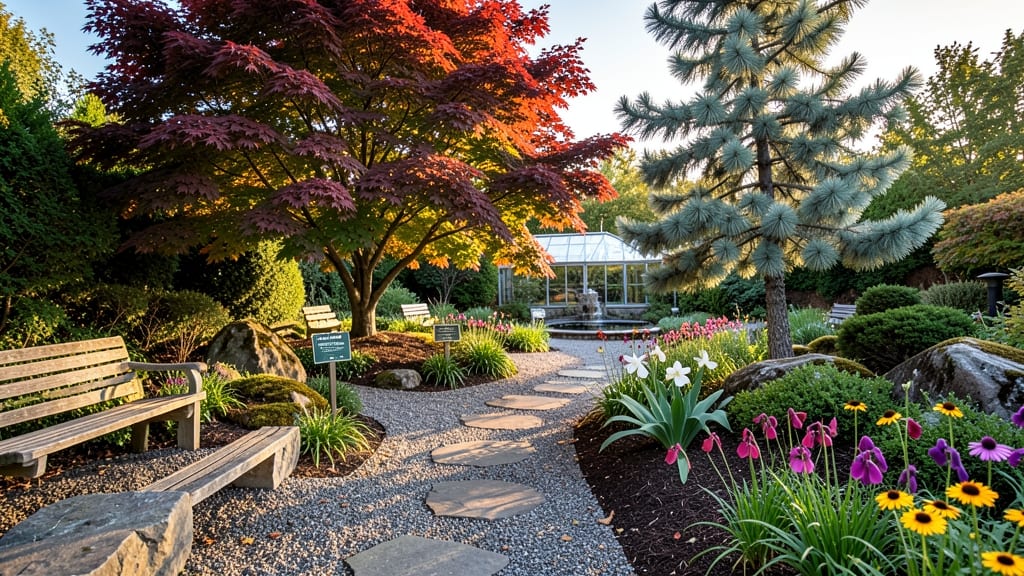
The Montreal Botanical Garden in Canada is a 75-acre oasis featuring over 22,000 plant species, including themed gardens like the Japanese Garden, Chinese Garden, and First Nations Garden, with seasonal displays and free admission for Montreal residents on Wednesdays.
The Montreal Botanical Garden in Canada is one of Canada’s most diverse plant collections, blending cultural themes with scientific conservation. 🌿 Its themed gardens—like the serene Japanese Garden with koi ponds or the vibrant Chinese Garden showcasing traditional medicinal plants—offer a global botanical journey without leaving the city.
What sets it apart is how it adapts plant rotations to Montreal’s climate, ensuring year-round beauty from spring tulips to winter holiday displays.
Beyond the plants, the garden’s accessibility features—like free Wednesday entry for locals and shuttle services—make it welcoming for all visitors. Whether you’re a plant enthusiast or just seeking a peaceful escape, this urban green space delivers both education and relaxation in equal measure.
💡 In This Article
- Montreal Botanical Garden’s Unique Themed Gardens and Plant Collections
- Best Times to Visit Montreal Botanical Garden by Season
Montreal Botanical Garden’s unique themed gardens and plant collections
The Montreal Botanical Garden’s themed gardens are meticulously designed to showcase plants from different cultures while adapting to Montreal’s humid continental climate (USDA Zone 5b). The Japanese Garden, for example, features over 1,000 plant species, including rare bonsai trees and maples that turn vibrant reds in autumn.
These plants are carefully selected to thrive in Montreal’s hot summers (up to 90°F) and cold winters (down to -20°F), with frost-resistant varieties like ginkgo biloba and Japanese snowbells.
The Chinese Garden is a standout with its 100-year-old pagoda and traditional medicinal plants like ginseng and schisandra chinensis, which are cultivated using hydroponic techniques in controlled environments. Visitors can see how these plants are used in traditional Chinese medicine, with labels explaining their properties—like ginseng’s adaptogenic benefits.
The First Nations Garden, meanwhile, highlights Indigenous plants such as wild rice and tobacco, grown using sustainable practices that align with traditional ecological knowledge.
What makes these gardens special is their seasonal plant rotations. The garden’s horticulturists swap out species every few years to prevent soil depletion and introduce new varieties. For instance, the orchid greenhouse rotates between Cattleya, Phalaenopsis, and Dendrobium species, ensuring visitors always see something fresh.
This approach also supports biodiversity conservation, as rare or endangered species are given priority in specific seasons.
The garden’s conservation efforts extend beyond aesthetics. The Alpine Garden, for example, replicates high-altitude conditions with 1,500 alpine plants, including edelweiss and saxifrages, many of which are threatened in their natural habitats.
These plants are grown in specialized trays with drainage systems to mimic rocky mountain soils, and their seeds are preserved for future reintroduction programs.
For plant enthusiasts, the garden’s educational signage provides deep dives into each species’ ecological role. Take the Montréal Biodôme’s adjacent plant collections, where you’ll find interactive displays explaining how plants like venus flytraps (carnivorous) or mimosa pudica (sensitive to touch) survive in their native environments.
The garden even hosts monthly workshops on topics like composting or urban gardening, making it a hub for both leisure and learning.
One often-overlooked gem is the Sensory Garden, designed for visitors with sensory impairments. Here, plants like lavender (aromatic), mint (cooling), and textured lamb’s ear (velvety leaves) create a multi-sensory experience.
The garden’s accessibility features—like braille labels and tactile pathways—ensure everyone can engage with the plant collections, regardless of ability. 🌸