
Container Gardens
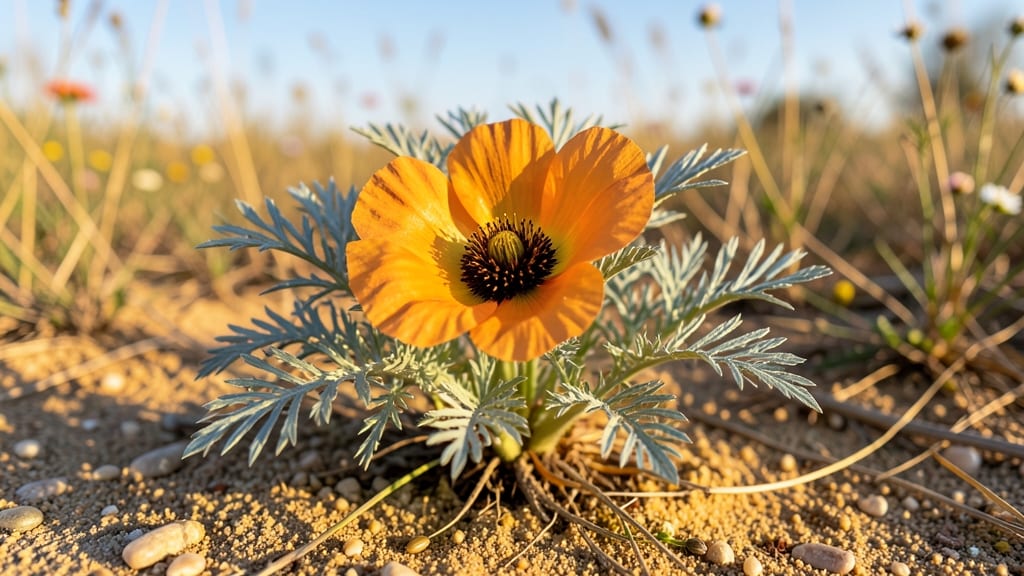
Exploring botanical gardens in Pasadena reveals world-class collections, including the Huntington Library’s legendary desert and rose gardens alongside Descanso’s rare cacti and native California plants. These living museums feature stunning seasonal displays and expert horticultural care, making them ideal for plant lovers and casual visitors alike.
Pasadena’s botanical gardens are more than just green spaces—they’re living classrooms where you can see rare species up close. 🌿 The Huntington Library’s desert garden alone showcases over 5,000 plants from arid regions, while Descanso’s succulent collection includes species you won’t find anywhere else in Southern California.
What makes these gardens special is their blend of education and beauty, with guided tours and conservation programs that highlight the importance of preserving native flora. Whether you’re a seasoned gardener or just love strolling through vibrant landscapes, these spots deliver an unforgettable experience year-round.
Don’t overlook the hidden gems like the Fuller Garden, a serene Japanese-inspired retreat, or the Pasadena City College’s botanical garden, which often hosts free workshops. Many gardens offer seasonal blooms that change with the months—spring brings wildflowers, while autumn features fiery foliage.
Pro tip: Pair your garden visit with a stop at the nearby Norton Simon Museum to see how art and nature complement each other. These gardens aren’t just places to visit; they’re destinations that inspire curiosity about the natural world.
💡 In This Article
- Pasadena’s Most Iconic Botanical Gardens and Their Unique Plant Collections
- Hidden Gems and Lesser-Known Botanical Spaces in Pasadena
Pasadena’s most iconic botanical gardens and their unique plant collections
The Huntington Library’s desert garden is a masterpiece of arid-land horticulture, featuring over 5,000 plant species from 12 global desert regions. 🌵 What makes it stand out is its meticulous climate-controlled sections—like the 100°F+ greenhouse that mimics the Sonoran Desert’s extreme conditions.
The garden’s 25-foot-tall saguaro cacti (native to Arizona) and ocotillo plants with their striking red stems create a dramatic visual contrast against the 12,000 rose varieties in the adjacent rose garden, which blooms from January to December.
Descanso Garden’s succulent collection is a living museum of 3,500+ rare species, including the livingstone daisy (a drought-resistant South African native) and echeverias that form intricate rosette patterns.
The garden’s 10-acre cactus forest features towering cardón cacti (up to 50 feet tall) and barrel cacti that store 1,000+ gallons of water. Unlike Huntington’s structured zones, Descanso’s layout mimics natural ecosystems, with drip irrigation systems that mimic rainfall patterns to preserve these water-storing plants.
Fuller Garden’s Japanese-inspired design offers a sensory escape with its 17 ponds, 200-year-old Japanese maples, and koi ponds> stocked with 100+ koi fish.
The garden’s moisture-loving plants, like hostas and azaleas, thrive in its 60-75% humidity microclimate, creating a stark contrast to the Huntington’s arid displays. 🌸 What’s often overlooked is the tea house, where visitors can sip matcha> while surrounded by bamboo groves> that grow up to 30 feet tall—a rare sight in Southern California’s dry climate.
Conservation efforts at these gardens go beyond aesthetics. The Huntington’s seed bank> preserves 1,200+ rare plant species, while Descanso’s propagation lab> grows endangered cacti from seeds collected in the wild.
Fuller Garden partners with local schools> to teach sustainable landscaping, using drought-tolerant native plants> that require 70% less water> than traditional lawns. These initiatives ensure that Pasadena’s botanical treasures remain vibrant for future generations.
Seasonal highlights vary dramatically: Spring brings the Huntington’s 20,000+ tulips> in bloom, while autumn transforms Descanso’s crassula collection> into a crimson-and-gold spectacle>. Fuller Garden’s cherry blossoms> peak in February, creating a pink canopy> over its 1.5-acre Japanese garden>.
Timing your visit to these peak seasons maximizes your experience—just check each garden’s bloom calendars>, as some species flower only every 2-3 years>.