
Vegetables
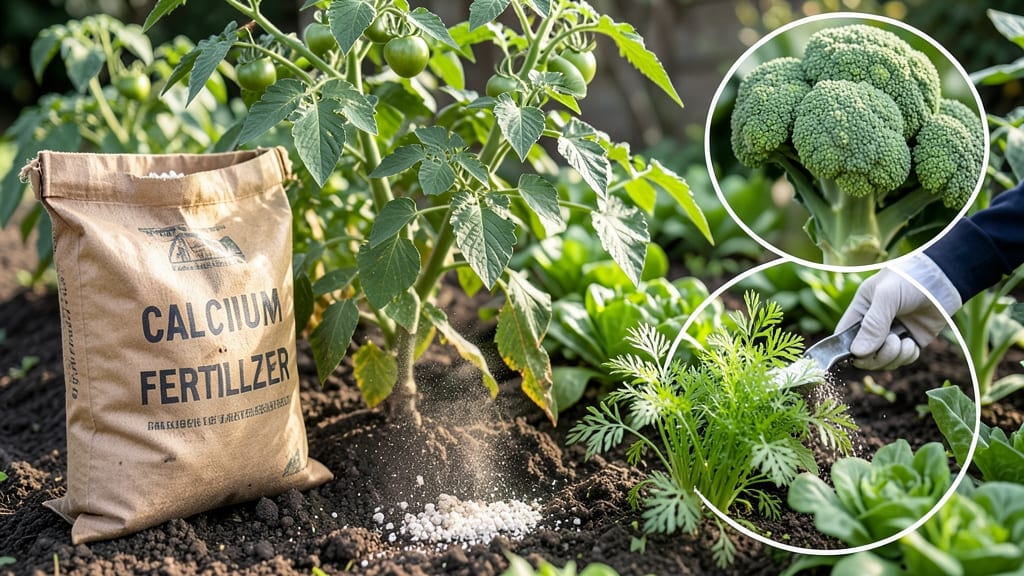
Calcium for vegetable gardens strengthens cell walls, prevents blossom-end rot in tomatoes, and improves soil structure. Use 2–4 pounds of gypsum (calcium sulfate) per 100 square feet annually, applying in early spring or after harvest when soil is moist.
Adding calcium to your vegetable garden isn't just about preventing common issues like blossom-end rot—it's about building stronger plants from the ground up. 🌱 Calcium acts as a structural support for cell walls, helping vegetables like peppers and tomatoes maintain their shape and resist stress.
The best time to apply it is when plants are actively growing, like in early spring or after harvest, to ensure they absorb the nutrient when they need it most. For organic gardeners, crushed eggshells or bone meal can be effective alternatives to gypsum, though they require longer decomposition times.
Soil testing is key—too much calcium can disrupt nutrient balance, especially for plants that prefer slightly acidic conditions. I recommend mixing calcium amendments into the top 6 inches of soil rather than surface-dusting, which helps roots access it more efficiently.
If you notice leaf tips browning or stems becoming weak, those are clear signs your plants are crying out for this essential mineral.
💡 In This Article
- How Calcium Boosts Plant Health and Soil Quality
- Best Calcium Sources and Application Timing for Vegetable Gardens
How calcium boosts plant health and soil quality
Calcium acts as a structural backbone for plant cells, forming calcium pectate in the middle lamella—the glue that holds adjacent cells together. Without enough calcium, cell walls weaken, leading to issues like blossom-end rot in tomatoes or tip burn in lettuce.
This happens because calcium helps regulate the movement of water and nutrients across cell membranes, ensuring plants stay hydrated and resilient during stress like drought or extreme heat. 🌿 For example, a tomato plant deficient in calcium will show dark, sunken lesions on its fruit within days of flowering, while healthy plants maintain firm, vibrant produce.
The magic happens at the cellular level: calcium ions (Ca²⁺) bind to pectin molecules in cell walls, creating a rigid framework that prevents excessive expansion. This is why calcium-deficient plants often exhibit distorted growth—think of peppers developing cracks or beans growing with misshapen pods.
What's fascinating is how calcium also triggers defensive responses; studies show it activates enzymes that help plants fend off pathogens. In soil, calcium improves structure by neutralizing sodium and magnesium ions, which can cause clay particles to disperse and compact—think of it as the opposite of hardpan formation.
Soil chemistry gets complicated here. Calcium helps maintain a balanced pH, typically between 6.0-7.0 for most vegetables, which is optimal for microbial activity. Beneficial bacteria and fungi thrive in this range, breaking down organic matter into plant-available nutrients.
Organic sources like composted manure or bone meal release calcium slowly, feeding soil microbes that in turn make other nutrients like nitrogen and phosphorus accessible. Synthetic sources like gypsum (calcium sulfate) dissolve faster, providing an immediate boost but requiring careful monitoring to avoid overloading the soil.
What most gardeners don't realize is that calcium deficiency often stems from poor soil drainage. When waterlogged, roots can't absorb calcium efficiently because it binds to clay particles instead of moving into the root zone.
This is why raised beds often produce healthier plants—they drain faster and allow calcium to reach roots where it's needed. 💧 A quick test: if you notice new leaves curling or older leaves yellowing between veins, those are classic signs of calcium stress, especially in fast-growing plants like squash or cucumbers.
Let's talk numbers: a single tomato plant needs about 0.5 grams of calcium per week during fruiting to prevent blossom-end rot. That might seem tiny, but spread across a 100-square-foot garden with 20 plants, you're looking at 10 grams weekly—which is why the recommended 2-4 pounds annually makes sense.
The key is consistency; plants can't store excess calcium like they can nitrogen, so regular applications keep them fortified against deficiencies.
Here's a pro tip: mix calcium amendments into the top 6 inches of soil rather than surface-dusting. This mimics natural processes where calcium leaches down with rainfall, becoming available to deeper roots.
For container gardens, use 1 tablespoon of gypsum per 5-gallon pot every 3 months—just enough to keep those cell walls strong without overwhelming the root system. 🌱