
Light Requirements
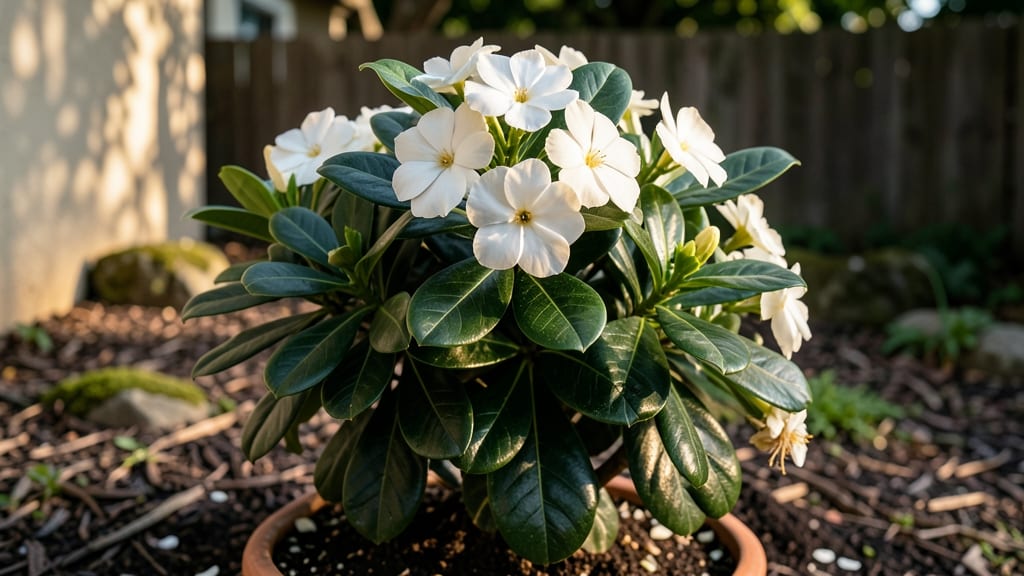
Gardenias can grow in shade, though they’ll need the right variety and a few care tweaks to keep blooming beautifully 🌸.
Picture this: your garden’s shady corner suddenly bursting with fragrant white blooms, all because you chose the right gardenia cultivar. It’s not just a dream—some gardenias actually thrive in low-light spots, proving that shade doesn’t have to mean sacrificing that classic gardenia scent.
Most gardenias crave bright, indirect light, but a few varieties—like G. jasminoides 'Kleim’s Hardy'—handle partial shade with ease. The key is understanding how much shade your gardenia can tolerate before its blooms start fading, and how to adjust soil, water, and even pruning to keep it happy.
In this guide, I’ll walk you through the best shade-tolerant gardenias, how to spot signs of stress, and the simple tricks that’ll turn your dimmest corner into a fragrant oasis—no direct sun required.

How much shade can gardenias tolerate before struggling?
Gardenias (Gardenia jasminoides) are sun-lovers at heart, but their tolerance for shade depends on variety, light intensity, and how you adapt their care. While they prefer 4-6 hours of morning sun, some varieties handle partial shade (2-4 hours of sun) beautifully.
The key is understanding where the line lies between "manageable shade" and "too much darkness" that stunts growth or stops blooms entirely.
Full shade—meaning less than 2 hours of direct sun daily—is where gardenias start struggling. In these conditions, they may produce fewer flowers, develop leggy growth, and lose their signature glossy leaves.
The science behind this? Gardenias rely on sunlight for photosynthesis and flowering triggers, and without enough light, their energy shifts to survival mode rather than blooming.
Here’s the critical threshold: 3-4 hours of filtered or dappled sunlight is the sweet spot for most gardenias in shaded gardens. This could mean planting them under high-canopy trees where they get morning sun and afternoon shade, or near east-facing windows if growing in containers.
The goal is to mimic their natural habitat in tropical understories where they receive indirect light.
Assessing your garden’s shade levels is easier than you think. Use the "shadow test": Place a white board or piece of paper in your garden from 10 AM to 2 PM. If the shadow is smaller than the board for most of the day, you have partial shade.
If it’s always larger or nonexistent, you’re dealing with full shade. For gardenias, aim for the partial shade row in the table above—this is where they’ll thrive with minimal stress.
Watch for visual stress signals like yellowing leaves, sparse foliage, or buds that form but fail to open. These are red flags that your gardenia isn’t getting enough light.
In shady spots, I also recommend pruning to open the canopy—this lets more light reach the lower branches where buds form. Think of it like giving your gardenia a "haircut to let in more sunlight".
Soil plays a surprising role in shade tolerance. Gardenias in low-light areas need richer, more organic soil to compensate for reduced photosynthesis. Amend your soil with compost or peat moss to boost nutrients, and maintain a pH of 5.0-6.5.
Acidic soil helps the plant absorb nutrients more efficiently, which is critical when sunlight is limited. A simple soil test kit can tell you if your garden’s pH is in the right range.
If your gardenia is already in full shade and struggling, don’t despair. You can gradually increase light exposure by thinning nearby trees or relocating the plant to a sunnier spot over time.
Move it in stages—like 1 hour more sun per week
For container gardenias in shade, consider adding a grow light for 4-6 hours daily during winter months when natural light is scarce. A simple LED grow bulb placed 12-18 inches above the plant can make a world of difference in bloom production. It’s like giving your gardenia a "sun vacation" indoors when outdoor conditions are too dim. Remember, every gardenia variety has its own shade tolerance. Some, like Kleim’s Hardy, are more adaptable to shade than others, like Radicans, which prefers brighter conditions. Always check the specific variety’s care guide to tailor your approach. With the right adjustments, even the shadiest corner of your garden can become a fragrant gardenia paradise.
5 Best gardenia varieties for shady gardens that still bloom profusely
If you love the sweet fragrance and glossy foliage of gardenias but struggle with low-light spots in your yard, don't despair! Some varieties are shade-tolerant champions that reward you with abundant blooms even in partial or dappled shade.
These fragrant powerhouses prove that shade doesn't mean sacrificing that classic gardenia experience.
While most gardenias crave morning sun, these five varieties have adapted to lower light conditions while maintaining their signature creamy blooms and intoxicating scent. From hardy hybrids to compact shrubs, each brings something unique to your shady garden oasis.
Let's explore their light needs, bloom characteristics, and care secrets for thriving in shade.
My personal favorite for shady gardens is G. augusta 'Radicans'—it's the hardiest of the bunch and produces large, fragrant blooms even with just 2-4 hours of morning sun.
This variety thrives under large trees where other gardenias would struggle. Its spreading habit makes it perfect for foundation plantings or woodland gardens.
For container gardening in shade, G. radicans 'Fortuniana' is my go-to. Its compact size (just 2-3 feet tall) and mild fragrance make it ideal for patio pots or balcony gardens.
The key with container-grown gardenias in shade is regular rotation to ensure even light exposure on all sides. I like to turn my pots quarter-turn weekly to prevent one-sided growth.
When selecting your shade-loving gardenia, consider both your light conditions and garden size. If you have deep shade (like under dense canopies), opt for 'Radicans' or 'Fortuniana'