
Pests
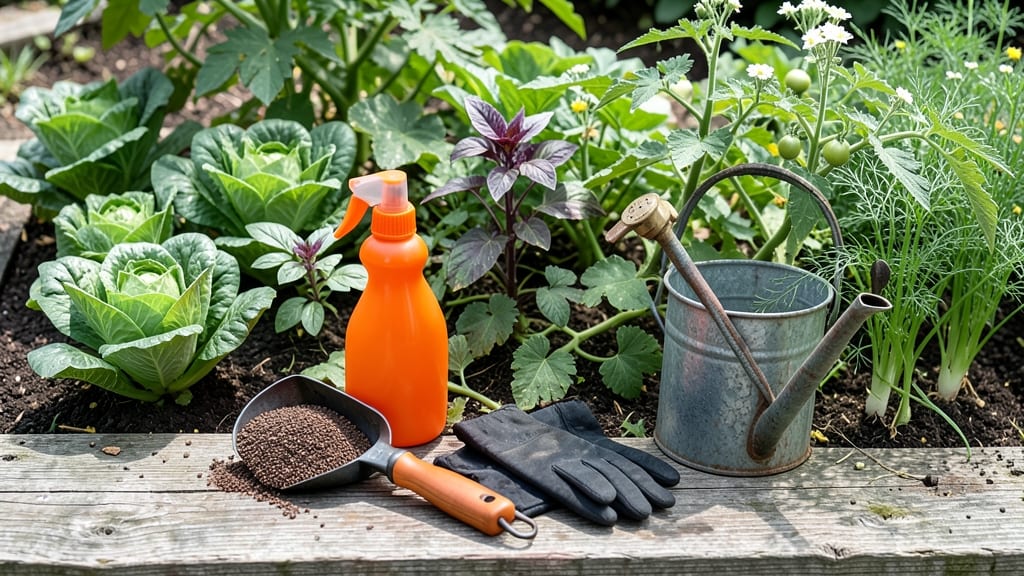
Putting Preen in a vegetable garden is risky because its active ingredients can damage edible plants by stopping seed germination and stunting young growth, though some organic versions may work for hardy vegetables when used sparingly.
Preen's chemical composition makes it particularly dangerous for vegetable gardens because it targets plant cell division, which is critical for root and shoot development. 🌱 Many common garden vegetables—like tomatoes, peppers, and beans—are especially sensitive to these herbicides, even when applied at recommended rates.
The risk increases during planting season when seeds are just beginning to sprout, as the herbicide can linger in the soil for months. For organic gardeners, I recommend testing a small patch first or opting for physical weed barriers like mulch or landscape fabric instead.
If you're determined to use Preen, focus on areas between rows where you won't be planting vegetables for at least six months. Always check the product label for specific plant compatibility warnings, and consider organic alternatives like corn gluten meal or vinegar-based sprays for weed control in vegetable beds.
The key is balancing weed suppression with protecting your edible crops—many gardeners find that a little extra weeding effort pays off in healthier harvests.
💡 In This Article
- How Preen’s Active Ingredients Affect Vegetable Growth
- Safe Preen Alternatives for Vegetable Gardens
How Preen’s active ingredients affect vegetable growth
Preen works primarily through its active ingredient, trifluralin, a pre-emergent herbicide that disrupts cell division in plant roots and shoots. When applied to soil, trifluralin creates a chemical barrier that prevents weed seeds from germinating by inhibiting the formation of new cells in the root tips.
This mechanism is highly effective for broadleaf weeds and grasses, but it doesn’t discriminate—it targets any young plant tissue, including vegetables. The disruption occurs at the meristematic zone, where rapid cell division fuels growth, effectively stunting or killing seedlings before they emerge.
Synthetic Preen formulations can linger in the soil for 3-6 months, depending on environmental conditions like moisture and temperature.
Organic versions, which often use corn gluten meal or clove oil, break down more quickly (typically within 4-8 weeks) but may still suppress delicate vegetables like lettuce or radishes. The risk is highest during the seedling stage, when young roots are most vulnerable to chemical interference.
For example, a tomato transplant with roots just beginning to establish will show signs of stress—yellowing leaves, stunted growth, or even death—within 7-10 days of exposure to trifluralin.
Not all vegetables react the same way, though. Hardy crops like potatoes or squash may tolerate residual Preen better than sensitive varieties like carrots or onions, whose taproots are particularly susceptible to growth inhibitors.
The key difference lies in root structure: deep, fibrous roots (like those of beans) can sometimes bypass treated soil layers, while shallow, delicate roots (like those of lettuce) are more likely to absorb harmful concentrations. 🌱 This is why timing is critical—applying Preen 6-8 weeks before planting allows the herbicide to degrade enough to reduce risk for most vegetables.
Organic Preen alternatives, such as those containing pelargonic acid (a natural fatty acid derived from castor beans), work differently by desiccating weed foliage rather than disrupting soil chemistry. These options are generally safer for vegetable gardens but may still require careful application.
For instance, a product like Espoma Organic Weed Preventer (made from corn gluten) can suppress weeds without harming established plants, but it won’t protect against existing weeds—it’s strictly a pre-emergent solution. The trade-off? Organic options often require more frequent reapplication compared to synthetic Preen.
To minimize risks, always follow the 3R rule: Read the label for plant-specific warnings, Research your vegetable varieties’ sensitivity, and Rotate herbicide-free zones in your garden.
For example, if you apply Preen to a 12-inch border around your vegetable beds, you create a buffer zone that reduces the chance of drift or runoff affecting your crops. This approach balances weed control with plant safety, especially in small gardens where space is limited.
One often-overlooked factor is soil type. Sandy soils drain Preen faster, reducing its effectiveness but also lowering the risk to plants, while clay soils hold the herbicide longer, increasing both weed suppression and potential harm to vegetables.
Testing your soil’s pH and organic matter content can help predict how long Preen will persist—acidic soils (pH < 6.0) break down herbicides more quickly than neutral or alkaline soils (pH > 7.0). This is why a simple soil test before application can save you from unintended plant damage.