
Pests
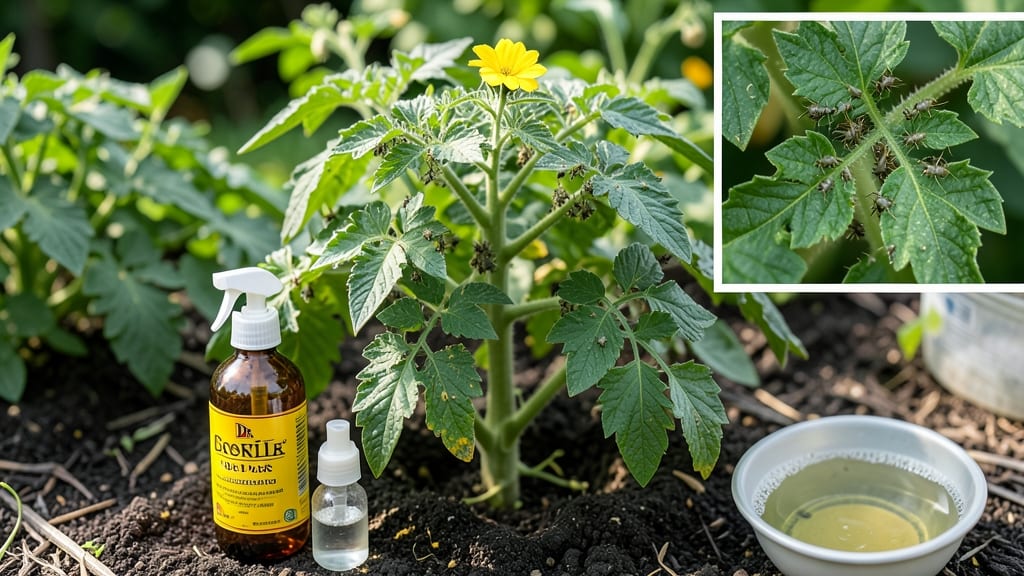
Using Castile soap for garden pests creates a natural insecticide that disrupts the protective layers of soft-bodied insects like aphids, mites, and whiteflies. For best results, mix 1-2 tablespoons per gallon of water and apply to affected plants during early morning or evening hours.
Castile soap works by breaking down the waxy coating on insects, causing dehydration and suffocation. 🌿 Unlike chemical pesticides, it's non-toxic to plants when used correctly, though some varieties may need dilution to avoid leaf damage.
The dawn/dusk timing minimizes harm to beneficial insects like bees while maximizing effectiveness on pests that are most active during cooler hours.
For tougher infestations, I often add a teaspoon of neem oil to the mix—this enhances the soap's effectiveness while providing antifungal properties. Always test on a small plant area first, as some sensitive varieties may react poorly. The key is consistency: reapply every 3-5 days until pests disappear completely.
💡 In This Article
- How Castile Soap Kills Garden Pests Naturally
- Best DIY Castile Soap Spray Recipes for Pest Control
How Castile soap kills garden pests naturally
Castile soap works as a natural insecticide primarily by breaking down the waxy, protective cuticle layer that covers soft-bodied insects like aphids and mites. This layer acts like a waterproof barrier, preventing dehydration and protecting against predators.
When soap molecules penetrate this coating, they create tiny pores that disrupt the insect's cellular integrity, leading to dehydration and suffocation within minutes. The process is similar to how dish soap dissolves grease—except here, the "grease" is the insect's protective wax layer.
The soap's effectiveness varies by insect type. Soft-bodied pests like aphids, whiteflies, and spider mites have delicate exoskeletons that are particularly vulnerable to soap's emulsifying properties.
Harder-shelled insects like beetles or earwigs are less affected because their exoskeletons resist the soap's action. 🔥 For best results, use a 100% pure Castile soap (like Dr. Bronner's) with no added fragrances or essential oils, as these can reduce effectiveness or harm plants.
The soap's pH—typically around 7-9—is also crucial; it's alkaline enough to disrupt insect physiology but gentle enough for most plants when properly diluted.
Timing plays a critical role in maximizing efficacy while minimizing harm to beneficial insects. Dawn and dusk are ideal because pests are most active during cooler hours when they're feeding, and beneficial pollinators like bees are less active. This targeted approach reduces collateral damage to your garden's ecosystem.
Additionally, spraying in the morning allows the solution to dry before evening dew forms, preventing potential fungal growth on plant leaves—a common issue with organic sprays left on foliage overnight.
Compared to synthetic pesticides, Castile soap offers several environmental advantages. It breaks down quickly in sunlight (photodegradation) and doesn't persist in the soil or water systems. Most synthetic pesticides contain chemicals that can linger for weeks or even years, harming soil microbes and beneficial insects.
However, the key difference lies in selectivity: while chemical pesticides often kill indiscriminately, Castile soap targets primarily soft-bodied pests, sparing many beneficial insects like ladybugs and lacewings that help control pest populations naturally.
For plants, the soap's safety depends entirely on proper dilution. A concentration of 1-2 tablespoons per gallon of water is generally safe for most vegetables and flowers, but always test on a small leaf first.
Some sensitive plants like ferns or caladiums may show signs of stress even at these concentrations. The soap's saponins—natural compounds that create suds—can sometimes cause minor leaf burn if left to dry on the surface, which is why thorough coverage and proper timing are essential.
One fascinating detail about this method is how the soap's molecular structure interacts with water. When mixed with water, Castile soap forms micelles—tiny spherical structures that trap and dissolve the waxy substances on insect cuticles. These micelles then disperse into the water, carrying away the protective layer.
The process is reversible for plants (they can regenerate their protective wax), but irreversible for soft-bodied insects whose cuticles can't repair as quickly. 💫
The environmental benefits extend beyond immediate pest control. Unlike many chemical pesticides, Castile soap doesn't contribute to pesticide resistance in insect populations—a growing problem with synthetic alternatives. This makes it a sustainable choice for long-term garden health, particularly in organic farming systems where maintaining ecological balance is paramount.