
Landscaping
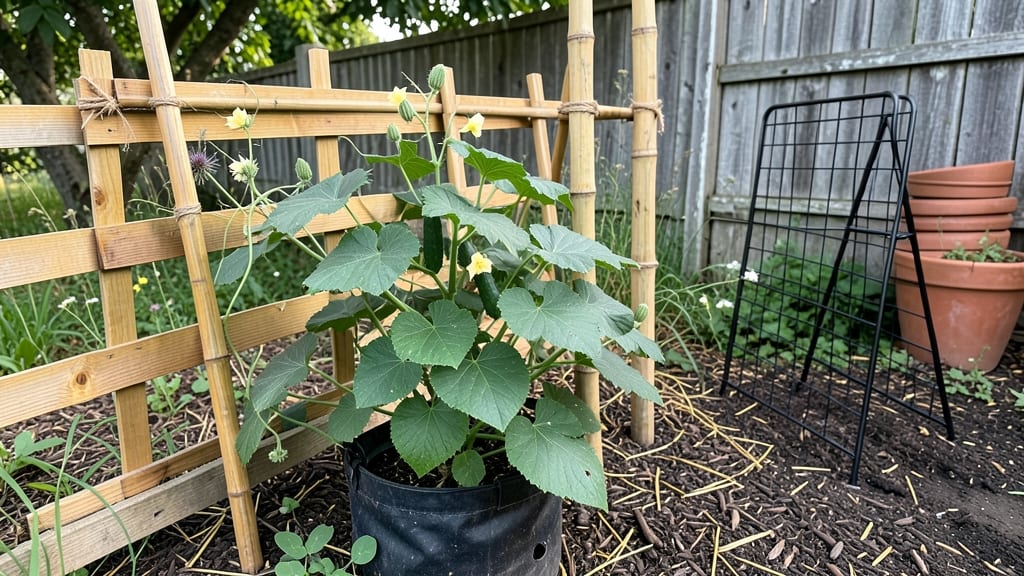
Building cheap garden trellises is easy with materials like bamboo stakes, wooden pallets, or scrap metal wire, combined with basic tools and simple construction methods to create sturdy supports for climbing plants.
You don't need to spend a fortune to create functional garden trellises—many household items can be repurposed into sturdy supports. 🌿 For example, bamboo stakes are lightweight, affordable, and strong enough for lighter vines like morning glories, while wooden pallets can be cut and assembled into lattice-style trellises for heavier climbers such as grapes or kiwi.
Metal wire or chicken wire offers flexibility for curved designs, perfect for roses or clematis. The key is matching the material to your plant's weight and growth habit, ensuring long-term stability without breaking the bank.
Most DIY trellises cost under $20 when using repurposed materials, and the tools required—like a hammer, wire cutters, and measuring tape—are likely already in your garage. The real savings come from avoiding store-bought kits while still achieving professional-looking results.
For instance, a simple A-frame trellis made from two bamboo poles and a piece of chicken wire can support a small cucumber plant for the entire growing season.
💡 In This Article
- Budget-Friendly Materials for DIY Garden Trellises
- Step-by-Step Guide to Building a Sturdy Trellis Under $20
Budget-friendly materials for DIY garden trellises
Bamboo stakes are one of the most cost-effective trellis materials, typically costing $1-$3 per stake in bulk. Their natural strength comes from their hollow yet dense structure, which distributes weight evenly—ideal for lighter vines like pole beans or morning glories.
A single stake can support up to 10 pounds of climbing growth when properly secured, making them perfect for small-scale gardens. The material's flexibility also allows for easy bending into curves, which is useful for training vines around corners or along fences.
Wooden pallets offer another excellent low-cost option, often free if you ask local businesses for discarded ones. A single pallet can be disassembled into 2x4-inch planks, which can be arranged into lattice patterns or A-frames.
The wood's natural grain provides excellent grip for vines, and its durability makes it suitable for heavier climbers like grapes or kiwi. Sanding the edges smooths rough surfaces, preventing splinters while maintaining structural integrity.
For extra stability, treat the wood with a non-toxic sealant to protect it from moisture and pests.
Metal wire, including chicken wire or scrap fencing, is another versatile choice, costing as little as $5-$10 per roll. The flexibility of wire allows for creative designs, such as spiral trellises for roses or diamond patterns for clematis.
To maximize strength, twist the wire around sturdy posts or bend it into rigid frames. Galvanized wire resists rust, making it ideal for outdoor use, while softer aluminum wire is easier to shape but may require additional support for heavier plants.
PVC pipes provide a modern, low-maintenance alternative, often priced under $10 for a 10-foot section. Their lightweight yet rigid structure makes them perfect for vertical gardens or trellis grids. Cutting pipes into sections allows for customizable heights, and their smooth surface prevents vine damage.
For added stability, anchor PVC frames into the ground or attach them to existing structures like sheds or fences. The material's resistance to rot and insects ensures long-term performance with minimal upkeep.
When selecting materials, consider the plant's growth habit and weight. Lightweight vines like nasturtiums or cucumbers thrive on flexible bamboo or wire, while heavier climbers need the support of wood or metal.
For example, a 6-foot bamboo trellis can support a single cucumber plant, whereas a wooden lattice is better suited for a grapevine that may reach 15 feet or more. Matching the trellis to the plant's needs ensures both grow healthily without overburdening the structure.
Repurposing materials not only saves money but also reduces waste. Check local hardware stores for scrap wood, construction sites for discarded metal, or online marketplaces for secondhand trellis parts.
With a little creativity, you can transform everyday items into functional garden supports that enhance your space without straining your budget. 🌱