
Container Gardens
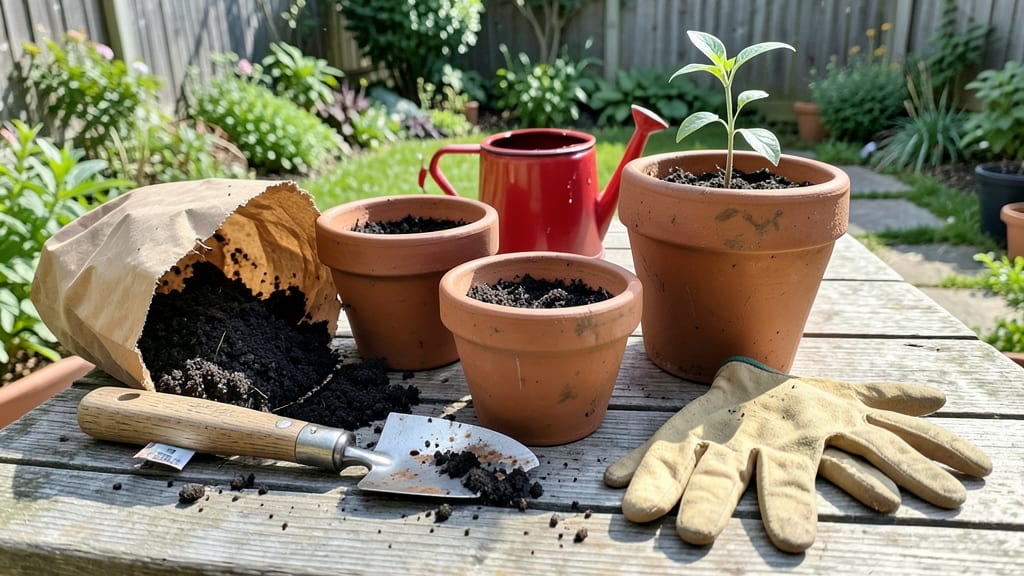
Gardeners swear by clay garden pots for their timeless beauty and breathable structure, but not all containers hold up to the test of time.
Your clay garden pots can last decades—or crumble in just a few seasons. The difference lies in how you choose, care for, and use them to protect your prized plants.
Thicker walls, strategic placement, and seasonal adjustments are the secrets to keeping terracotta and stoneware pots intact while they nurture your General Container Plants (🏺).
Below, I’ll show you how to pick unbreakable pots, pair them with the right plants, and extend their lifespan—so your garden stays as stunning as it is functional.
How to choose unbreakable clay pots for your garden
Clay pots bring timeless charm to any garden, but their durability often depends on the material type and construction quality. Unlike flimsy plastic containers, well-made clay pots can last for years—even decades—if you choose the right thickness and design features.
The key lies in understanding the differences between terracotta and stoneware, as well as how to spot structural strengths that prevent cracking.
Terracotta, the classic orange clay, is porous and breathable, making it ideal for drought-tolerant plants like lavender and rosemary. However, its thin walls can crack under extreme temperature shifts or when roots expand aggressively.
On the other hand, stoneware is fired at higher temperatures, creating a denser, less porous material that resists cracking better. Both have their place, but your choice should align with your climate and plant needs.
Here’s what to look for to ensure your clay pots stand the test of time—and seasons.
When shopping for clay pots, prioritize wall thickness. A pot with walls at least 1/2-inch thick will handle moisture fluctuations and root pressure better than thinner options. Look for handmade or artisanal pots, which often have thicker, more durable walls than mass-produced alternatives.
Additionally, choose pots with rounded bottoms and slightly tapered sides, as these designs distribute weight more evenly and reduce stress points where cracks often form.
Another critical feature is the rim thickness. A thick rim (at least 1/4-inch) prevents chipping and adds structural integrity. Avoid pots with sharp edges or thin rims, as these are prone to damage during handling or when plants brush against them.
For large pots over 12 inches in diameter, consider adding a saucer or tray to catch water and prevent soil erosion at the base, which can weaken the pot over time.
For outdoor use, opt for pots with glazed interiors. Glazing reduces water absorption, which helps prevent the pot from cracking due to freeze-thaw cycles in colder climates.
If you live in a region with freezing winters, store terracotta pots indoors or empty them and store them in a dry, sheltered place. Stoneware, however, can often stay outdoors year-round due to its higher frost resistance.
Finally, consider the plant’s root system when selecting pot size. Deep
5 Proven techniques to prevent clay pot cracking and breakage
Clay garden pots add rustic charm to any space, but their porous nature makes them prone to cracking—especially when exposed to extreme temperature shifts or moisture fluctuations. The good news?
With the right care, your terracotta containers can last for years. I’ve tested these five techniques in my own garden, and they’ve dramatically reduced breakage while keeping plants thriving.
First, understand that clay pots absorb water like a sponge, which means they expand when wet and contract when dry. This constant movement weakens the structure over time.
The key is to control moisture and protect against shock. Let’s dive into the strategies that work best, no matter your climate.
- Acclimate pots gradually to moisture changes. Never soak a dry pot or let it sit in standing water. Instead, water slowly and evenly to prevent sudden expansion.
- Use saucers or trays to catch excess water. Drain saucers after 30 minutes to avoid root rot and pot saturation, which weakens clay over time.
- Winterize pots before the first frost. Move them to a sheltered spot, wrap in bubble wrap, and cover with a breathable cloth to shield from freezing temps and thaw cycles.
- Avoid placing pots directly on concrete or asphalt, which conducts heat and cold. Use pot feet or wooden boards to insulate and reduce thermal shock.
- Choose thicker-walled pots for heavy plants like roses or citrus trees. Thicker clay handles weight and moisture better than thin, decorative options.
One of my biggest mistakes was ignoring the winter prep step—until I lost three of my favorite pots to freezing. Now, I always move them under a covered porch or garage before temperatures drop below 32°F. If you live in a freeze-thaw climate, this is non-negotiable.
For summer care, I’ve found that mulching the soil surface with straw or bark helps retain moisture while reducing the need for frequent watering. This cuts down on the rapid drying that causes clay to contract and crack. Plus, it keeps roots cooler during heatwaves.
If you notice hairline cracks on your pots, don’t toss them yet! Seal minor cracks with waterproof silicone or a mix of white glue and water (1:1 ratio) to temporarily reinforce them. Just avoid overwatering afterward, as sealed cracks can trap moisture and lead to root rot.
Finally, rotate your pots occasionally to ensure even sun exposure. Uneven drying can create weak spots, so a quick spin every few weeks keeps stress distributed. With these techniques, your clay pots will stay sturdy, stylish, and ready for your next gardening project! 🌱