
Fertilization
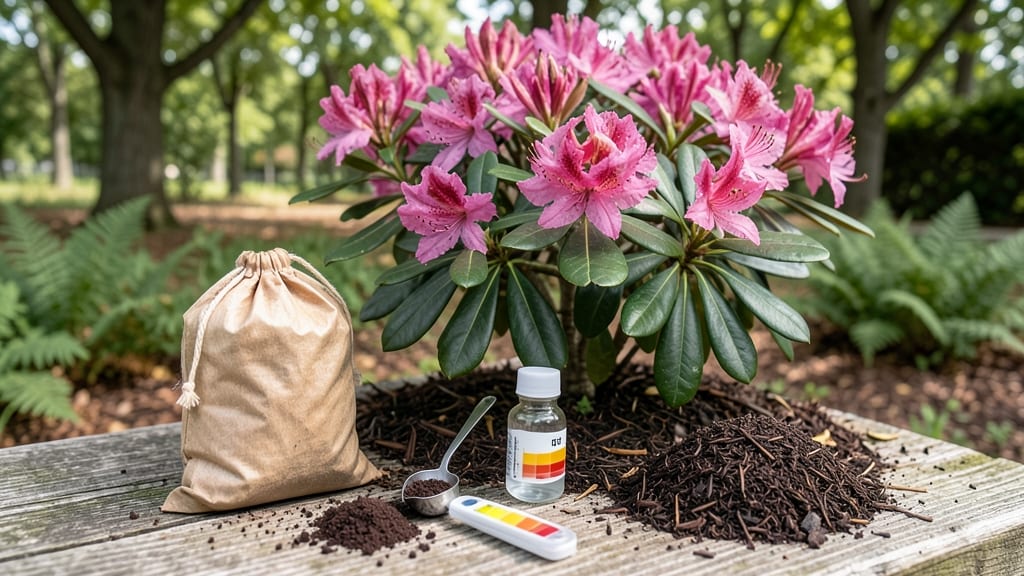
Using coffee grounds in garden enriches soil with nitrogen and organic matter, improving moisture retention while lowering pH for acid-loving plants like azaleas and blueberries. Spread sparingly to avoid over-acidifying or attracting pests.
Coffee grounds act as a natural fertilizer because they're packed with nitrogen—a key nutrient that helps plants grow lush leaves. 🌱 When mixed into soil, they also create tiny air pockets that improve drainage while holding moisture longer, which is especially helpful during dry spells.
The best part? They're completely free if you compost used grounds from your morning brew.
For gardeners with acid-loving plants, coffee grounds can be a game-changer. The slow breakdown of grounds gradually lowers soil pH, creating ideal conditions for blueberries, rhododendrons, and even tomatoes. Just remember: a little goes a long way—too much can make soil too acidic, harming other plants in your garden.
💡 In This Article
- How Coffee Grounds Improve Soil Health
- Best Plants That Thrive with Coffee Grounds
How coffee grounds improve soil health
Coffee grounds are a powerhouse of nutrients, containing roughly 2% nitrogen by weight—far more than many organic fertilizers. When they decompose, this nitrogen converts into ammonium (NH₄⁺), which plants can absorb directly or through microbial conversion into nitrate (NO₃⁻).
This process mimics the slow-release benefits of compost, feeding plants steadily over weeks rather than delivering a quick but short-lived nutrient spike. The grounds also introduce beneficial microbes that break down organic matter, creating a thriving soil ecosystem. 🌱
The texture of coffee grounds plays a crucial role too. Their coarse, granular structure improves soil aeration by creating tiny air pockets between soil particles, which enhances root respiration.
At the same time, their ability to hold 20-30% of their weight in water makes them excellent moisture retainers—critical during dry periods when plants struggle. This dual effect explains why gardeners often see healthier roots and better drought resistance in amended soil.
The organic matter also stimulates earthworm activity, which further aerates the soil and mixes nutrients deeper.
One of the most valuable effects is the gradual pH adjustment. Fresh coffee grounds have a pH of around 4.85-5.10, which is naturally acidic. As they decompose, they lower soil pH by releasing organic acids and chelating minerals like aluminum and iron.
This makes them ideal for acid-loving plants, but the effect is slow—typically taking 4-8 weeks to show measurable changes in soil chemistry. The key is balance: while they can reduce pH by 0.5-1.0 units over time, overapplication can create pockets of extreme acidity that harm beneficial microbes.
However, the benefits extend beyond nutrients. Coffee grounds contain chlorogenic acids and caffeic acids, which act as natural fungicides against pathogens like Fusarium and Pythium. This is why many gardeners use them as a mulch to prevent soil-borne diseases.
The caffeine content (about 0.5-1.5% by weight) is also a mild herbicide, suppressing weeds when used as a concentrated mulch layer. The combination of these chemical properties makes coffee grounds a multi-functional soil amendment.
For best results, mix grounds into the top 2-3 inches of soil rather than applying them directly to plant stems. This prevents mold growth from excess moisture retention against plant tissue.
The decomposition rate varies by climate—warmer soils break them down in 2-4 weeks, while cooler conditions may take 6-8 weeks. Regular applications of ½ cup per square yard every 4-6 weeks provide continuous benefits without over-acidifying the soil. 💛
What most people don't realize is that coffee grounds also improve soil structure by increasing cation exchange capacity (CEC). This means they help retain essential nutrients like calcium, magnesium, and potassium that would otherwise leach away.
The combination of nitrogen, improved water retention, and enhanced microbial activity creates a virtuous cycle that makes plants more resilient to environmental stresses. It's why professional gardeners often recommend them as part of a balanced organic fertilization program.