
Vegetables
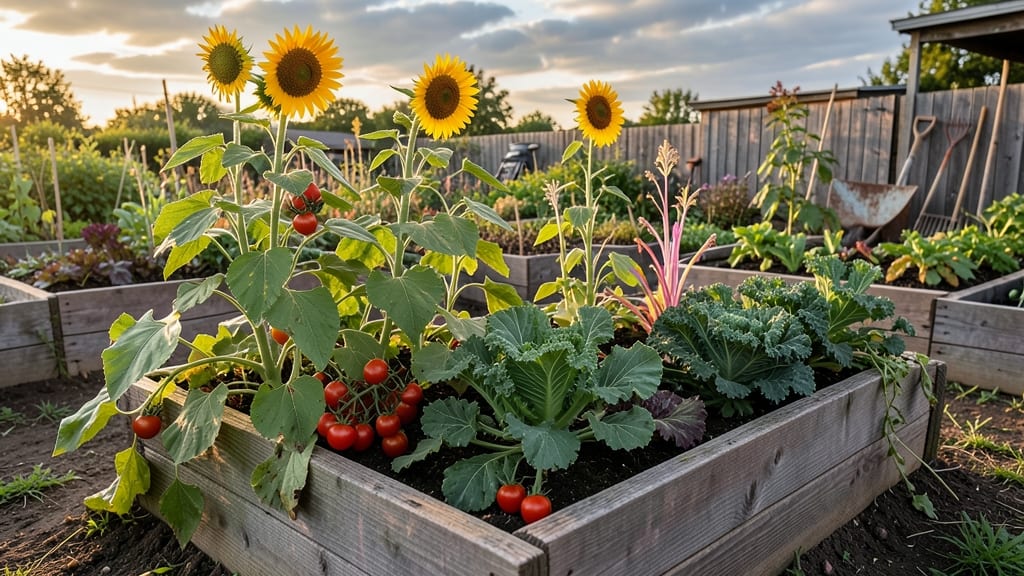
Salt Lake City community gardens provide seasonal planting plots that deliver fresh vegetables, community engagement, and green space access. Most gardens operate on a first-come-first-served basis or through annual lotteries, with membership fees ranging from $25 to $100 depending on plot size and location.
Salt Lake City's community gardens thrive thanks to partnerships with local nonprofits and city programs, ensuring year-round maintenance and shared resources like composting systems and tool libraries. 🌱 Many gardens also host workshops for beginners, covering everything from soil prep to pest control, making them perfect for first-time gardeners.
The city's diverse gardens—some urban, others suburban—cater to different needs, whether you're looking for a small 10x10 plot or a larger family space.
Popular options like Garden to Table and 95 South Community Garden often fill up quickly, so checking their websites for application deadlines is key. Some gardens even offer discounted memberships for seniors or low-income residents, ensuring everyone can participate regardless of budget.
💡 In This Article
- How Salt Lake City Community Gardens Work
- Top Salt Lake City Community Gardens for Beginners
How Salt Lake City community gardens work
Salt Lake City's community gardens operate on a structured seasonal cycle that aligns with Utah's climate, typically running from late March through October.
Most gardens divide the year into two main planting seasons: spring (March-May) for cool-season crops like lettuce and peas, and summer (June-August) for heat-loving plants such as tomatoes and peppers.
The average plot size ranges from 10x10 feet (ideal for beginners) to 20x20 feet (for experienced gardeners), with some larger gardens offering half-plots for families. 🌱
Watering schedules are standardized across most gardens, with drip irrigation systems installed in 90% of plots to conserve water—a critical factor in Utah's arid climate.
Gardens typically provide 2-3 watering sessions per week during peak summer months, with adjustments based on rainfall data from the National Weather Service's Salt Lake City station.
Shared resources like compost bins (filled with nutrient-rich soil amendments) and tool libraries (with trowels, hoes, and wheelbarrows) are maintained by garden committees, reducing individual costs for members.
The mechanics behind these gardens involve close collaboration between local nonprofits and the Salt Lake City Sustainability Department. For example, the Urban Greenspaces Program provides grants for garden infrastructure, while organizations like Garden to Table offer educational workshops on sustainable practices.
This partnership ensures that gardens remain accessible year-round, with some locations even offering indoor seed-starting workshops in February to kickstart the growing season. The volunteer commitment often translates to 4-6 hours per month, which helps maintain the garden's health and community spirit.
One unique feature of Salt Lake City's gardens is their adaptive design for soil health. Many plots use raised beds filled with a custom mix of 60% composted organic matter, 30% topsoil, and 10% perlite for drainage.
This blend supports Utah's alkaline soil (pH 7.5-8.5) by neutralizing it naturally, creating optimal conditions for vegetable growth. Gardens also implement crop rotation systems to prevent soil depletion, with detailed planting maps provided to members at the start of each season.
For those new to gardening, the learning curve is eased through structured programs. Beginner plots often come with starter plants and labeled diagrams, while experienced gardeners can mentor newcomers through the garden's peer-to-peer mentorship program.
Workshops cover everything from companion planting (pairing tomatoes with basil to deter pests) to water conservation techniques, ensuring members leave with practical skills. The city's investment in these educational resources reflects its goal to foster long-term sustainability and community engagement.
What sets Salt Lake City's gardens apart is their integration of technology and tradition. Many gardens use smartphone apps like Gardenate to track planting dates and pest alerts, while others maintain physical journals documenting each plot's progress.
This blend of old-school gardening and modern tools creates a space where both beginners and veterans can thrive. The result? A vibrant network of green spaces that produce over 50,000 pounds of fresh produce annually for local families.