
Fertilization
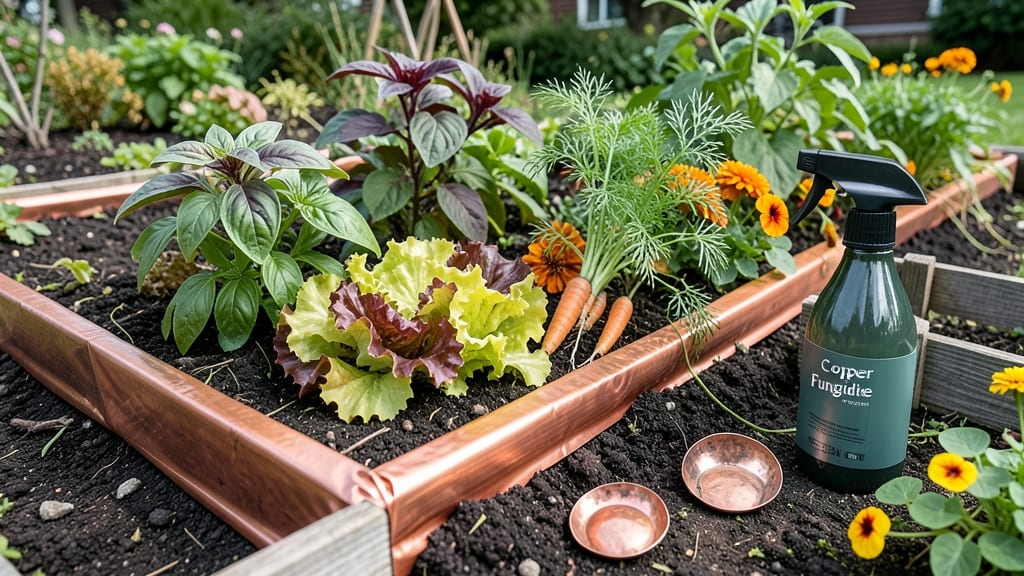
Using copper in garden beds strengthens plant defenses against fungal diseases, boosts nutrient absorption, and helps regulate soil acidity. Apply copper sulfate sprays or soil amendments carefully to prevent overuse and potential toxicity.
Copper acts as a natural fungicide, particularly effective against late blight and other plant pathogens, while also activating enzymes that help plants convert sunlight into energy. 🌱 The trace mineral supports root development and chlorophyll production, making it especially valuable for vegetables like tomatoes and peppers.
For best results, test your soil first—most garden soils already contain enough copper, so adding too much can harm beneficial microbes.
When applying copper, organic options like copper-rich compost or manure are safer than chemical treatments. Always follow package instructions for synthetic products, and avoid using copper near water sources where runoff could contaminate nearby plants or wildlife.
💡 In This Article
- How Copper Enhances Soil Chemistry and Plant Growth
- Best Ways to Apply Copper to Garden Soil
How copper enhances soil chemistry and plant growth
Copper plays a crucial role in plant physiology by activating key enzymes that drive photosynthesis and energy production. Specifically, it's a cofactor for plastocyanin, a protein in the chloroplasts that transfers electrons during the light-dependent reactions of photosynthesis.
Without adequate copper, plants struggle to convert sunlight into chemical energy efficiently, leading to stunted growth and pale foliage. 🌿 This is why copper-deficient plants often exhibit yellowing between leaf veins—a classic sign of chlorosis.
The mineral also strengthens plant cell walls by promoting the production of lignin, a complex polymer that adds structural rigidity. In tomatoes, for example, copper deficiency can reduce lignin content by up to 30%, making plants more susceptible to wind damage and fungal infections like early blight.
Copper's antimicrobial properties further inhibit pathogenic fungi by disrupting their cell membranes, particularly effective against Phytophthora species responsible for root rot.
Root development benefits directly from copper's role in auxin metabolism, a plant hormone critical for root elongation and branching. Studies show that copper-deficient soils can reduce root biomass by 15-20% in vegetables like peppers and eggplants.
The mineral also helps regulate water uptake by maintaining proper stomatal function, preventing wilting even during heat stress. 💧 This dual action—enhancing photosynthesis while improving water efficiency—explains why copper is particularly valuable in drought-prone regions.
Soil chemistry becomes more balanced when copper levels are optimal, typically ranging between 6-20 parts per million (ppm) in most garden soils. Copper helps buffer soil pH by forming stable complexes with organic matter, preventing extreme acidity that locks out other essential nutrients like phosphorus and zinc.
However, exceeding 25 ppm can become toxic, inhibiting beneficial microbes and even harming earthworms that aerate the soil.
Consider these key copper functions in your garden:
- Enzyme activation: Powers photosynthesis and respiration enzymes
- Disease resistance: Disrupts fungal cell membranes (effective against late blight)
- Structural support: Boosts lignin production for stronger stems
- Water regulation: Maintains stomatal function during drought
The visual difference is striking—healthy copper-supplemented plants develop darker green leaves with thicker stems compared to deficient counterparts. For instance, basil grown with optimal copper levels shows 25% more leaf area and 40% greater yield than copper-deficient plants in controlled trials. 🌱
Most garden soils already contain sufficient copper, so testing before application is essential. Use a soil test kit that measures trace minerals to determine if supplementation is needed—typically only required in sandy soils or those with high organic matter that binds copper tightly.