
Advice
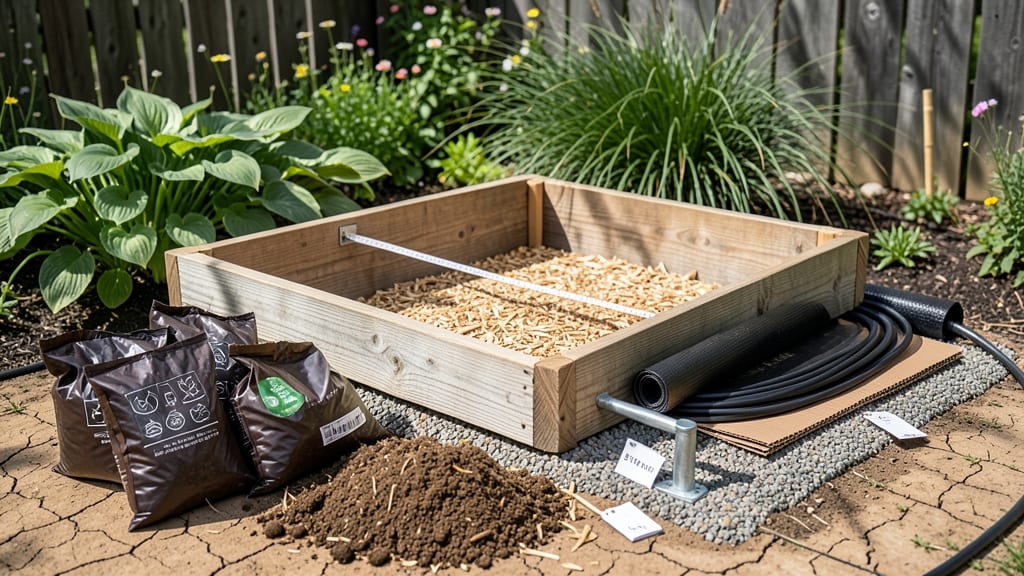
The cost of building a raised garden bed typically ranges from $100 to $500+, depending on materials: untreated cedar or redwood frames run $50–$200, while composite lumber or pre-cut kits cost $150–$500. Soil, hardware, and liner add $50–$150. Smaller beds (4x8 ft) are cheaper than larger (8x12 ft) designs.
The price varies widely based on whether you choose natural wood like cedar (which resists rot but costs more) or composite materials (more affordable but less eco-friendly). Hardware like screws and corner brackets can add $20–$50, while soil quality makes a big difference—premium mixes cost significantly more than basic topsoil. 💰 For example, a 4x4 ft cedar bed with 12" sides might cost around $200, while an 8x12 ft composite kit could reach $600.
Planning your bed size and material upfront helps avoid unexpected expenses.
Many first-time builders underestimate the cost of soil and liner, which can easily double the material budget. Pro tip: Check local suppliers for lumber deals or repurpose materials like cinder blocks to cut costs.
Even small adjustments—like choosing 2x6 lumber instead of 2x8—can save $50+ per bed. Always factor in delivery fees for soil if buying in bulk.
💡 In This Article
- Breaking Down Raised Garden Bed Material Costs by Type
- Ways to Cut Raised Garden Bed Costs Without Sacrificing Quality
Breaking down raised garden bed material costs by type
When comparing materials for a raised garden bed, the type of lumber you choose directly impacts both cost and durability. Untreated cedar and redwood are premium options because their natural oils resist rot and insects, but they cost more upfront.
A typical 4x8 ft cedar frame with 6-inch sides runs about $150–$200, while redwood—even more resistant—can push costs to $200–$250 for the same size. The reason? Cedar and redwood are harvested sustainably but require more processing to maintain their integrity over time.
For budget-conscious builders, composite lumber (made from recycled wood fibers and plastic) offers a practical alternative. A 4x8 ft composite frame costs roughly $100–$150, but it lacks the natural beauty of wood and may not last as long in extreme weather.
Pressure-treated pine is another affordable option at $50–$100 for the same dimensions, though it requires sealing to prevent chemical leaching into the soil. The trade-off? Pressure-treated wood can last 10–15 years with proper maintenance, while cedar or redwood may outlast it by 5–10 years without treatment.
Hardware costs often get overlooked but add up quickly. A set of galvanized screws (2–3 inches long) runs $10–$20, while corner brackets (for extra stability) cost $5–$15 each. For a 4x4 ft bed, you’ll need about 20–30 screws and 4 brackets, totaling $20–$50.
Skimping here can lead to wobbly beds or warping over time—especially if you’re using thinner lumber like 2x4s instead of 2x6s for taller sides.
Soil is another major cost factor, and the type you choose affects both price and plant growth. Basic topsoil costs $10–$20 per cubic yard, while premium garden mixes (with compost and nutrients) run $25–$50 per cubic yard.
A 4x8 ft bed filled to 12 inches needs about 1.5 cubic yards, so expect to pay $15–$75 just for soil. Adding a landscape fabric liner (to block weeds) adds $10–$20, but it extends the bed’s lifespan by reducing soil erosion and root competition.
Here’s a quick cost comparison for a 4x8 ft bed with 12-inch sides:
- Cedar frame: $150–$200 (long-lasting, natural resistance)
- Composite frame: $100–$150 (budget-friendly, less eco-friendly)
- Pressure-treated pine: $50–$100 (cheapest but needs sealing)
- Soil (topsoil): $15–$30 (basic but may need amendments)
- Soil (premium mix): $35–$75 (better for vegetables)
- Hardware (screws + brackets): $20–$50 (essential for stability)
For example, a 4x4 ft cedar bed with premium soil and hardware might total $250–$300, while a 8x12 ft composite kit could reach $400–$600 due to larger lumber requirements and more soil. Planning your bed’s dimensions and material upfront helps avoid costly last-minute upgrades! 🌱