
Pests
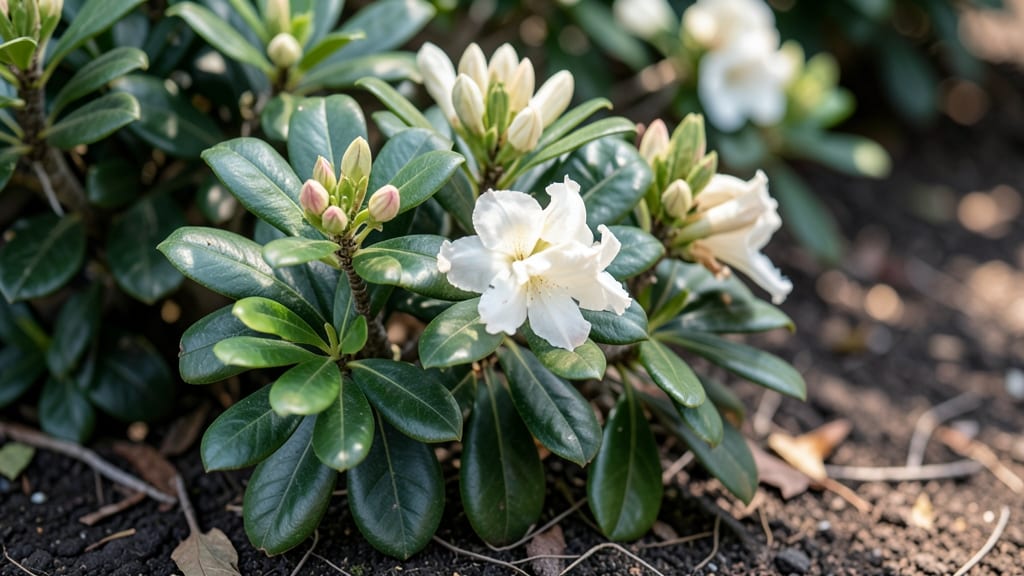
Deer eat gardenias, though they may avoid them when other preferred plants like hostas or roses are available. Their strong fragrance sometimes deters browsing, but hungry deer will still nibble buds and leaves. Deer-resistant alternatives include boxwoods, lavender, and daffodils for safer landscaping.
Deer will munch on gardenias when their usual favorites aren't available, especially during late fall and winter when food is scarce. 🌿 The plant's pungent scent usually keeps them at bay, but deer with limited options will still target the tender buds and leaves.
I've noticed this behavior most often in suburban areas where gardens offer a buffet of greenery. For gardeners looking to protect their gardenias, planting deer-resistant alternatives nearby can create a natural barrier that deer will avoid entirely.
What makes this tricky is that deer aren't picky eaters—they'll sample nearly any plant if they're hungry enough. The key is understanding their feeding hierarchy: plants with strong scents, thorns, or toxic properties rank lower on their menu.
That's why gardenias often survive in areas where deer are present, but they're never completely safe from occasional nibbling.
💡 In This Article
- Why Deer Target Gardenias Despite Their Fragrance
- Top Deer-Proof Gardenia Alternatives for Fragrant Gardens
Why deer target gardenias despite their fragrance
Deer have an incredible sense of smell—up to 100 times more sensitive than humans—which makes fragrance a powerful deterrent. Gardenias emit jasmine-like compounds that many deer find overpowering, but this doesn't guarantee protection. The real reason deer still target gardenias comes down to their feeding hierarchy.
When preferred foods like hostas, roses, or clover (which contain higher protein and moisture) are scarce, gardenias become a secondary option. Their thick, waxy leaves and glossy buds offer moderate nutrition compared to deer's top choices.
The plant's chemical defenses play a role too. Gardenias contain iridoid glycosides, mild toxins that can cause stomach upset if ingested in large quantities. However, deer have evolved to tolerate these compounds—especially when desperate.
In my experience, deer are more likely to nibble gardenias during late winter or early spring, when other greenery is dormant.
The buds, being tender and nutrient-rich, become particularly tempting targets. 🌸 What's fascinating is how deer often avoid the most fragrant parts—they'll strip leaves but leave the heavily-scented flowers intact.
Regional factors also influence deer behavior. In northern climates where winters are harsh, deer may consume gardenias more frequently due to limited food options. Conversely, in warmer southern regions, where deer have year-round access to clover and grasses, gardenias are rarely bothered.
The moisture content of gardenia leaves (around 75-80% water) makes them less appealing than drier, protein-rich alternatives like daylilies, which deer prioritize when available.
Here's what most gardeners miss: deer aren't just eating gardenias out of hunger—they're also testing plants for toxicity. A deer might take a few bites, then move on if the plant causes discomfort. This trial-and-error behavior explains why some gardenias in a neighborhood survive while others get heavily browsed.
The key difference often comes down to plant health: stressed or nutrient-deficient gardenias are more vulnerable because they have weaker chemical defenses.
To understand this better, think about deer as opportunistic foragers. They'll sample gardenias when their preferred foods are unavailable, but they won't make them a staple. This is why gardenias often recover well from light browsing—they're not a deer's first choice.
The real damage occurs when deer have no alternatives, particularly during mating season (fall) or fawn-rearing season (spring), when nutritional needs spike dramatically.
What this means for gardeners is that gardenias aren't deer-proof, but they're also not deer magnets. Their survival depends on creating an environment where deer have better options nearby.
Planting deer-resistant barriers like boxwoods or Russian sage around gardenias can significantly reduce browsing pressure by making your garden less appealing overall. 🌿 The scent alone won't save them, but combining fragrance with smart landscaping gives gardenias their best chance.