
Vegetables
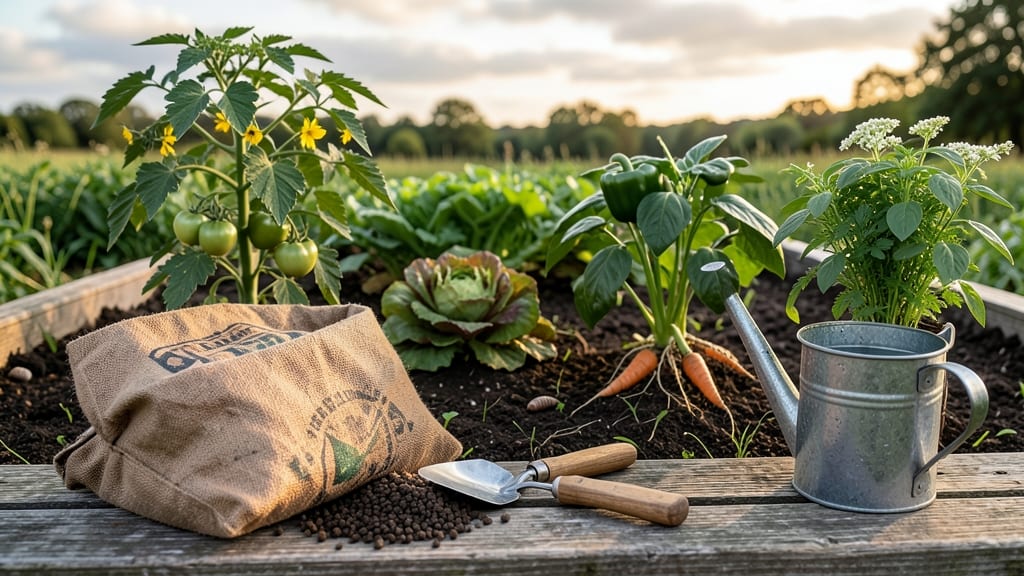
You need fertilizer for a vegetable garden only if your soil lacks essential nutrients, as healthy soil naturally supports plant growth. Test soil first—amend with compost or organic fertilizers if deficient, but avoid over-fertilizing, which harms plants and the environment.
Most backyard vegetable gardens thrive without extra fertilizer when the soil is rich in organic matter. 🌱 Healthy soil naturally contains the nitrogen, phosphorus, and potassium your plants need, especially if you've been adding compost or aged manure regularly.
I've found that many gardeners overlook the soil's existing fertility, assuming they must fertilize when their plants actually just need better soil structure or a balanced pH. The key is testing first—simple DIY kits can reveal whether your soil is truly deficient or just needs a boost of microbial activity through natural amendments.
For example, leafy greens like spinach and lettuce often signal nutrient needs by turning yellow between veins, while fruiting plants like tomatoes may show stunted growth.
Instead of reaching for synthetic fertilizers, try working in a 2-3 inch layer of compost or using cover crops like clover to replenish nitrogen naturally. Over-fertilizing can actually burn roots and attract pests, so less is often more when it comes to feeding your vegetable patch.
💡 In This Article
- How to Test and Improve Your Vegetable Garden Soil Naturally
- Best Organic Fertilizers for Vegetable Gardens and When to Apply Them
How to test and improve your vegetable garden soil naturally
Soil health is the foundation of any thriving vegetable garden, and understanding your soil's current state is the first step before considering fertilizer. Healthy soil contains a complex ecosystem of microbes, fungi, and organic matter that naturally provide nutrients through decomposition.
These microbes break down organic materials into forms plants can absorb, like nitrogen from composted leaves or phosphorus from bone meal.
A simple way to assess your soil is through visual inspection: dark, crumbly soil with earthworms is a good sign, while compacted, grayish soil signals poor structure and potential nutrient deficiencies.
For a more precise evaluation, DIY soil tests are both affordable and effective. pH test strips (available for $5-$10) reveal whether your soil is too acidic (pH below 6.0) or alkaline (pH above 7.5), which affects nutrient availability.
Most vegetables prefer a slightly acidic to neutral range (pH 6.0-7.0). For example, tomatoes thrive at pH 6.2-6.8, while carrots prefer pH 5.5-6.8. If your soil is too acidic, adding crushed limestone (1-2 pounds per 100 square feet) can raise the pH gradually.
For alkaline soil, sulfur or peat moss helps lower it.
Instead of relying on synthetic fertilizers, organic amendments like compost, aged manure, or cover crops can rebuild soil fertility naturally. Compost adds 1-3% organic matter to soil, improving water retention and microbial activity. For nitrogen-loving plants like corn or leafy greens, mix in 1-2 inches of compost before planting.
Cover crops such as clover or vetch fix nitrogen in the soil when tilled in before the growing season. This method not only reduces the need for fertilizer but also enhances soil structure over time, making it more resilient to drought and erosion.
Another often-overlooked technique is the "lasagna gardening" method, where layers of organic materials like newspaper, straw, and kitchen scraps are added to create nutrient-rich soil. This approach mimics natural decomposition processes and can transform poor soil into fertile ground within 3-6 months.
The key is patience—healthy soil isn't built overnight but through consistent, organic additions. For instance, adding a 1-inch layer of compost every season can maintain soil fertility without the need for additional fertilizers.
If you're still unsure whether your soil needs fertilizer, observe your plants for signs of deficiency. Yellowing leaves between veins often indicate nitrogen deficiency, while purple stems or leaves suggest a lack of phosphorus.
In such cases, targeted organic fertilizers like blood meal (10-12% nitrogen) or bone meal (3-4% phosphorus) can address specific needs without overloading the soil. Always apply these in small amounts—1-2 tablespoons per plant—and water thoroughly to prevent burning roots.