
Tools
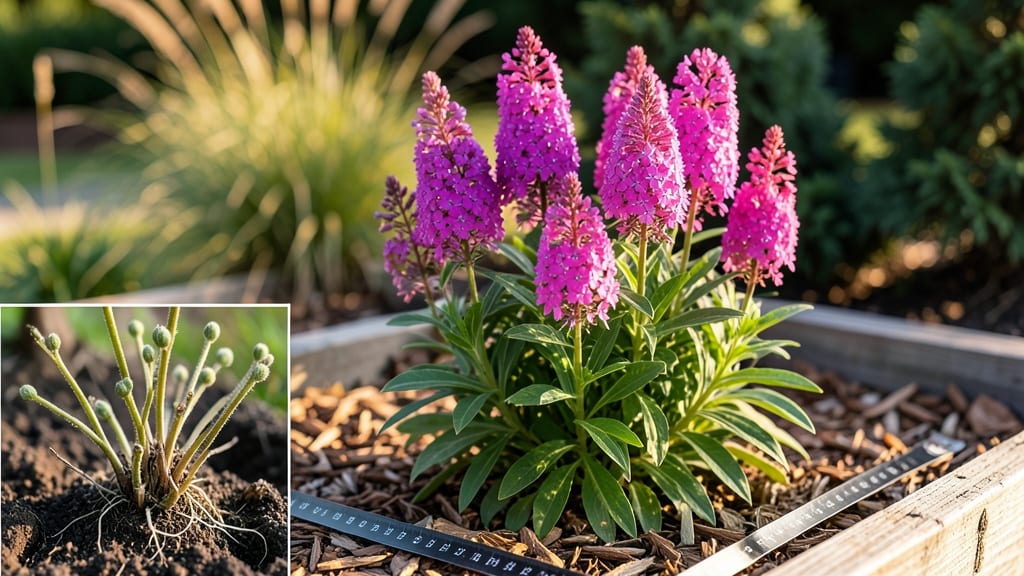
Garden phlox spreads slowly through underground rhizomes and self-seeding, creating dense clusters over time. While most varieties remain well-behaved, they typically need dividing every 3–5 years to maintain vigor and prevent overcrowding in garden spaces.
Garden phlox's spreading habit comes from two main sources: rhizomes—those horizontal underground stems—and its tendency to drop seeds. 🌸 The rhizomes create new shoots at their nodes, gradually expanding outward, while self-seeding spreads the plant through airborne seeds.
Some varieties, like tall garden phlox, spread more aggressively than others, so choosing the right type for your space matters. The good news? This slow growth gives you plenty of time to manage it before it becomes a problem.
To keep phlox in check, I recommend dividing clumps in early spring or fall when the plant is dormant. Simply dig up the root ball, separate the sections with a clean knife, and replant the healthiest pieces.
Regular pruning after blooming also helps control shape and encourages bushier growth. For gardeners with small spaces, opting for dwarf varieties can minimize spreading concerns while still delivering stunning summer blooms.
💡 In This Article
- How Garden Phlox Spreads: Rhizomes vs. Self-Seeding
- Controlling Garden Phlox Spread: Pruning and Division Tips
How garden phlox spreads: rhizomes vs. self-seeding
Garden phlox spreads primarily through two mechanisms: rhizomatous growth and self-seeding. The rhizomes—thick, horizontal underground stems—produce new shoots at their nodes, creating a gradual outward expansion. These rhizomes can grow 3-6 inches per year, depending on soil fertility and moisture.
For example, varieties like 'David' phlox spread more aggressively due to vigorous rhizome development, while dwarf types like 'Little Star' remain more compact.
The second spreading method is self-seeding, where phlox drops thousands of tiny seeds after flowering. These seeds often germinate in the surrounding area, creating new plants.
Unlike rhizomes, which spread underground, self-seeding occurs above ground, potentially scattering phlox into lawns or neighboring beds. 🌱 The trade-off is that self-seeding ensures phlox persists year after year with minimal effort, but it can also lead to unwanted proliferation if not managed.
Variety plays a key role in spreading behavior. Tall garden phlox (like 'Bright Eyes') spreads more through rhizomes, creating dense clumps, while shorter varieties (like 'Starfire') rely more on self-seeding.
The difference lies in their genetic growth habits—tall types prioritize underground expansion for structural support, while dwarf types focus on seed production for survival. This explains why some phlox varieties seem to "take over" while others stay neatly contained.
Soil conditions also influence spreading speed. Phlox thrives in well-draining, slightly acidic soil (pH 6.0-7.0), which encourages robust rhizome growth. In nutrient-rich soil, rhizomes can extend up to 12 inches per season, while poor soil slows expansion.
Moisture levels matter too—consistent dampness promotes rhizome elongation, while drought stress can stunt growth. Understanding these factors helps predict how quickly phlox will spread in your garden.
Here’s how the two methods compare in practice:
- Rhizomes: Spreads underground, creating dense clumps. Best controlled through division.
- Self-seeding: Spreads above ground, scattering new plants. Managed by deadheading spent blooms.
For gardeners, this means choosing the right variety for your space. If you have limited room, dwarf phlox with minimal rhizome growth is ideal. For larger beds, tall varieties offer dramatic blooms but require more frequent division to maintain order. 🌸