
Fertilization
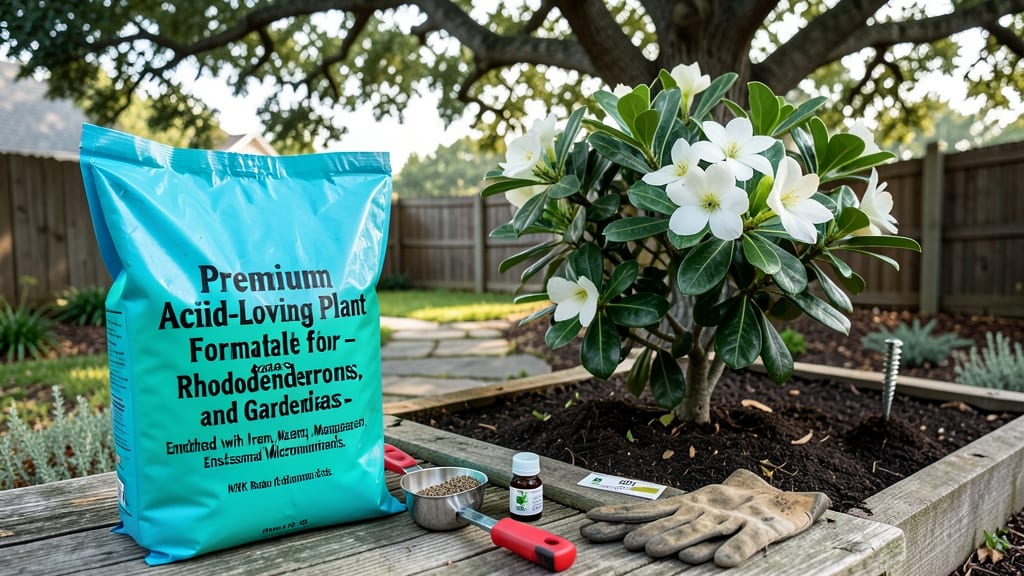
The right fertilizer for your gardenia tree 🌸 is the game-changer between a bush that blooms like a dream and one that wilts despite your best care.
Picture this: You’ve watered, pruned, and even babied your gardenia—yet it throws out sparse, weak blooms or worse, drops leaves like it’s shedding winter clothes. The culprit? Often, it’s not too little love, but the wrong kind of feeding.
Gardenias crave acidity and a precise balance of nutrients, and most store-bought fertilizers miss the mark.
In this guide, I’ll walk you through the best organic and synthetic options, the exact NPK ratios your gardenia needs, and a seasonal feeding schedule that keeps your plant thriving without burning its roots. No more guessing games—just vibrant blooms and lush foliage, year after year.
You’ll also learn how to spot over-fertilization (yes, it’s possible!) and what to do when your gardenia starts sending you SOS signals like yellow leaves or no flowers. Let’s get your gardenia tree back on track.

Best fertilizers for gardenia trees: organic vs. synthetic options for acid-loving soil
Your gardenia tree craves acidic soil with a pH between 5.0–6.5, but choosing the wrong fertilizer can turn its glossy leaves yellow or halt blooms entirely. The key lies in understanding organic vs. synthetic options—each has unique benefits for your acid-loving gardenia.
Organic fertilizers like blood meal or citrus bloom feed slowly, while synthetic blends deliver quick results but require careful balance to avoid salt buildup.
Gardenias reject alkaline fertilizers (like lime or bone meal) because they lock out essential nutrients like iron and manganese. Before applying anything, test your soil’s pH with a home kit or send a sample to your local cooperative extension.
If your soil tests above 6.5, amend it with elemental sulfur or peat moss before fertilizing. Now, let’s compare the best options to keep your gardenia thriving.
🌱 Pro Tip: Always water your gardenia deeply 24 hours before and after fertilizing to prevent root burn.
| Fertilizer Type | NPK Ratio | Application Rate | Best For | Frequency | Notes |
|---|---|---|---|---|---|
| Blood Meal (Organic) | 12-0-0 | 1 tbsp per plant | Nitrogen boost | Every 6 weeks | High nitrogen—use sparingly to avoid leafy growth over blooms |
| Citrus Bloom (Organic) | 5-7-4 | 1/2 cup per plant | Bloom stimulation | Every 4-6 weeks | Balanced for acid-loving plants; contains micronutrients |
| Iron Sulfate (Organic) | 0-0-0 (Iron) | 1 tsp per gallon of water | Chlorosis correction | As needed (spring/fall) | Lower pH while adding iron; use in foliar spray or soil drench |
| Azalea/Camellia Mix (Synthetic) | 8-3-9 | 1 tbsp per plant | Acid-loving plants | Every 4 weeks | Fast-acting; flush soil after 3 applications to prevent salt buildup |
| Fish Emulsion (Organic) | 5-1-1 | 1/4 cup per plant | General growth | Every 3-4 weeks | Rich in micronutrients; dilute to avoid root burn |
| Slow-Release Acid Granules (Synthetic) | 14-6-10 | 2 cups per 10 sq ft | Long-term feeding | Once in spring | Low-maintenance; lasts 3-4 months |
For organic gardeners, I recommend starting with citrus bloom or fish emulsion—both provide a balanced NPK ratio and micronutrients gardenias need. These options break down slowly, feeding roots over time without risking salt buildup.
If your gardenia shows signs of chlorosis (yellow leaves with green veins), switch to iron sulfate applied as a foliar spray or soil drench. Always mix it with water to avoid burning roots.
Synthetic fertilizers like azalea/camellia mixes are ideal for quick results, especially if your gardenia is lagging behind in blooms. However, they require regular flushing—every 3rd application—to prevent salt accumulation. To flush, water your gardenia with 2–3 gallons of plain water to leach excess salts from the root zone.
This is critical in container-grown gardenias, where salts can build up faster.
When to switch between organic and synthetic? If you’re using organic fertilizers and notice slow growth despite proper pH, try a synthetic boost in early spring. Conversely, if synthetic fertilizers cause leaf burn or root stress, transition to organic options like composted pine needles or worm castings.
Both provide acidity and nutrients without harsh chemicals.
🌿 Warning: Never use
Step-by-step gardenia fertilizing schedule: when, how much, and what to avoid
Your gardenia tree thrives on a precise feeding schedule that matches its natural growth cycles. Unlike many plants, gardenias demand acidic soil (pH 5.0–6.5) and react poorly to over-fertilization, which can scorch roots or delay blooms.
The key is feeding lightly in spring, maintaining nutrients in summer, and resting in fall/winter. Let’s break down the exact timing, amounts, and DIY organic options to keep your gardenia blooming year after year.
Most gardeners make two critical mistakes: either over-fertilizing in summer (which causes leaf burn) or skipping spring feeding (which stunts blooms). The solution? A seasonal approach with monthly adjustments based on your gardenia’s growth stage.
We’ll cover everything—from synthetic blends to homemade fertilizers—plus how to flush soil safely if you’ve overdone it.
- 1 January–February (Dormancy): Skip fertilizer. Focus on watering deeply (1–2 gallons) every 3–4 days. Test soil pH—aim for 5.0–6.5. If too alkaline, amend with sulfur or peat moss.
- 2 March (Early Spring): Apply 1/2 cup acid fertilizer (6-6-6 or 8-3-9 NPK) or 1 tbsp coffee grounds mixed into topsoil. Water thoroughly to activate nutrients. Repeat in April if new growth appears.
- 3 May–June (Blooming Season): Switch to light feeding every 6 weeks. Use fish emulsion (1 tbsp per gallon of water) or pine needle mulch around the base. Avoid high-nitrogen fertilizers—they promote leaves over blooms.
- 4 July–August (Peak Growth): Reduce feeding to every 8 weeks. If leaves yellow, flush soil with 5 gallons of water to remove salt buildup. Add 1 inch of compost around the base in late July to replenish nutrients.
- 5 September–November (Dormancy Prep): Stop fertilizing entirely. Prune dead blooms and leggy branches to encourage next year’s growth. Mulch with pine straw to maintain soil acidity.
- 6 December (Winter Rest): Protect from frost if in USDA Zone 8 or below. Water sparingly (every 2–3 weeks) and avoid fertilizers. This is the only month you can safely use lime-free compost if soil tests too acidic.
For DIY organic fertilizers, try these gardenia-approved recipes: Mix 1 tbsp coffee grounds with 1 gallon of water and let steep for 24 hours before watering.
Or, spread crushed pine needles around the base—they slowly release acidity. Both options are cheaper than synthetic blends and mimic the plant’s natural habitat.
Watch for these red flags: Brown leaf tips mean over-fertilization—flush soil immediately. Yellow leaves could signal iron deficiency (add chelated iron) or alkaline soil (lower pH with sulfur).
If blooms drop prematurely, your gardenia needs more phosphorus—switch to a bloom-boosting fertilizer (like 10-20-10 NPK) for 2 months.
Pro tip: Always water before fertilizing to prevent root burn. And if your gardenia is potted