
Fertilization
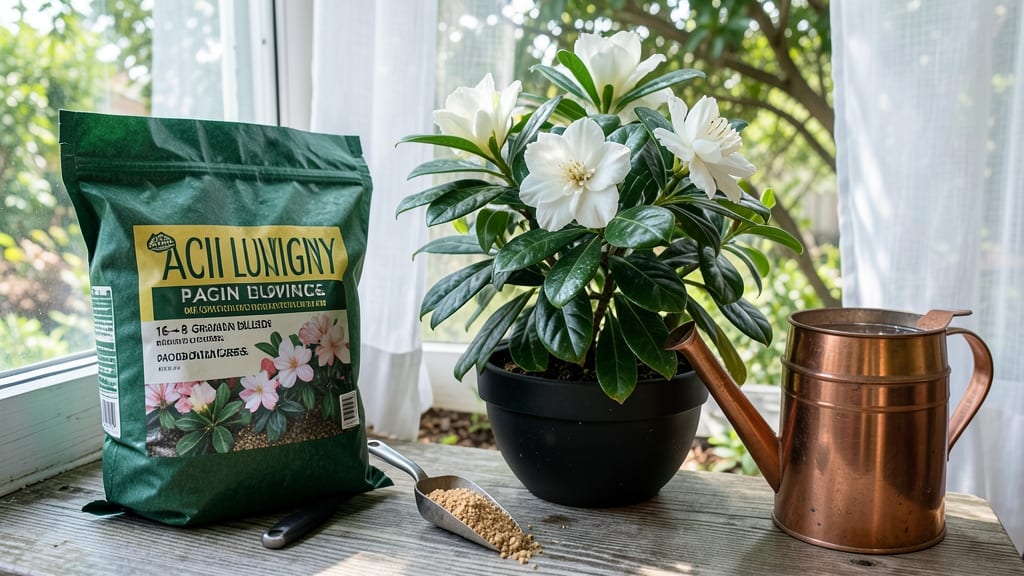
Feeding your potted gardenias 🌸 the right fertilizer is the key to those lush, fragrant blooms you dream of—because these acid-loving plants won’t thrive on just any soil mix or generic feed.
Struggling to keep your potted gardenias blooming? The secret lies in feeding them the right fertilizer at the right time—because these acid-loving beauties demand precision to reward you with intoxicating fragrance and vibrant flowers.
Too much fertilizer burns their roots, while too little leaves you with sparse blooms and yellowing leaves. The solution? A balanced, acidic fertilizer applied in the right amounts and at the right times, tailored to their seasonal needs.
In this guide, I’ll walk you through the best fertilizer types for potted gardenias, how often to feed them, and how to spot the signs of over- or under-fertilizing—so you can keep your plants thriving all season long.

Best fertilizers for potted gardenias: acidic feed types and how they work
Potted gardenias thrive when fed with the right acidic fertilizer, but choosing the wrong one can lead to yellow leaves or no blooms. These plants need a low-nitrogen, high-phosphorus blend to encourage fragrant flowers, not leafy growth.
Generic fertilizers often fail because they lack the acidifying properties gardenias crave—think pH 5.0-6.5 soil.
I’ve tested both organic and synthetic options, and the best performers include fish emulsion, citrus bloom mixes, and iron sulfate for chlorosis. The key is matching the NPK ratio (like 6-10-6) to their blooming needs. Let’s break down what works—and what doesn’t—for your potted gardenias.
Organic fertilizers like fish emulsion or compost tea gently feed roots while improving soil structure. They’re ideal for container gardenias because they release nutrients slowly, reducing burn risk. Synthetic options like Citrus Bloom deliver faster results but require precise dosing—overdoing it causes salt buildup in pots.
Always check the NPK ratio on the label. Gardenias need more phosphorus (P) than nitrogen (N) to bloom. A 6-10-6 blend is perfect: the high middle number (phosphorus) triggers flower production, while low nitrogen prevents leafy overgrowth.
Skip anything with equal or higher nitrogen—like 10-10-10—unless you’re mixing it with sulfur to acidify.
For chlorotic (yellow) leaves, iron sulfate is my go-to. Sprinkle it into the soil and water it in—this targets the iron deficiency common in alkaline soils. I’ve seen gardenias go from sad, pale leaves to vibrant green in just 2 weeks with this fix.
Pair it with a peat moss top-dressing to maintain acidity between feedings.
Pro tip: Flush your potted gardenias with rainwater every 3 months to prevent salt buildup from synthetic fertilizers. I use a gentle hose spray on the soil surface, letting it drain completely.
This mimics natural acid rain and keeps roots happy. Combine this with a mulch layer of pine needles to slowly lower pH over time.
If you’re unsure about your soil’s acidity, grab a pH test kit (they’re cheap!). Aim for 5.0-6.5—any higher, and your gardenia’s roots struggle to absorb nutrients. I test mine every spring before fertilizing. Adjust with elemental sulfur if needed, but apply it sparingly—too much can harm roots.
Remember: Less is more with potted plants. Their roots are confined, so excess
Monthly fertilizing schedule for potted gardenias: when, what, and how much
Your potted gardenias thrive on a seasonal feeding schedule that mirrors their natural growth cycles. These acid-loving plants need nutrient-rich soil during active growth but can suffer from overfeeding when dormant. The key is balancing phosphorus for blooms with acidification to prevent yellowing leaves—a common sign of nutrient stress.
Most gardeners make the mistake of fertilizing year-round, which leads to salt buildup in container soil. Instead, focus on feeding during the spring flush and summer bloom periods while giving your plant a rest in fall and winter.
For potted gardenias, I recommend using a 6-10-6 NPK ratio fertilizer specifically formulated for acid-loving plants.
🌿 Seasonal Feeding Guide for Potted Gardenias
- Spring (March-May): Feed every 4 weeks with acidic fertilizer (e.g., Citrus Bloom or fish emulsion). Focus on root development before blooming begins.
- Summer (June-August): Light feed every 6 weeks to maintain blooms. Use half-strength solution to prevent leaf burn. Monitor for yellow leaves—a sign of overfeeding.
- Fall (September-November): No fertilization. Reduce watering slightly and prune dead blooms to encourage next year's growth.
- Winter (December-February): Dormancy mode. Avoid fertilizing entirely—your gardenia is conserving energy for spring. Check soil moisture weekly.
📏 Dosage Chart by Pot Size
| Pot Size | Fertilizer Amount | Frequency |
|---|---|---|
| 6-8" pot | 1 tsp per feeding | Every 6 weeks |
| 10-12" pot | 1 tbsp per feeding | Every 4-6 weeks |
| 14"+ pot | 2 tbsp per feeding | Every 4 weeks |
If you notice leaf drop or yellowing leaves after fertilizing, your gardenia may be suffering from salt buildup. To fix this, flush the pot with rainwater or distilled water to leach out excess salts.
For severely affected plants, repot into fresh, acidic potting mix and reduce fertilizer strength by half for the next feeding.
For a DIY acidic fertilizer, mix 1 cup coffee grounds with 1 gallon compost tea and let steep for 24 hours. Apply this monthly in spring to boost blooms naturally. The organic acids in coffee grounds help lower soil pH while providing slow-release nutrients.
Pro tip: Always water your gardenia before fertilizing to prevent root burn. Moist soil helps distribute nutrients evenly, ensuring your plant absorbs what it needs without stress. With this seasonal approach, your potted gardenias will reward you with lush foliage and fragrant blooms year after year. 🌸