
Planting
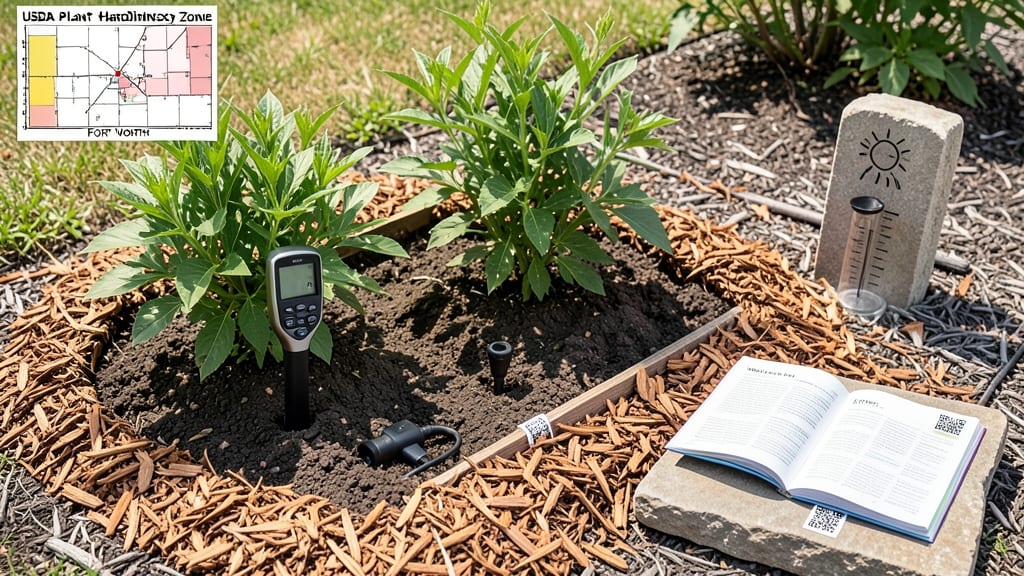
Fort Worth gardening falls under USDA Hardiness Zone 8a, with average minimum temperatures between 10°F and 15°F (-12°C to -9°C), allowing year-round growth for many plants and seasonal adjustments for frost-sensitive varieties.
This classification means you can grow a wide range of plants year-round, from drought-resistant succulents to citrus trees in sheltered spots. 🌿 The key is understanding how temperature fluctuations—like sudden cold snaps—can stress plants, especially those new to your garden.
I’ve found that native Texas species like blackfoot daisies and Texas sage thrive here with minimal intervention, while tropical plants need extra protection during winter.
Urban microclimates play a huge role too—concrete areas stay warmer at night, while green spaces cool down faster. If you’re planting near buildings or pavement, opt for heat-tolerant varieties like lantana or zinnia, which handle the extra warmth better than delicate annuals.
💡 In This Article
- Understanding Fort Worth’s USDA Zone 8a Climate and Microclimates
- Best Plants for Fort Worth Gardens by Season
Understanding Fort Worth’s USDA Zone 8a climate and microclimates
Fort Worth’s classification as USDA Zone 8a stems from its average annual minimum temperatures, which hover between 10°F and 15°F (-12°C to -9°C). This range creates a unique growing environment where frost-sensitive plants can often survive winters, but with critical exceptions.
The city’s 150-180 frost-free days per year (depending on location) allow for extended growing seasons, especially in microclimates that trap heat—like urban areas with concrete or buildings. These structures absorb and radiate warmth at night, creating pockets where temperatures can be 5-10°F warmer than in open green spaces.
The heat tolerance factor is equally important. Summers in Fort Worth regularly hit 95°F+ (35°C+), with humidity levels that can push heat indexes to 110°F (43°C).
This means plants must handle both extreme heat and occasional cold snaps, which can drop temperatures suddenly—even in Zone 8a. For example, a late-spring frost in April (28°F/-2°C) can devastate tender perennials like hibiscus or bougainvillea if not protected.
The key is selecting plants with adaptable root systems or using mulch to insulate soil temperatures.
Microclimates in Fort Worth are shaped by topography and urban development. South-facing walls or rooftops can be 10-15°F warmer than shaded areas, while low-lying spots near creeks may experience earlier frosts due to cold air settling.
I’ve noticed that native Texas yaupon holly thrives in these varied conditions, while camellias (a Zone 7-9 plant) often struggle unless planted in sheltered microclimates. Testing soil pH and drainage is also critical—Fort Worth’s clay-heavy soil can become waterlogged in winter, suffocating roots of heat-loving plants like oleanders.
Seasonal transitions are where Fort Worth gardeners must be strategic. Spring arrives with rapid temperature swings, so I recommend planting cool-season crops (like kale) in early March, then transitioning to heat-tolerant varieties (such as okra) by mid-April.
The city’s average last frost date is March 15, but urban areas can push this back by 1-2 weeks. Conversely, the first frost typically hits November 15-30, but tropical plants in containers can be moved indoors or under eaves to extend their season.
One often-overlooked factor is wind exposure. Fort Worth’s prevailing southwesterly winds can dry out plants quickly, especially in exposed beds. Windbreaks like privet hedges or native cedar screens create microclimates that reduce evaporation by 30-50%.
For example, a rosemary bush planted against a brick wall will flourish year-round, while one in an open bed may struggle through winter. This is why native species like Texas ranger (a type of leucophyllum) are ideal—they’ve evolved to handle these exact conditions.
For those new to Fort Worth gardening, start with low-water, heat-tolerant plants like desert marigold or autumn sage, which thrive in 100°F+ (38°C+) heat with minimal care.
These plants demonstrate how Zone 8a’s climate can be leveraged: they bloom prolifically in summer, survive light frosts, and require less than 1 inch of water per week once established. The lesson? Microclimates aren’t just about temperature—they’re about understanding how your garden’s specific conditions interact with plant biology.