
Vegetables
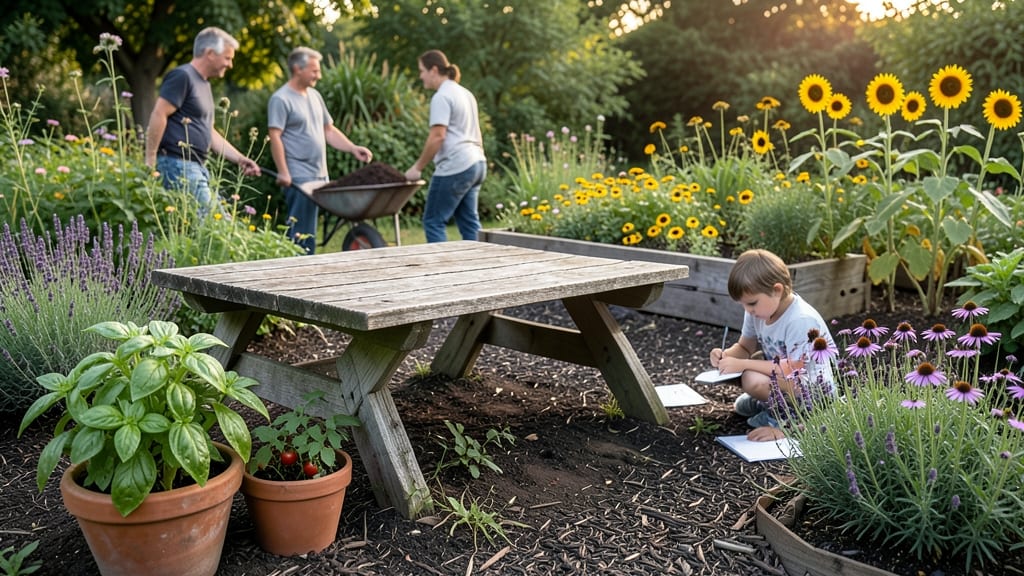
Friends of the Gardens dishes celebrate Southern gardening traditions through hearty vegetable stews and casseroles made with seasonal produce like okra, collards, and tomatoes, embodying community and agricultural heritage.
This dish isn't just about ingredients—it's a living testament to Southern hospitality. 💫 The name itself reflects how gardens were (and still are) the heart of rural communities, where neighbors shared harvests and recipes.
Many families passed down heirloom seeds and cooking techniques, ensuring each potluck dish told a story of the land.
What's fascinating is how these recipes adapt: what might be a simple okra stew in one region transforms into a tomato pie in another, all while keeping that core spirit of generosity alive.
For modern cooks, the key is sourcing fresh, local produce—whether from your own garden or a farmers' market. 🌱 The flavors develop richer when ingredients are harvested at peak ripeness, just as they would have been in the South's agricultural past.
I always recommend starting with a small batch of collard greens or a classic tomato casserole to experience the magic firsthand.
💡 In This Article
- How Southern Gardens Shape 'Friends of the Gardens' Recipes
- Hosting a Southern Potluck: Authentic 'Friends of the Gardens' Dishes to Prepare
How Southern gardens shape 'Friends of the gardens' recipes
The foundation of these dishes lies in the South's historic gardening practices, where families cultivated heirloom varieties like Georgia collards and Cherokee purple tomatoes that developed unique flavors through generations.
These plants weren't just food sources—they were living connections to the land. 🌱 For example, okra's slimy texture when cooked comes from its high mucilage content (about 10% of its dry weight), which thickens stews naturally—something Southern cooks learned to embrace rather than fight.
The same goes for Southern peas (cowpeas), whose tough skins require long simmering to soften, creating that signature creamy texture.
Heirloom seeds played a crucial role in preserving these flavors. Unlike modern hybrids, heirlooms maintain genetic diversity, often resulting in more complex taste profiles. A Brandywine tomato, for instance, contains 20-30% more sugar than commercial varieties due to its slower growth cycle.
This natural sweetness becomes the backbone of dishes like tomato pie, where the fruit's acidity balances the buttery crust. 🍅 The gardening traditions also dictated what grew best in the region's climate—okra thrived in the heat, while collards withstood cooler seasons, creating a natural rotation of ingredients that shaped these recipes.
Historically, these dishes emerged from sharecropping communities where gardens were both sustenance and social currency. Families would trade produce at "greens meetings"—informal gatherings where neighbors swapped vegetables, recipes, and stories.
This communal approach explains why 'Friends of the Gardens' dishes often include multiple vegetables in one pot, like the classic combination of collards, okra, and tomatoes. The cooking process itself became a communal activity, with large cast-iron pots passed between households, ensuring everyone had enough to share.
What's remarkable about these recipes is how they reflect the region's geography. Coastal areas leaned toward seafood-infused greens, while inland communities focused on corn and squash.
Even the cooking methods adapted—slow-cooked dishes in 10-inch cast-iron skillets became standard because they distributed heat evenly over long periods, essential for tenderizing tough vegetables. The science behind this is simple: prolonged cooking at 300-350°F breaks down pectin in cell walls, transforming fibrous greens into silky textures.
For modern cooks, the challenge lies in recreating that authentic flavor without access to heirloom seeds. The solution? Focus on cooking techniques that enhance natural flavors.
For instance, blanching collards for 3 minutes before cooking removes bitterness, while adding a splash of apple cider vinegar (about 1 tablespoon per pound) mimics the acidity found in properly ripened heirloom tomatoes. These small adjustments can make all the difference in capturing that true Southern garden essence.
The real magic happens when you understand these dishes as living traditions. Each recipe carries the weight of history—from the seeds planted by enslaved Africans who brought okra from West Africa to the sharecroppers who perfected collard greens.
That's why these dishes taste different in every Southern household: they're not just meals, but stories passed down through generations. 💫