
Tools
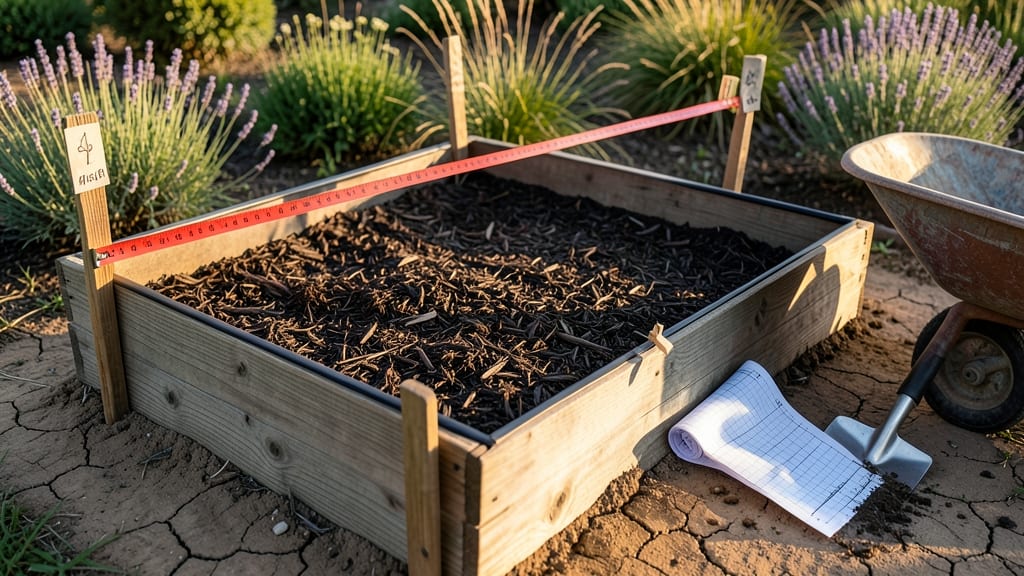
Determining garden bed measurements is essential for creating functional spaces where plants thrive. Standard garden bed sizes typically range from 4 feet wide for easy reach to 12 feet long, with soil depths of 6-12 inches for optimal root development. Most raised beds follow 4x8-foot dimensions, while in-ground beds can vary based on available space and plant types like vegetables or flowers.
Choosing the right dimensions affects everything from how easily you can tend to your plants to how well they grow.
A 4-foot width lets you reach the center without stepping into the bed, reducing soil compaction. Depth matters too: deeper beds (12 inches) support root crops like carrots, while shallower ones (6 inches) work for leafy greens.
I’ve found that longer beds (8-12 feet) maximize space efficiency, but narrower ones (3-4 feet) are ideal for small yards or container gardening. 🌱
For customization, think about your plants’ needs—tomatoes need 3 feet of spacing, while herbs thrive in 1-foot squares. Urban gardeners often opt for modular designs with removable panels, making it easy to adjust sizes as their space evolves.
Whether you’re working with a raised bed or in-ground plot, balancing reach, drainage, and plant requirements will help you create a thriving garden tailored to your unique setup.
💡 In This Article
- Why Garden Bed Dimensions Matter for Plant Health
- Customizing Garden Bed Sizes for Different Plants
Why garden bed dimensions matter for plant health
The width of your garden bed directly impacts how comfortably you can tend to your plants. A 4-foot width is the gold standard because it allows you to reach the center from either side without stepping into the bed, which prevents soil compaction—a silent killer of plant roots.
When soil gets compacted, water and air can't penetrate properly, leading to stunted growth or even root rot. Imagine trying to reach the middle of a 6-foot-wide bed: you'd have to step in, crushing the soil structure and making weeds thrive in the disturbed earth. 🌱
Depth plays an equally critical role in root development. Most vegetables and flowers thrive in 6-12 inches of soil, but the exact depth depends on what you're growing.
Root crops like carrots or potatoes need that full 12-inch depth to develop properly, while shallow-rooted plants such as lettuce or herbs can thrive in just 6 inches.
Raised beds often use 10-12 inches of soil because they allow you to control the mix and avoid the poor-quality subsoil found in many in-ground plots. This controlled depth also improves drainage, preventing waterlogged roots that suffocate plants.
Size influences more than just reachability—it affects soil quality and weed control too. Larger beds (8-12 feet long) maintain more consistent soil moisture and temperature because they have less edge exposure to sun and wind.
Smaller beds (3-4 feet) dry out faster and may require more frequent watering. The shape also matters: rectangular beds maximize space efficiency, while curved or spiral designs can create microclimates that benefit certain plants.
For example, taller plants like corn or sunflowers benefit from being placed along the north side of a bed to avoid shading shorter companions. 🌿
Ergonomics can't be overlooked either. Bending over a 12-inch-deep bed for hours can strain your back, while a 4-foot-wide bed at waist height reduces physical stress. Many gardeners use 2-3 foot high raised beds to eliminate bending entirely. This height also improves drainage and warms the soil faster in spring.
The trade-off? Deeper beds require more soil mix, which can be costly. For budget-conscious gardeners, a 6-inch-deep bed with a mix of compost and native soil often works well for leafy greens and herbs.
Drainage is another dimension where size makes a difference. In-ground beds with poor soil naturally drain slower, which is why raised beds are popular—they allow you to amend the soil with sand or perlite if needed.
A 4x8-foot raised bed with 12-inch sides will drain significantly better than a flat in-ground plot, especially in clay-heavy soils. For urban gardeners, this means fewer soggy roots and healthier plants, even in small spaces.
The key is balancing depth with your local climate: in dry areas, deeper beds help retain moisture, while in rainy regions, raised beds prevent waterlogging. 💧
Weed control is the final piece of the puzzle. Wider beds (4 feet) allow you to mulch effectively, smothering weeds before they sprout. Narrower beds (2-3 feet) may require more frequent weeding but are easier to manage in tight spaces.
The solution? Divide larger beds into sections with pathways—this keeps weeds contained and makes maintenance more efficient. For example, a 4x8-foot bed with two 2-foot-wide pathways in the middle creates four 2x4-foot planting zones, each easy to access and maintain.
Ultimately, the right dimensions create a garden that works with your body and your plants' needs. Whether you're growing vegetables, flowers, or herbs, prioritizing reachable widths, adequate depth, and smart drainage will set you up for success.
Start with a 4x8-foot raised bed as your baseline, then adjust based on your specific plants and space. The goal? A garden that's as easy to care for as it is beautiful. ✨