
Tools
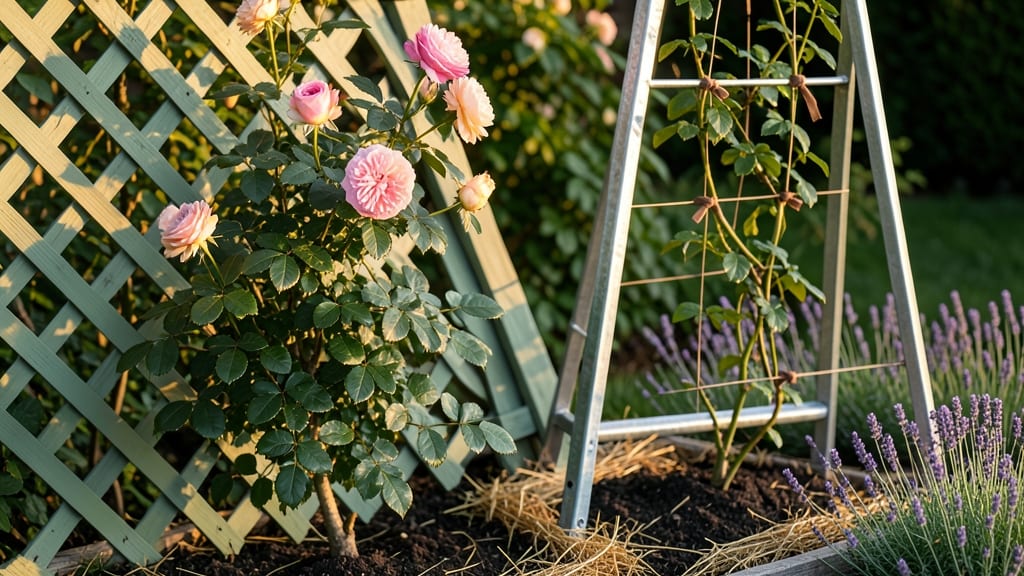
Transforming your garden bed with trellis ideas for climbing plants like the 🌿 Clematis Vine can turn flat spaces into vertical masterpieces—think lush, cascading greenery without sacrificing a single square foot.
Picture this: a wooden arbor draped in roses or a sleek metal lattice guiding cucumbers upward, all while saving space and boosting your garden’s productivity. The right trellis doesn’t just support plants—it elevates your garden’s design, making every inch work harder.
Whether you’re working with a small balcony or a sprawling backyard, the perfect trellis can be as simple as repurposed bamboo stakes or as bold as a custom metal frame.
We’ll explore 12 space-saving designs, from teepees for beans to obelisks for climbing roses, so you can pick what fits your style and your plants’ needs.
Ready to grow upward? Discover how to choose materials, build your own trellis, and pair it with the perfect climbing companions for a garden that’s both beautiful and highly functional.
12 Space-saving garden bed trellis designs for climbing plants
Transforming your small garden space into a lush vertical paradise starts with the right trellis design. Whether you're growing heavy vines like clematis or lightweight beans and cucumbers, the perfect trellis maximizes growth while saving square footage.
These 12 space-saving designs blend functionality with aesthetics, ensuring your climbing plants thrive without overwhelming your layout.
From elegant arbors that frame garden entrances to compact teepees perfect for corner plots, each trellis style offers unique benefits. I’ve curated options for different plant types, garden sizes, and design preferences—whether you prefer rustic wood, sleek metal, or natural bamboo.
Let’s explore how to choose the ideal trellis to elevate your garden’s vertical potential.
🌱 Comparison Table: Trellis Designs for Climbing Plants
| Trellis Type | Best For | Height Range | Material Options | Space Saved |
|---|---|---|---|---|
| Arbor Gate | Roses, clematis, wisteria | 6-10 ft | Wood, metal, lattice | Up to 50% |
| Teepee Frame | Pole beans, peas, morning glories | 4-8 ft | Bamboo, PVC, rebar | Up to 60% |
| Obelisk Trellis | Cucumbers, squash, grapes | 5-12 ft | Metal, wood, plastic | Up to 40% |
| Lattice Panels | Climbing roses, jasmine, ivy | 3-6 ft | Wood, vinyl, wire mesh | Up to 70% |
| Spiral Trellis | Sweet peas, nasturtiums | 3-5 ft | Metal, plastic | Up to 55% |
| A-Frame Trellis | Pole beans, corn | 4-7 ft | Wood, metal rods | Up to 65% |
For heavy climbers like clematis, prioritize sturdy materials such as metal or thick wood. These plants can reach 10-20 feet, so opt for arbors or obelisks with reinforced bases.
In contrast, lightweight annual vines like morning glories thrive on bamboo teepees or spiral trellises, which require minimal support.
If your garden bed is narrow, consider vertical lattice panels that attach directly to fences or walls. These designs save up to 70% space while providing ample surface area for climbing roses or jasmine.
For corner plots, a teepee frame creates a focal point while training pole beans or peas upward—ideal for small-space gardens.
Don’t overlook DIY-friendly options like PVC obelisks or rebar teepees, which are budget-friendly and customizable. These materials are lightweight yet durable, perfect for seasonal plants that won’t overwhelm your trellis. For a permanent solution, invest in powder-coated metal arbors that resist rust and weathering.
Pro tip: Pair your trellis with companion plants at the base to hide the structure and add texture. For example, low-growing thyme or marigolds beneath a clematis arbor create a layered, professional look. This technique also improves soil health by reducing weeds and attracting beneficial insects.
When selecting a trellis, consider your plant’s growth habit. Twining vines like cucumbers need spiral or obelisk supports, while self-clinging plants like ivy adapt well to lattice panels.
Always install trellises before planting to avoid damaging roots later. For container gardens, choose freestanding trellises or attach lightweight frames to the pot’s sides.
For a modern twist,
How to choose the best trellis material and structure for your plants
Selecting the right trellis material isn’t just about aesthetics—it’s about matching your climbing plants’ needs with the perfect support. Heavy vines like clematis require sturdy structures, while lightweight morning glories can thrive on delicate bamboo.
Each material offers unique benefits, from rustic wood charm to modern metal durability. Let’s break down the pros and cons so you can make an informed choice that balances functionality and style.
Before diving into materials, consider your garden’s layout and the height requirements of your plants. A 6-foot clematis vine needs a tall, stable trellis, while a 3-foot cucumber plant might only require a mid-height lattice.
Think about weight capacity too—some materials sag under heavy blooms, while others remain rigid year after year. Your trellis should complement your garden’s design while providing the support your plants crave.
Trellis Material Comparison
Wood
- Pros: Natural look, customizable, eco-friendly
- Cons: Requires sealing, prone to rot, heavier
Best for: Rustic gardens, heavy vines like clematis
Metal
- Pros: Durable, lightweight, modern aesthetic
- Cons: Can get hot, may rust if untreated
Best for: Urban gardens, climbing roses
Plastic
- Pros: Lightweight, affordable, low maintenance
- Cons: Less sturdy, can look cheap
Best for: Budget-friendly projects, lightweight vines
Bamboo
- Pros: Eco-friendly, natural look, flexible
- Cons: Limited height, may degrade in wet climates
Best for: Tropical-themed gardens, small vines
For heavy climbers like clematis, I recommend wood or metal trellises. Wood offers a classic, sturdy option, especially if you seal it to prevent rot. Metal trellises, like those made from powder-coated steel, resist rust and can handle the weight of blooming vines without bending.
If you’re working with a smaller space or lighter plants like morning glories, bamboo or plastic trellises provide affordable, easy-to-install solutions.
Don’t overlook the structural design of your trellis. A teepee structure works well for bushy plants like beans, while an obelisk is ideal for climbing roses or cucumbers. For vertical gardens, lattice panels attached to fences or walls maximize space.
Consider the height of your plants—a 6-foot trellis is perfect for clematis, but a 3-foot lattice may suffice for peas or beans.
Durability is key, especially in harsh climates. If you live in a rainy area, opt for treated wood or metal to prevent warping or rust. For hot, dry climates, lightweight materials like plastic or bamboo won’t overheat like metal can.
Always check the weight capacity—some trellises sag under the weight of heavy blooms or fruit-laden vines. A sturdy base, like concrete footings for metal trellises, adds extra stability.
Finally, think about maintenance. Wood trellises need seasonal sealing, while metal may require occasional rust checks. Plastic and bamboo are nearly maintenance-free, making them great for low-effort gardens. Choose a material that fits your gardening lifestyle—whether you prefer hands-on projects or hassle-free solutions.