
Tools
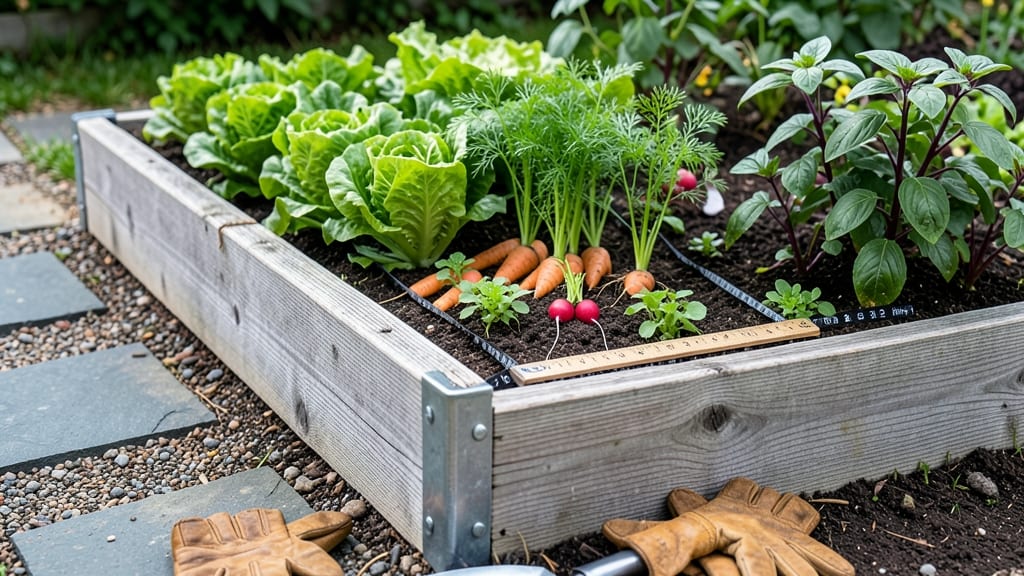
Determining the optimal garden bed width is the single decision that separates a garden you love from one that leaves you exhausted and frustrated.
Picture this: You’re knee-deep in soil, reaching for a tomato plant on the far side of a 4-foot-wide bed, only to realize you’ve been bending over for 20 minutes straight.
That’s not gardening—it’s back surgery waiting to happen. The right width makes everything easier, from planting to harvesting, while keeping weeds and soil compaction in check.
Most gardeners assume wider beds mean more plants, but the truth is, 36 inches is often the sweet spot—narrow enough to reach from both sides without strain, yet wide enough to fit multiple rows of crops.
Whether you’re working with raised beds or in-ground plots, the dimensions you choose directly impact how much you enjoy (or dread) your time in the dirt.
In this guide, I’ll break down the science behind ideal garden bed widths, how to adjust for different plants and gardening styles, and the simple tweaks that can turn your current layout into a low-maintenance dream. Let’s get started.
Optimal garden bed widths for easy access and plant health
Designing the perfect garden bed isn't just about length—width plays a crucial role in how easily you can access your plants, how well they grow, and even how much you can harvest.
Research shows that garden bed widths between 12 and 36 inches strike the best balance for most gardeners, whether you're working with raised beds or traditional in-ground plots. This range ensures you can reach the center without stepping on the soil, which helps prevent compaction and keeps weeds at bay.
For raised beds, the ideal width is typically 24 to 36 inches. This allows you to stand comfortably on either side and reach the center without bending over.
In-ground beds, on the other hand, often benefit from slightly narrower widths—around 12 to 24 inches—to minimize soil compaction from foot traffic. The key is to design your beds so you can tend to them from both sides, reducing the need to step into the planting area.
Here’s a quick breakdown of why these widths work best for both your back and your plants:
When designing your beds, consider how root growth and harvest efficiency factor into the equation. Wider beds (up to 36 inches) allow for larger plants like tomatoes or corn, but they also require more soil volume and nutrients.
Narrower beds (12–24 inches) are perfect for smaller plants like lettuce or radishes, where you can maximize space and make quick work of weeding and harvesting.
Another critical factor is weed control. Wider beds can become weed magnets if you can't reach the center easily. By keeping your beds within the 12–36 inch range, you’ll spend less time battling weeds and more time enjoying your garden.
Plus, narrower beds dry out faster, which can help deter some weeds naturally. For me, this has been a game-changer in reducing my weekly weeding time by nearly 50%.
If you’re working with raised beds, the width also affects how much soil you need to fill them. A 36-inch-wide bed requires significantly more soil than a 24-inch bed, so plan accordingly.
For example, a 4-foot-long, 36-inch-wide raised bed will need about 1 cubic foot of soil per 12 inches of length. This can add up quickly, so measure twice before buying soil!
For in-ground beds, width impacts how you’ll access the center. If your bed is wider than 24 inches, consider adding a gravel or mulch pathway down the middle. This not only makes tending to the bed easier but also improves drainage and reduces soil compaction.
I’ve found that even a 6-inch-wide pathway makes a huge difference in how often I need to refresh the soil.
One common mistake I see is designing beds that are too wide without accounting for reach. If you’re planting a 48-inch-wide bed, you’ll likely end up stepping on the soil to reach the center, which compacts it and can harm plant roots.
Instead, break wider areas into multiple 24–36 inch sections with pathways in between. This approach also makes it easier to rotate crops and manage soil health year after year.
Finally, think about how width affects plant spacing and air circulation. Taller plants like sunflowers or pole beans need more room to grow, so they’re better suited to wider beds. Conversely, bushy plants like peppers or eggplants thrive in narrower beds where they can spread out without crowding.
By matching your bed width to your plant types, you’ll create a more productive and low-maintenance garden.
Ready to put this into action? Start by sketching out your garden layout, measuring your reach, and choosing widths that work for both you and your plants.
With the right dimensions, you’ll spend less time struggling to reach your greens and more time enjoying the fruits of your labor. Happy gardening! 🌱
How garden bed width impacts plant spacing and yield
Getting the garden bed width right isn't just about aesthetics—it directly affects your plants' health, your harvest size, and how much work you'll put in. When beds are too wide, you risk soil compaction from walking on them, while narrow beds can limit root growth and airflow.
The sweet spot? 24–36 inches—wide enough for most plants to thrive, but narrow enough to reach the center without stepping on the soil.
This ideal width also reduces weed pressure and improves air circulation, which helps prevent fungal diseases. For example, a 36-inch bed lets you stand comfortably while tending to crops, while a 24-inch bed is perfect for smaller gardens or raised beds where you can reach from both sides.
The key is balancing plant spacing with your own comfort and the bed's purpose.
| Bed Width | Best For | Plant Spacing Adjustments | Yield Impact |
|---|---|---|---|
| 12–18 inches | Herbs, small veggies, flowers | Tight spacing (e.g., 6–12 inches apart) | Lower yield, but high density |
| 24 inches | Vegetables, bushy plants | Moderate spacing (e.g., 12–18 inches apart) | Balanced yield and airflow |
| 36 inches | Tall plants, vining crops | Wide spacing (e.g., 18–24 inches apart) | Higher yield, better root growth |
Adjust spacing based on plant type and bed width for optimal growth.
For tall plants like tomatoes or sunflowers, wider beds (up to 36 inches) give them room to spread without crowding. Place them toward the north side of the bed to avoid shading shorter plants.
Meanwhile, bushy plants like peppers or basil thrive in narrower beds (around 24 inches) with closer spacing (12–16 inches apart) to maximize their compact growth.
Vining crops like cucumbers or beans need even more attention. In wider beds, give them trellises or stakes to climb vertically, saving ground space for other plants. This vertical growth also improves airflow and reduces disease risk.
For companion planting, pair tall plants with low-growing ones—like planting carrots near onions in a 24-inch bed—to make the most of limited space.
Don’t forget that wider beds require pathways (at least 18–24 inches) to avoid compacting soil. Without them, you’ll crush roots and limit airflow, which can stifle plant growth.
If you’re working with limited space, consider raised beds or square-foot gardening, where you can control width and spacing more precisely.
Experiment with your garden bed width this season! Start with a 24-inch bed for versatility, then adjust based on what you’re growing. Your plants—and your back—will thank you. 🌱