
Picking
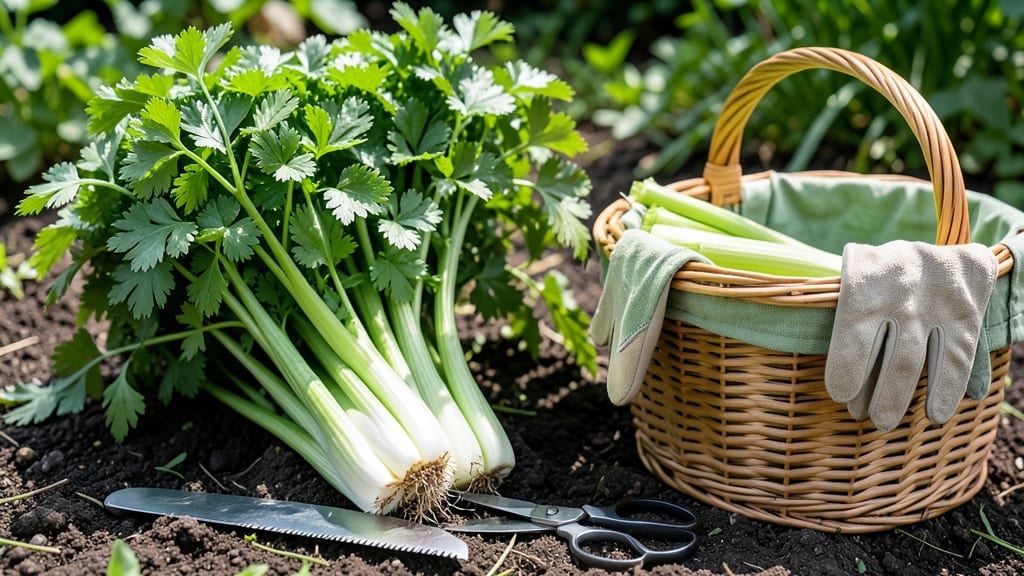
Harvesting garden celery at the right time means the difference between tender, crisp stalks and tough, woody disappointment—so knowing when to pull is the key to a successful harvest.
Picture this: you’ve nurtured your 🥬 plants all season, only to cut into a stalk that’s as hard as a baseball bat. That’s the frustration of harvesting too late, and it’s completely avoidable with the right cues.
The good news? Celery gives you clear signals when it’s ready—thick stalks, vibrant leaves, and a firm texture that’s impossible to miss.
In this guide, I’ll walk you through the three foolproof signs that your celery is primed for picking, plus the best techniques to avoid damaging future growth.
Whether you’re a first-time gardener or a seasoned green thumb, these tips will help you maximize your yield and enjoy homegrown celery that’s sweeter and fresher than anything from the store.
Ready to transform your garden into a crunchy, flavorful harvest? Let’s dive into the exact moment your celery is begging to be picked—and how to keep the cycle going for a second (or third!) cutting.


3 Clear signs your garden celery is ready for harvest
Harvesting garden celery at the right moment transforms your efforts into crisp, flavorful stalks instead of tough, fibrous disappointment. The key lies in recognizing three unmistakable visual and tactile cues that signal peak readiness.
Ignoring these signs often leads to woody stems or premature bolting—so let’s dive into what your celery is truly telling you.
First, pay attention to the stem thickness of your celery plants. When the stalks reach about half an inch in diameter (or thicker), that’s your first green light. Thin stalks—under one-quarter inch—are still immature and lack the satisfying crunch we crave.
This thickness ensures the plant has stored enough nutrients for that signature crisp texture we all love.
Next, examine the leaf health and color. Mature celery leaves should be a vibrant, deep green with no yellowing or browning edges. Wilted or discolored leaves suggest stress, often from overmaturity or inconsistent watering.
Healthy leaves also indicate the plant is photosynthesizing efficiently, which directly impacts the quality of the stalks below.
Finally, check the base color of the celery stalks. At harvest time, the bottom of the stalks should transition from white or pale green to a slightly darker shade. This color change signals the plant has shifted resources from growth to storage, locking in flavor and texture.
If the base remains entirely green, the stalks are still growing and may taste bland.
🌱 3 Expert-Backed Signs Your Celery Is Ready
- 📏 Stem Thickness: Stalks reach 1/2 inch or thicker (use a ruler for precision). Thin stalks (<1/4 inch) are underripe.
- 🌿 Leaf Condition: Leaves are dark green, crisp, and free of yellow/brown spots. Wilting or discoloration means stress.
- 🎨 Base Color: Bottom of stalks turns white/pale green (not fully green). Pure green = still growing; white = ready!
⚠️ Pro Tip: Squeeze a stalk—if it feels firm and solid, it’s harvest-ready. Hollow or spongy stalks are overripe.
Many gardeners make the mistake of harvesting celery too early, assuming bigger is always better. But overmature celery loses its crunch, becoming tough and pithy. The sweet spot is when the plant has developed thick stalks but hasn’t yet sent up flower stalks—a sure sign it’s past its prime.
Watch for bolting (tall flower stems) as a warning that your window for harvest is closing.
For the most accurate timing, combine these visual cues with the 120-160 day growth window typical for most celery varieties. Count from seedling transplant (not germination) to ensure you’re not guessing. Pro growers often mark their plants with small flags at the 120-day mark to stay on track.
One common misconception is that celery must be harvested all at once. In reality, you can cut individual stalks as they reach maturity, leaving the rest to grow.
This method extends your harvest window by weeks, especially in warm climates. Just avoid cutting more than one-third of the stalks at once to prevent stressing the plant.
If your celery shows signs of readiness but the weather is forecasted to turn hot or dry, harvest immediately. Heat stress causes stalks to toughen rapidly, while drought leads to bitter flavors. Prioritize harvesting during cool mornings when stalks are at their crispest and most flavorful.
Once you’ve confirmed all three signs—thick stalks, healthy leaves, and the right base color—grab your pruners and cut the stalks about 1 inch above the soil line. This leaves enough foliage to support regrowth, giving you a second harvest in just a few weeks if conditions are right.
Remember, the goal is crisp, flavorful celery, not just any celery. By mastering these three signs, you’ll transform your garden into a year-round supplier of restaurant-quality stalks—no grocery store in sight! 🥬
How to harvest celery without damaging future growth
Harvesting celery the right way ensures you get crisp, flavorful stalks while keeping your plant healthy for future regrowth. The key lies in precise cutting techniques and understanding when to harvest. If you cut too early or too late, you risk tough, bitter stalks or stunted plants.
Start by selecting the thickest, firmest stalks—these are ready for harvest while leaving thinner ones to mature. Use a sharp knife or pruning shears to make clean cuts, avoiding jagged edges that invite disease. The goal is to preserve the plant’s ability to regrow for a second harvest.
Never pull the entire plant from the ground. Instead, cut the stalks about 1 inch above the base to leave the root intact. This allows the plant to regenerate new growth, extending your harvest season. If you remove the root, you’ll lose the plant and its future yield.
⚠️ Common Mistakes That Ruin Your Celery Harvest
- Cutting too close to the base: Leaves 1 inch of stem to prevent rot and encourage regrowth.
- Using dull tools: Jagged cuts invite pests and disease.
- Harvesting in extreme heat: Celery wilts faster when cut during peak sun—do it in the morning for crispness.
- Ignoring leaf health: Yellow or wilted leaves signal stress; wait until foliage is dark green and vibrant.
After harvesting, store your celery properly to maintain crispness. Wrap the stalks in a damp paper towel, place them in a plastic bag, and refrigerate. This method keeps celery fresh for up to 2 weeks while retaining its crunch. For long-term storage, consider blanching and freezing the stalks.
To encourage regrowth, water your celery plant deeply after harvesting and apply a light fertilizer (like compost tea) to replenish nutrients. Mulch around the base to retain moisture and protect the roots.
With proper care, your celery plant may produce a second harvest in 4-6 weeks, depending on your climate.
If your celery starts to bolt (send up flower stalks), it’s past its prime for harvesting. Bolted celery becomes bitter and woody, so always harvest before flowering begins. By following these steps, you’ll enjoy a steady supply of homegrown celery all season long.